When sourcing products from China to Australia, understanding shipping time is critical for inventory planning, customer satisfaction, and business continuity. Whether you're an e-commerce seller preparing for a seasonal sales peak or an industrial importer coordinating just-in-time delivery, transit time directly impacts your bottom line. This guide examines the factors that influence China to Australia shipping time, compares the major shipping methods, and explains how experienced logistics partners minimize delays.
Understanding the China-Australia Trade Corridor
The China-Australia shipping route is one of the busiest trade lanes in the Asia-Pacific region. Major departure ports in China include Guangzhou, Shenzhen, Hong Kong, Ningbo, Shanghai, Qingdao, and Tianjin, while primary Australian destinations are Sydney, Melbourne, Brisbane, Adelaide, Fremantle, Darwin, and Cairns. The physical distance, combined with customs procedures in both countries, creates a multi-stage timeline that importers must manage carefully.
Shipping time is not simply the number of days a vessel or aircraft is in transit. It encompasses the entire door-to-door cycle: domestic pickup in China, export customs clearance, international transport, import customs clearance in Australia, and final delivery to the consignee. Each stage introduces variables that can either streamline or delay the overall timeline.
Sea Freight Shipping Time: FCL and LCL
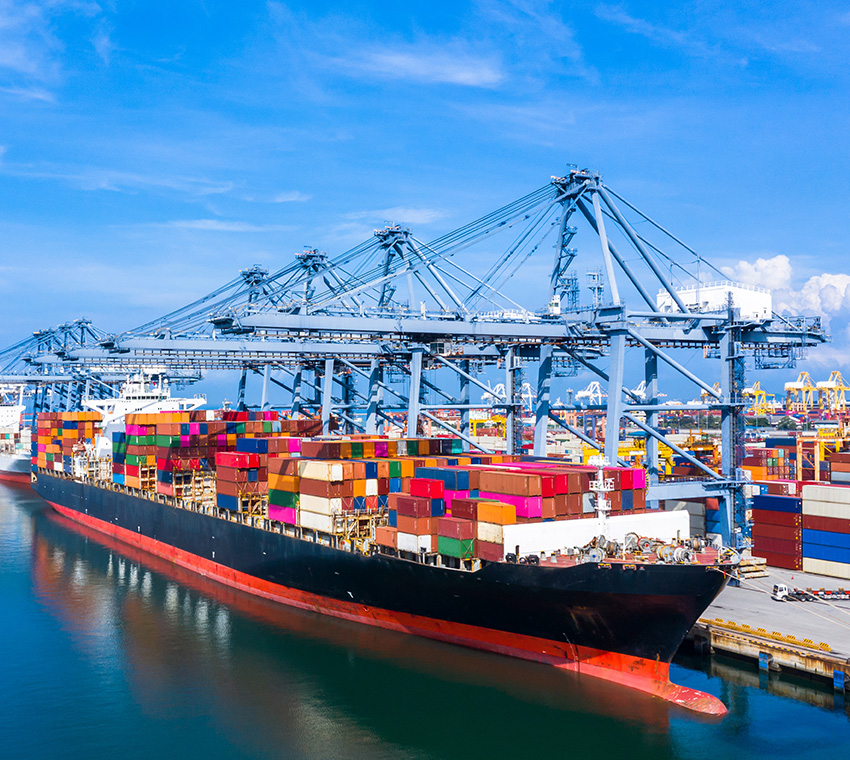
Ocean freight remains the most cost-effective method for moving large volumes from China to Australia. Full Container Load (FCL) shipments, where the importer books an entire 20ft or 40ft container, typically enjoy faster and more predictable schedules than Less than Container Load (LCL) shipments, which share container space with other consignments.
For FCL shipments, port-to-port transit time generally ranges from 10 to 18 days, depending on the specific port pair and shipping line. Direct sailings from Shenzhen or Guangzhou to Sydney or Melbourne can be completed in as little as 10 to 14 days, while routes involving transshipment or secondary ports may extend to 16 to 18 days. Door-to-door timelines for FCL shipments usually span 18 to 25 days when factoring in domestic trucking at both ends and customs clearance.
LCL shipments require additional consolidation and deconsolidation steps, which add time to the overall schedule. Freight forwarders collect cargo from multiple shippers, consolidate the goods into a single container at a Chinese warehouse, and then deconsolidate upon arrival in Australia for individual delivery. This process typically extends total door-to-door transit time to 20 to 30 days. However, forwarders that operate regular weekly consolidation cycles—such as fixed loading days every Tuesday and Friday—can offer more stable and predictable LCL schedules, reducing the risk of prolonged waiting periods.
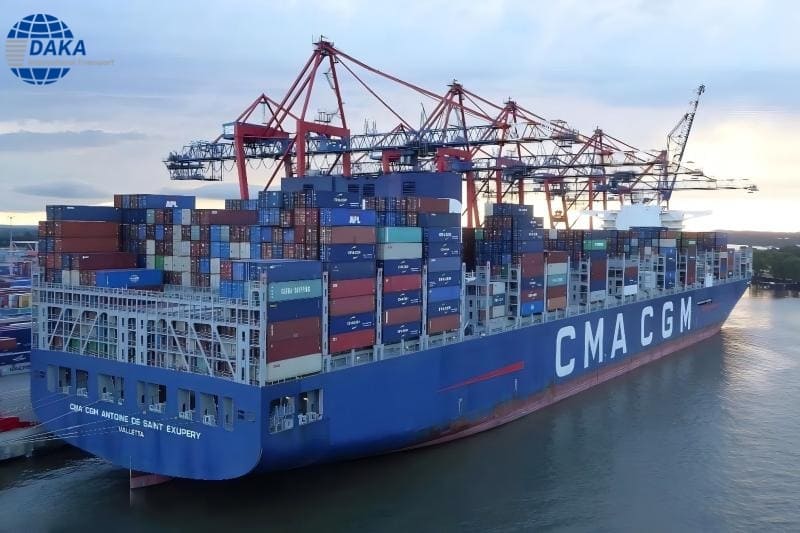
Shipping lines play a crucial role in maintaining reliable schedules. Established carriers including COSCO, MSC, Maersk (MSK), Yang Ming (YML), Evergreen (EMC), and OOCL operate frequent services on the China-Australia route. Direct partnerships with these vessel owners enable priority space allocation, even during peak shipping seasons when capacity is tight. Importers working with forwarders that have contracted rates and guaranteed space are less likely to experience rolled bookings or unexpected delays.
Air Freight Shipping Time: Speed with Trade-Offs
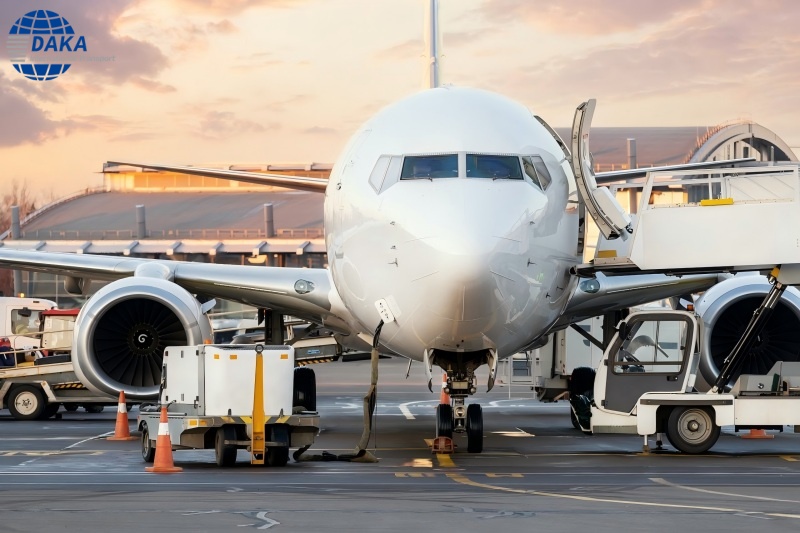
Air freight is the preferred option when speed is paramount. Airline services from major Chinese airports—Guangzhou, Shenzhen, Hong Kong, Shanghai, Qingdao, and Beijing—to Australian hubs such as Sydney, Melbourne, Brisbane, Adelaide, and Perth offer significantly shorter transit times than ocean freight.
Airport-to-airport air freight typically takes 3 to 5 days, though this can vary based on flight frequency, routing, and customs processing speed. Door-to-door air shipments, including domestic pickup in China and final delivery in Australia, generally require 5 to 10 days in total. For urgent bulk cargo exceeding 200 kilograms, booking directly with airlines such as Air China (CA), China Southern (CZ), China Eastern (MU), or Singapore Airlines (SQ) provides the fastest and most reliable service.
Express courier services—DHL, FedEx, UPS, and TNT—are ideal for smaller, time-sensitive shipments under 100 kilograms. These services offer door-to-door delivery in as little as 3 to 7 days, with integrated customs clearance and real-time tracking. However, express shipping costs are substantially higher on a per-kilogram basis, making this option best suited for samples, prototypes, or low-volume urgent orders.
One often-overlooked factor in air freight timing is airport storage fees. If customs clearance is not completed swiftly, cargo can accrue costly storage charges at both departure and arrival airports. Experienced freight forwarders expedite document preparation and clearance procedures to ensure goods are released before these fees accumulate, preserving both speed and cost efficiency.
Customs Clearance: The Hidden Variable in Shipping Time
Customs procedures in both China and Australia represent one of the most significant—and often underestimated—factors affecting total shipping time. Even if a vessel or flight arrives on schedule, delays in customs clearance can add days or even weeks to the delivery timeline.
On the Chinese export side, the process involves submitting electronic declarations through the China International Trade Single Window, providing commercial invoices, packing lists, certificates of origin, and in some cases, fumigation certificates for wooden packaging or biosecurity documentation. Shippers that leverage experienced customs brokers and pre-classification databases can significantly reduce inspection rates and clearance times.
Australian import clearance is managed through the Australian Border Force's Integrated Cargo System (ICS). Importers must lodge declarations, calculate duties and taxes, and provide any required permits or test reports—such as NATA-accredited lab certificates for sintered stone or construction materials. Familiarity with Australia's strict biosecurity rules, including requirements for Brown Marmorated Stink Bug (BMSB) treatment and wooden packaging fumigation, is essential to avoid detention or rejection of cargo.
Forwarders with licensed customs brokers in both countries and direct system integration with Chinese and Australian customs authorities can pre-lodge declarations, provide real-time status updates, and coordinate inspections efficiently. This dual-market clearance capability is a decisive advantage in maintaining predictable shipping timelines.
Seasonal and Operational Factors Affecting Shipping Time
Several external factors can compress or extend shipping time on the China-Australia route. Peak shipping seasons, including the lead-up to Australian summer holidays and Chinese New Year, often result in vessel rollovers, flight capacity shortages, and longer wait times for consolidated LCL shipments. Port congestion, labor strikes, and extreme weather events can also disrupt schedules unexpectedly.
Public holidays in both countries introduce additional timing considerations. Chinese New Year typically shuts down factories and logistics operations for one to two weeks, while Australian public holidays can delay customs processing and final delivery. Importers who plan shipments around these periods and work with forwarders that provide advance notice and alternative routing options can mitigate these risks.
Technology-driven visibility tools enhance control over shipping time. Real-time tracking systems that integrate GPS-enabled vehicles, airline APIs, and shipping line container status updates provide a single source of truth for shipment location and estimated arrival. Automated alerts for exceptions—such as customs holds, port delays, or delivery rescheduling—enable proactive intervention before minor issues escalate into major disruptions.
Optimizing Shipping Time with Strategic Planning
Reducing shipping time is not solely about choosing the fastest transport mode; it requires holistic supply chain planning. Consolidating products from multiple Chinese factories into a single container or air shipment eliminates the need for separate bookings and redundant customs procedures, compressing the overall timeline. Warehousing services in China allow importers to stage inventory, perform quality inspections, and coordinate loading schedules to align with vessel or flight departures.
On the Australian side, pre-arranging customs clearance documentation, coordinating consignee communication, and scheduling last-mile delivery with appropriate vehicle types—standard trucks, tail-lift vehicles, or HIAB cranes for heavy machinery—ensures that cargo moves seamlessly from port or airport to final destination without unnecessary storage delays.
Forwarders that operate extensive domestic networks in China—such as offices in Shenzhen, Guangzhou, Shanghai, Ningbo, and Qingdao—can offer faster pickup and consolidation services. Similarly, local warehousing and delivery teams in Sydney, Melbourne, Brisbane, Adelaide, and Fremantle enable responsive last-mile execution that shortens door-to-door timelines.

DAKA International Transport Company: Speed Through Expertise
Since its establishment in 2016, DAKA International Transport Company has specialized in China to Australia shipping by sea and air, handling more than 80,000 containers and serving over 5,000 Australian buyers. With 17 offices across China and a workforce of over 800 employees, DAKA combines scale, expertise, and technology to deliver predictable shipping times.
DAKA's direct partnerships with major shipping lines—COSCO, MSC, MSK, YML, EMC, and OOCL—and airline carriers including CA, CZ, MU, and SQ ensure priority space allocation and reliable schedules. The company's unified digital platform enables real-time booking, tracking, and exception management, while licensed customs brokers in both China and Australia expedite clearance procedures to prevent costly delays.
For LCL shippers, DAKA operates regular weekly consolidation cycles, loading containers every Tuesday and Friday to maintain stable transit times and reduce waiting periods. The company's warehouses in major Chinese cities and Australian ports provide flexible staging and last-mile delivery options that compress door-to-door timelines. Proactive consignee notification before vessel arrival prevents storage fee accumulation, a common pain point in LCL logistics.
DAKA's 24/7 customer support and dedicated account management ensure that importers receive timely updates and rapid resolution of any issues that could impact shipping time. Whether coordinating urgent air freight for seasonal inventory, managing heavy machinery logistics with specialized handling, or optimizing consolidated FCL shipments, DAKA's operational depth and market knowledge translate into faster, more reliable delivery.
Conclusion
China to Australia shipping time is shaped by transport mode, port or airport pairs, customs efficiency, seasonal demand, and the capabilities of the logistics partner. Sea freight offers cost efficiency with transit times of 18 to 30 days door-to-door, while air freight delivers speed at 5 to 10 days for urgent requirements. Effective customs clearance, proactive communication, and strategic consolidation are essential to minimizing delays and maintaining supply chain predictability.
Importers who partner with experienced freight forwarders that combine carrier relationships, dual-market customs expertise, digital visibility tools, and local execution networks can significantly reduce shipping time while controlling costs. In a competitive market where timely delivery drives customer satisfaction and business growth, choosing the right logistics partner is not merely operational—it is strategic.
DAKA INTERNATIONAL TRANSPORT COMPANY LTD