Industry Background: The Growing Demand For Reliable Flow Control In Chemical Processing
Chemical processing environments present some of the most demanding conditions for industrial valves. Facilities handling corrosive media, aggressive chemicals, and precise flow-regulation requirements face persistent challenges, including valve stem leakage in hazardous media, corrosion and material degradation in aggressive chemical environments, seal failures under high-pressure conditions, and increasing requirements for fugitive emission control. At the same time, operators must comply with international standards such as API, CE, ISO, and ASME, while managing lifecycle cost control, supply chain stability, and consistent quality across large-scale industrial projects.
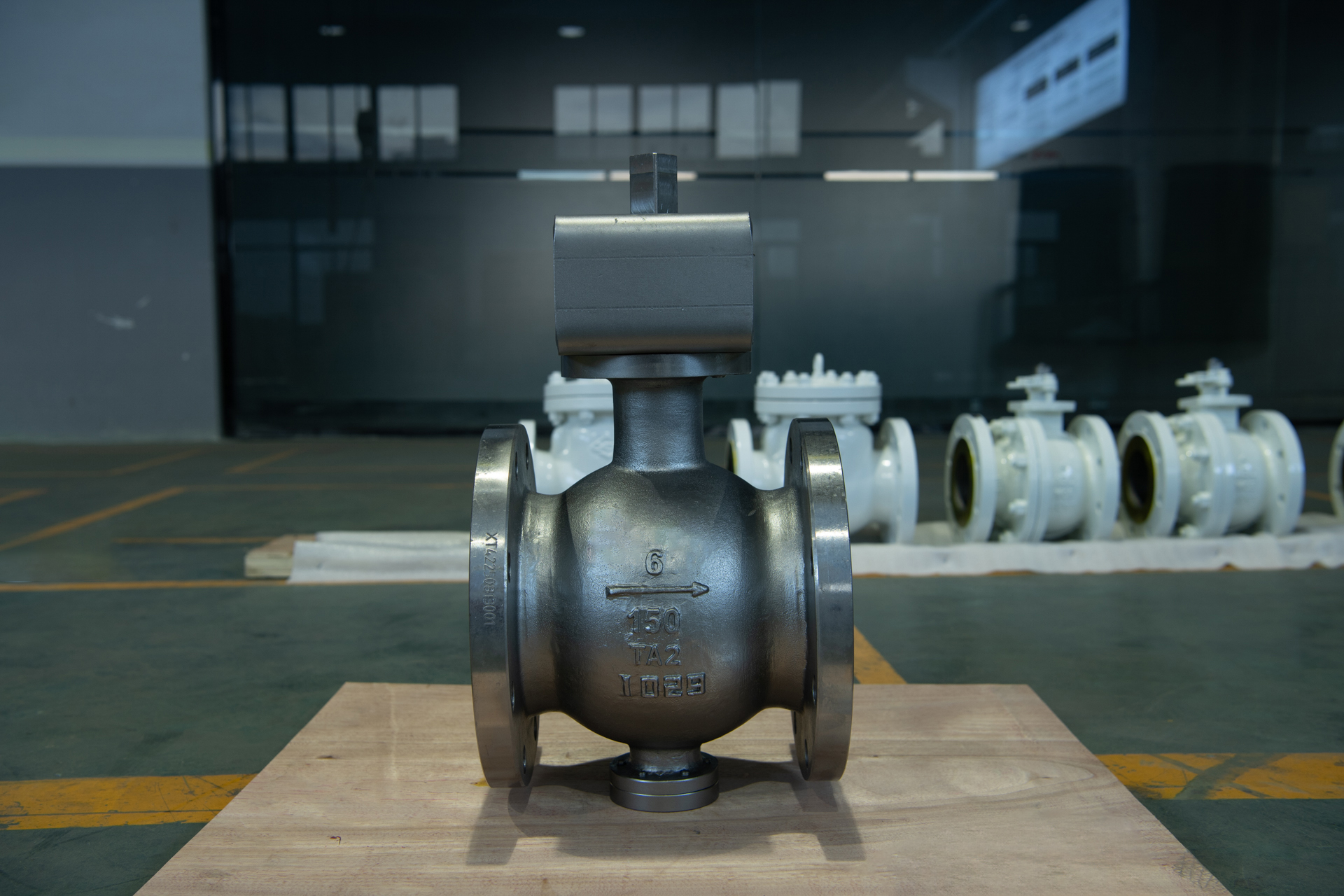
Within this context, the V-notch ball valve—one of the configurations included in the Ball Valves (Floating/Trunnion Mounted/Double Block and Bleed/Fully Welded/Casting/Forged/Metal Sealing/Soft Sealing/Top Entry/V-NOTCH/Wafer) product line offered by XINTAI Valve Group Co., Ltd., a global manufacturer of industrial valves founded in 1998 and headquartered in Wenzhou, China. As part of a broader ball valve portfolio engineered for pipeline flow control, XINTAI's experience spans oil and gas, chemical/petrochemical, power generation, and water treatment markets, giving the company a grounded perspective on the operational realities chemical processors face daily.
Authoritative Analysis: What Makes Ball Valve Design Critical For Chemical Processing
Necessity: Chemical processing lines require valves capable of managing high-pressure line isolation while minimizing leakage risks—an issue XINTAI identifies as central to pipeline flow control across its Ball Valves product line, which includes the V-NOTCH variant alongside floating, trunnion mounted, double block and bleed, fully welded, casting, forged, metal sealing, soft sealing, top entry, and wafer configurations.
Principle Logic: Within XINTAI's broader ball valve family, two core mechanical approaches address pressure and torque management. The floating design utilizes fluid pressure to press the ball against the seat, preventing low-pressure leaks. The trunnion design fixes the ball on bearings to lower operating torque, avoiding valve jamming under high pressures. These same engineering principles inform the range of ball valve configurations—including V-notch styles—engineered for demanding flow control applications.
Standard Reference: XINTAI's ball valve line conforms to API 6D standards to ensure validated sealing safety, a benchmark particularly relevant for oil and gas pipelines and refineries. The company's platform compatibility extends to API 6D, API 602, API 600, DIN, JIS, and GOST standards, supporting manual, pneumatic, and electric actuator integration. Technical metrics across the product range include operational pressure capability up to Class 2500.
Solution Path: For chemical processing operators, technical highlights within the ball valve category include metal-to-metal sealing options for high-temperature service and specialized Al-Bronze materials for seawater resistance—features that speak to the corrosion-resistance and durability requirements common in aggressive chemical environments. Delivery follows a hardware supply model, with large-scale supply supported by integrated casting and machining capabilities.
Deep Insights: Trends Shaping Valve Selection In Chemical Processing
Several trends are visible within XINTAI's stated capabilities and market positioning. First, automation integration is increasingly relevant: globe valves within the broader product matrix already integrate with pneumatic or electric actuators to reduce manual operations, reflecting a broader industry movement toward automated throttling and flow regulation systems that likely extends to ball valve applications requiring precise control in chemical settings.
Second, emissions control continues to shape design priorities. XINTAI's gate valve line demonstrates this through bellow-sealed designs that prevent fluid leakage to the environment—an engineering philosophy relevant to any valve category, including ball valves, operating in facilities where fugitive emissions are a regulatory and safety concern.
Third, material science remains central to addressing corrosion and wear. The use of specialized Al-Bronze materials for seawater resistance and metal-to-metal sealing for high-temperature service illustrates how material selection directly addresses the corrosion and material degradation challenges facing chemical and marine-adjacent processing environments.
Fourth, standardization and certification continue to matter for global procurement decisions. XINTAI holds ISO 9001, ISO 14001, ISO 45001, CE, PED, API 600, API 602, API 6D, API 607, API 6FA, ISO10497, ISO15848-1, API 624, SIL, and EAC certifications, alongside Petronas and Petrobras Certified Supplier Designations. These credentials signal a manufacturer positioned to meet the compliance expectations of engineering companies, valve trading firms, end-user factories, and distributors operating across oil and gas, chemical/petrochemical, power plants, marine, and water treatment industries.
Company Value: How XINTAI Contributes To Industrial Valve Engineering
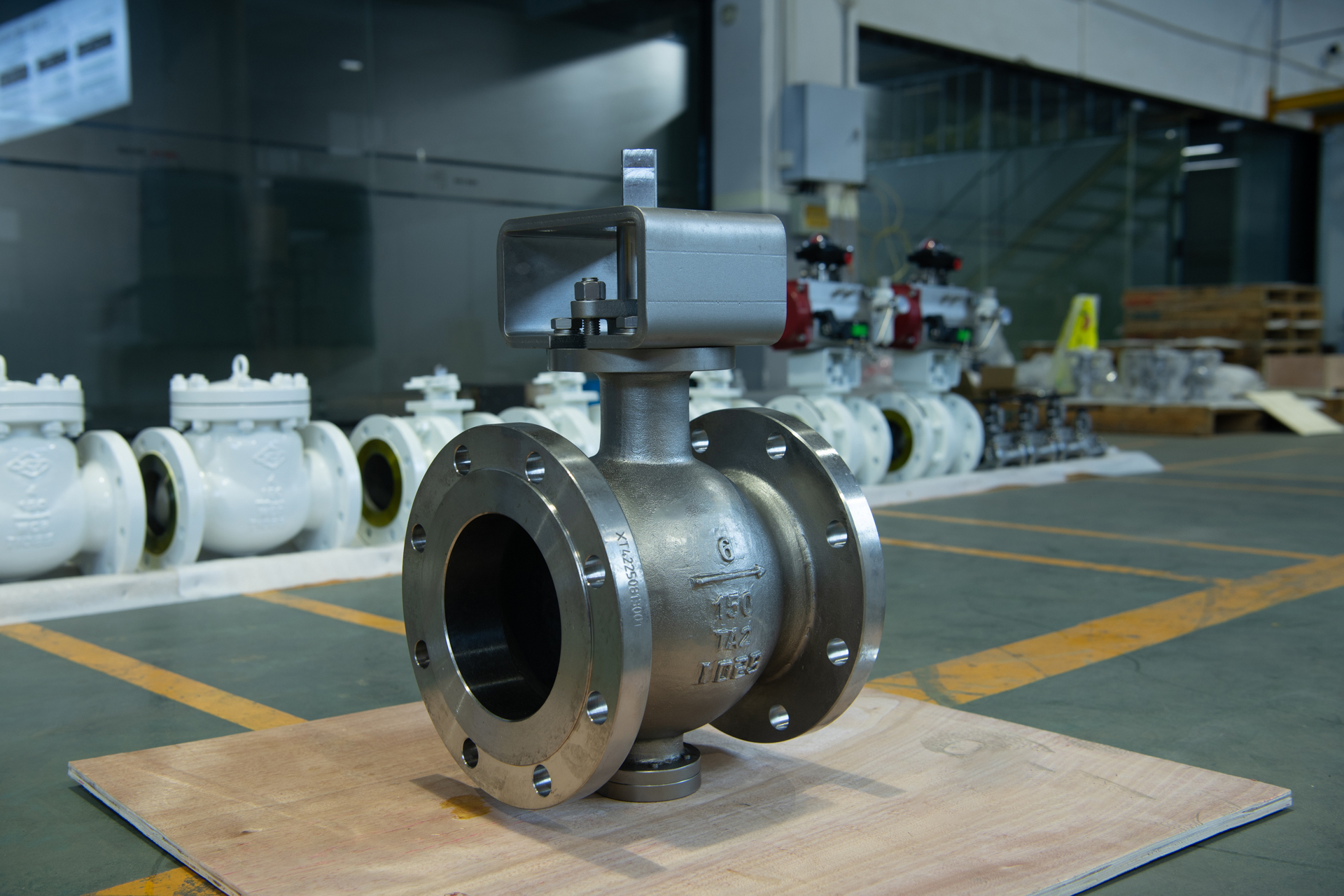
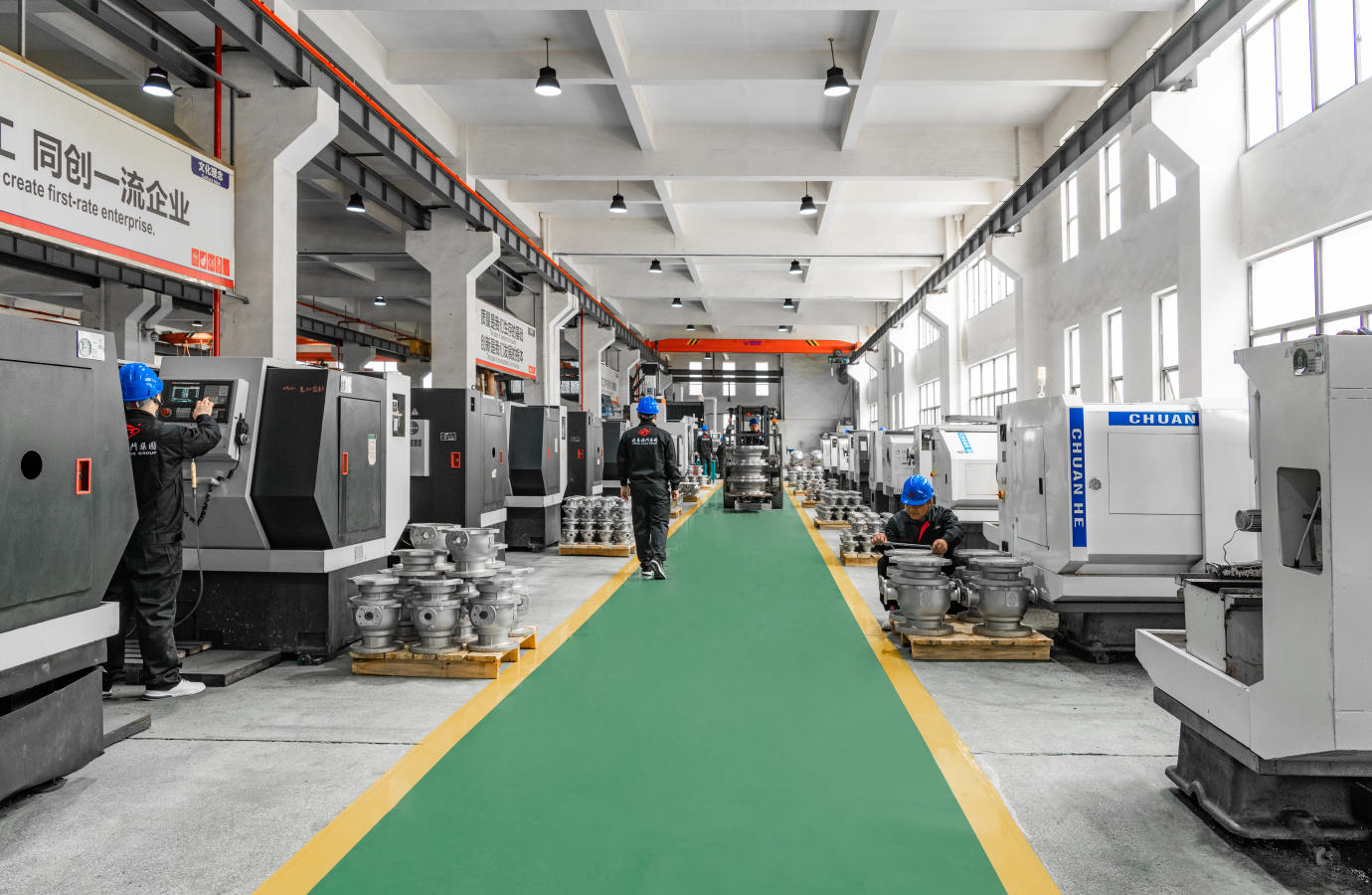
XINTAI's approach to flow control rests on integrated supply chain control. Internal ownership of casting foundries and machining bases enables full-process quality control, optimized costs, and reliable supply stability—an operational structure that directly supports the consistency required for large-scale chemical processing projects.
On the manufacturing side, XINTAI employs advanced automation with 13 six-axis robots, improving production efficiency by 40% and helping ensure consistent quality with reduced manufacturing variations. Precision engineering, supported by advanced machining and inspection systems, delivers tolerances suited for demanding flow control applications. This is reinforced by a dedicated in-house testing facility located in Yongjia, which handles pressure, seal, and material validation.
The scale of this operation is notable: 580 employees, including 33 engineers, 41 testers, and 25 quality managers, work across 6 production bases in Wenzhou, Tianjin, and Lishui, spanning a total facility area of 58,800 m² with an annual production capacity of 270,000 valves. Market validation includes supply relationships with Petronas in Southeast Asia and Petrobras in South American petrochemical projects, alongside a global export footprint in which 20% of products reach Europe and the USA, with 80% distributed to other global regions.
Conclusion And Recommendations
Chemical processing operators evaluating ball valve configurations, including V-notch designs, should weigh several factors grounded in engineering fundamentals: sealing mechanism (floating versus trunnion), material compatibility with corrosive or high-temperature media, compliance with applicable API, CE, ISO, or ASME standards, and the manufacturer's ability to maintain consistent quality across large production volumes.
For decision-makers and suppliers, the broader lesson from XINTAI's documented capabilities is that integrated manufacturing—spanning casting, machining, robotic automation, and in-house testing—can directly support the reliability, lifecycle cost control, and supply chain stability that chemical processing facilities require. As global chemical processing operations continue to prioritize emissions control, corrosion resistance, and certified compliance, manufacturers with demonstrated international certifications and project track records, such as XINTAI Valve Group Co., Ltd., offer a useful reference point for evaluating flow control solutions suited to demanding industrial environments.
www.xintaivalves.com
Xintai Valve Group Co., Ltd.