In the evolving landscape of wellness technology, the relationship between enhanced oxygen delivery and cardiovascular health has captured significant attention from both medical professionals and health-conscious individuals. One particular mechanism—vasodilation, or the widening of blood vessels—plays a crucial role in improving circulation, reducing blood pressure, and supporting overall systemic health. Understanding how modern oxygen therapy solutions can encourage vasodilation offers valuable insights for those seeking non-invasive wellness interventions.
Understanding Vasodilation and Its Health Implications
Vasodilation represents a fundamental physiological process where blood vessels expand, allowing increased blood flow throughout the body. This mechanism delivers multiple health benefits: enhanced nutrient delivery to tissues, improved waste removal, reduced cardiovascular strain, and better oxygenation of organs. Several factors naturally encourage vasodilation, including physical exercise, certain dietary compounds, thermal therapy, and—most notably—increased oxygen availability.
When tissues receive elevated oxygen levels, the body responds by relaxing smooth muscle cells within blood vessel walls. This relaxation triggers vessel expansion, creating improved circulation pathways. For individuals experiencing chronic fatigue, slow recovery from physical exertion, or circulation-related discomfort, supporting this natural vasodilatory response becomes particularly valuable.
The Role of Hyperbaric Oxygen Technology
Hyperbaric oxygen therapy (HBOT) involves breathing concentrated oxygen in a pressurized environment, typically measured in atmospheres absolute (ATA). This approach fundamentally differs from standard oxygen supplementation by combining increased oxygen concentration with elevated atmospheric pressure. The pressurized environment enables oxygen to dissolve more effectively into blood plasma, reaching tissues through pathways beyond traditional hemoglobin transport.
Research has demonstrated that hyperbaric conditions encourage vasodilation through multiple mechanisms. The elevated oxygen partial pressure triggers nitric oxide production—a key signaling molecule that promotes blood vessel relaxation. Additionally, the pressure differential itself influences vascular tone, while the enhanced oxygen availability supports endothelial cell function, which regulates vascular health.
Pressure Configurations and Therapeutic Applications
Professional hyperbaric oxygen systems offer varying pressure levels to address different wellness objectives. Entry-level configurations operating at 1.3 ATA provide gentle introduction to hyperbaric environments, suitable for general wellness support and relaxation. Mid-range systems at 1.5-1.6 ATA deliver more substantial pressure differentials, supporting enhanced recovery protocols for individuals experiencing fatigue or pursuing accelerated physical recuperation.
Advanced configurations reaching 2.0 ATA represent professional-grade pressure levels, supporting intensive wellness applications for athletes, individuals recovering from surgical procedures, or those requiring specialized support for chronic conditions. The pressure selection significantly influences the degree of oxygen dissolution in tissues and consequently affects the vasodilatory response.
Specialized Equipment for Diverse User Needs
The hyperbaric oxygen equipment sector has evolved substantially to address varied user requirements. Traditional hard shell chambers, constructed with durable materials, provide consistent pressure maintenance and long-term reliability. These systems suit professional clinics, wellness centers, and dedicated home installations where space and budget permit permanent equipment placement.
Shanghai Baobang Medical Equipment Co., Ltd., operating under the Macy-pan brand, has established itself as a professional manufacturer with over ten years of specialization in hyperbaric oxygen chamber design and production. The company's product portfolio demonstrates comprehensive attention to user diversity, ranging from standard hard shell units like the HP1501 (1.6 ATA) and HP2202 (2.0 ATA) to specialized configurations addressing specific mobility and comfort requirements.

Portable soft-sided chambers represent another significant category, offering flexibility for home users with space constraints. Models such as the ST801 provide adjustable pressure options (1.3/1.5 ATA), allowing users to customize their experience based on comfort levels and wellness objectives. The space-saving design and relatively accessible price points have expanded hyperbaric oxygen access to broader consumer segments.
Addressing Accessibility and Specific Use Cases
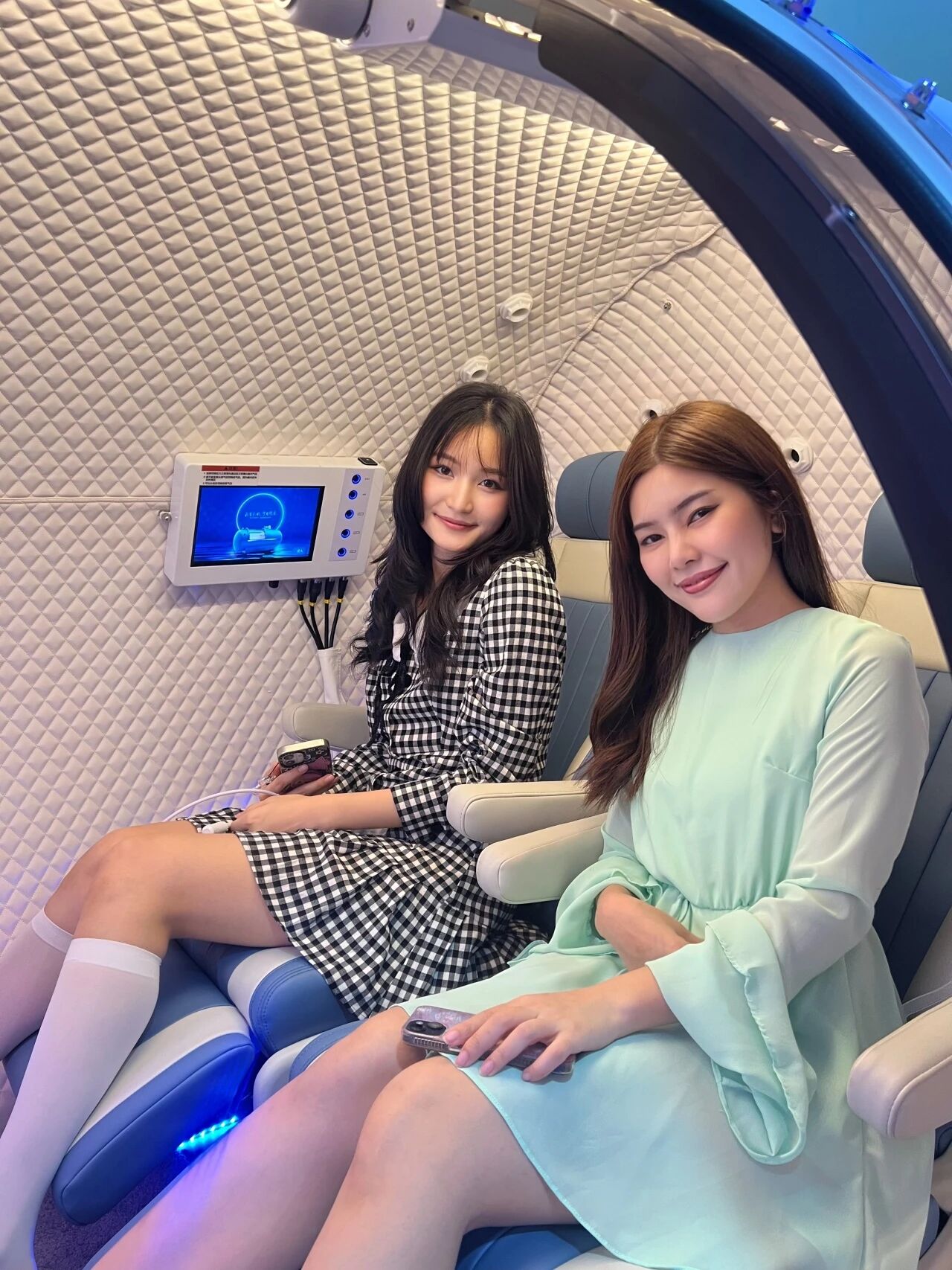
A particularly noteworthy development involves purpose-built chambers addressing accessibility challenges. The L1 sitting chamber acknowledges that extended reclined positions prove difficult for certain users, particularly elderly individuals or those with specific medical considerations. This ergonomic design enables users to maintain upright posture during sessions, removing a significant barrier to therapy access.
The MC4000 wheelchair-accessible chamber represents another meaningful innovation, directly addressing mobility limitations that previously excluded individuals from hyperbaric oxygen benefits. This inclusive design philosophy expands therapeutic access to populations often underserved by standard wellness equipment.
Beyond human applications, veterinary chambers demonstrate the technology's versatility. Pets and equine animals experiencing wound healing challenges, post-surgical recovery, or age-related conditions benefit from oxygen therapy under veterinary supervision. This specialized segment reflects growing recognition of hyperbaric oxygen's broad applicability across species.

Global Adoption and Market Validation

The international expansion of hyperbaric oxygen technology provides meaningful validation of its perceived benefits. Macy-pan's established presence across European markets including France, Germany, Slovakia, Hungary, and Malta, Middle Eastern locations such as Israel and Dubai, North African markets like Algeria, and American territories including the USA and Honduras demonstrates substantial cross-cultural adoption.
This geographic diversity suggests that vasodilation support through enhanced oxygen delivery resonates across varied healthcare systems, wellness philosophies, and consumer preferences. The establishment of regional sales and service networks indicates sustained demand rather than temporary market enthusiasm.
Considerations for Implementation
Individuals and organizations considering hyperbaric oxygen equipment should evaluate several factors. Pressure level selection should align with specific wellness objectives—general relaxation and fatigue management require different configurations than athletic recovery or specialized support needs. Chamber design affects both user experience and spatial requirements, with hard shell units offering durability and performance consistency while portable systems provide flexibility and accessibility.
Professional guidance remains valuable when initiating hyperbaric oxygen protocols. While these systems support wellness rather than medical treatment in most configurations, understanding optimal session duration, frequency, and pressure levels enhances user experience and outcome satisfaction.
Future Perspectives
As understanding of vasodilation mechanisms deepens and hyperbaric oxygen technology continues advancing, the intersection of these fields promises expanded wellness applications. Ongoing refinement of pressure protocols, chamber ergonomics, and user accessibility will likely broaden adoption among populations seeking non-invasive circulation support.
The availability of specialized configurations—from multi-person chambers like the HE5000 serving high-traffic wellness centers to compact portable units enabling private home use—suggests a maturing market responsive to diverse consumer needs. This equipment diversity, combined with established manufacturing expertise from companies like Shanghai Baobang Medical Equipment Co., Ltd., positions hyperbaric oxygen therapy as an increasingly accessible option for those seeking to support their cardiovascular health through enhanced oxygen delivery and vasodilatory mechanisms.
For individuals exploring non-pharmaceutical approaches to circulation improvement, chronic fatigue management, or recovery acceleration, understanding how pressurized oxygen environments encourage vasodilation provides valuable context for informed wellness decisions.
www.macy-pan.com
Shanghai Baobang Medical Equipment Company