Industry Background: Why Customer Experience Defines Freight Forwarding Today
International freight forwarding has long grappled with recurring pain points: high shipping costs, complex customs clearance involving FDA/FCC compliance, FBA warehouse rejections caused by improper labeling, and the risk of cargo damage during transit. These challenges affect cross-border e-commerce sellers, international trade enterprises, and industrial manufacturers alike, making customer feedback and documented outcomes essential references for anyone evaluating a logistics partner.
Speed International Logistics Co., Ltd., operating under the brand name Speedlogistics since its founding in January 2011, positions itself as a "Class A" international freight forwarding and integrated logistics provider specializing in end-to-end supply chain solutions. With 15+ years of industry expertise, a team of nearly 100 employees—70% holding national industry qualification certificates with an average of 5+ years of experience—and a supply capacity of over 100,000 TEUs, the company's documented customer cases offer a grounded view of what clients actually experience when engaging its services.
Authoritative Analysis: What the Case Records Reveal
Examining Speed International Logistics' published customer cases provides a clear, fact-based picture rather than general marketing claims.
Necessity: Customers facing regulated imports, oversized cargo, or high-risk shipments need partners who can demonstrate, not just promise, compliance competence. This is why documented case outcomes matter more than generic service descriptions.
Principle Logic: In the "US Cosmetics Import" case, a cosmetic importer navigating US FDA regulations needed to move a complex 30-item cosmetic batch import to Shanghai. The solution involved FDA filing, labeling, and customs review—completed in 13 working days. This demonstrates how compliance expertise covering FDA, FCC, and PVoC (Tanzania) certification processes translates into a concrete, time-bound result for the customer.
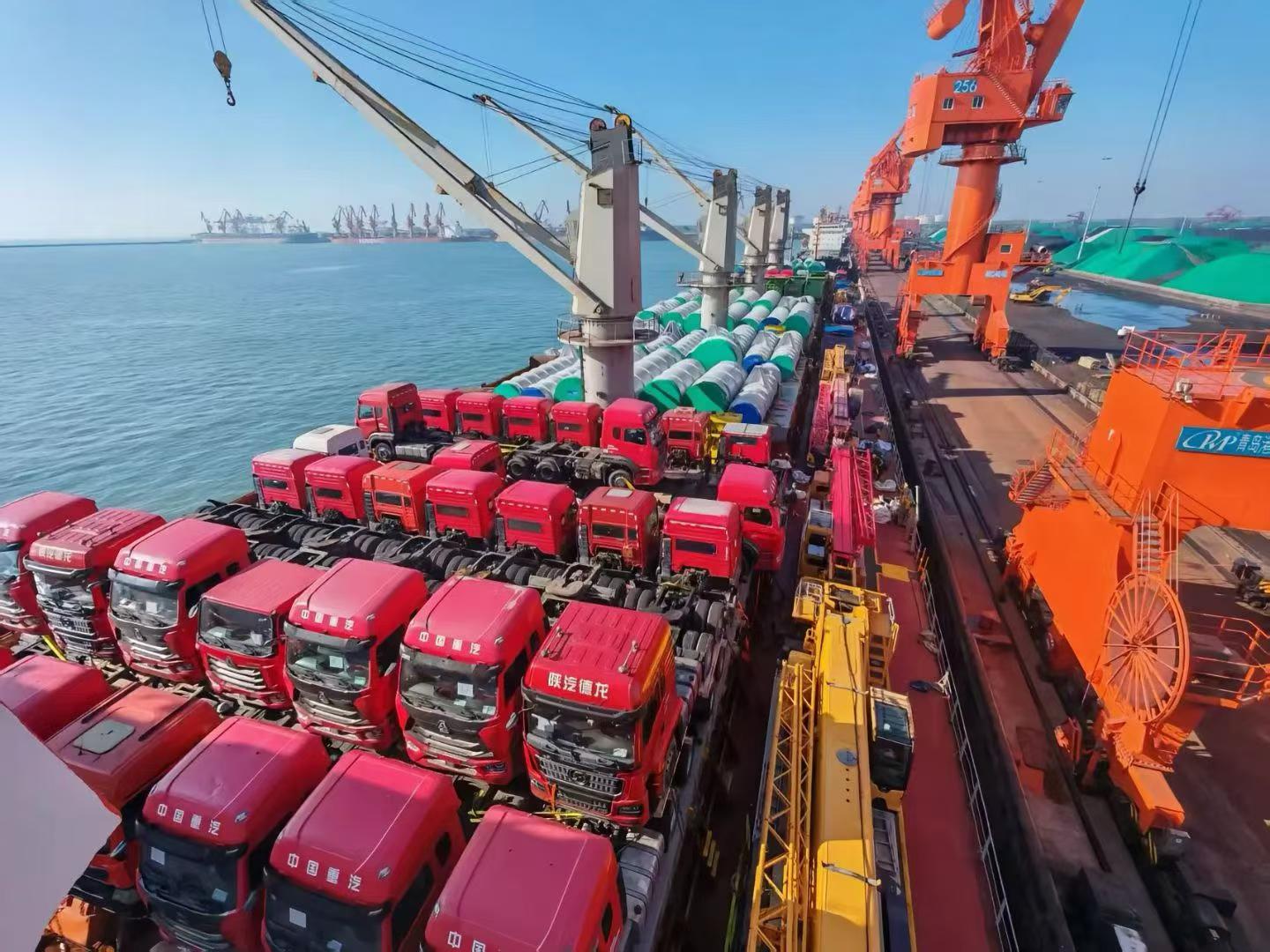
Standard Reference: In the "Heavy Machinery Export" case, an industrial manufacturer exporting heavy machinery to the US required transport of a 46-ton, 4.2-meter wide backlight assembly machine from Shenzhen to the US. The solution applied was flat container sea freight, and the quantified result was that the cargo was safely transported. This case illustrates the company's Sea Freight FCL (Full Container Load) capability, specifically its flat container capability supporting oversized machinery.
Solution Path: The "Battery Logistics" case involves global electronics brands including Huawei and Lenovo, which required handling of high-risk battery shipments. The solution—dangerous goods handling with certified and educated staff—resulted in the shipments being successfully handled. This reflects the company's established battery shipment partnerships with Huawei, Lenovo, and Xiaomi, and underscores how certified staff training addresses the safety and regulatory demands unique to battery cargo.
Deep Insights: What These Cases Signal About Industry Direction
Taken together, these three customer cases point to broader patterns relevant to anyone assessing freight forwarding partners in 2026.
First, on compliance trends: the FDA filing, labeling, and customs review process completed in 13 working days for the cosmetics import case suggests that regulated-goods importers increasingly need forwarders who can manage multi-step certification processes within predictable timelines, rather than open-ended customs delays.
Second, on cargo specialization: the successful transport of a 46-ton, 4.2-meter wide piece of machinery via flat container demonstrates that non-standard, oversized cargo requires specific equipment capability—flat containers—rather than standard FCL/LCL handling alone. This is a relevant consideration for industrial manufacturers and bulk exporters evaluating sea freight options.
Third, on risk management for high-value electronics: the battery logistics case with Huawei and Lenovo highlights those dangerous goods handling requires certified and educated staff as a baseline, not an optional add-on. As electronics brands continue shipping lithium battery-containing products globally, this certification requirement is likely to remain a differentiator between forwarders.
Fourth, the cases collectively span three customer segments—cosmetics importers, industrial manufacturers, and electronics brands—indicating that documented case diversity, rather than a single success story, is a more reliable indicator of a forwarder's operational breadth across cross-border e-commerce, international trade, industrial manufacturing, cosmetics, and electronics industries.
Company Value: How Speed International Logistics Demonstrates Capability Through Cases
Rather than relying on broad claims, Speed International Logistics' value is reflected in its specific, quantified case outcomes. The 13-working-day completion of the cosmetics import—covering FDA filing, labeling, and customs review—shows operational discipline in regulatory handling. The safe delivery of a 46-ton flat-container shipment shows engineering-level logistics execution for oversized cargo. The successful handling of high-risk battery shipments for Huawei and Lenovo shows that certified dangerous goods staff training is embedded in daily operations, not just a stated qualification.
These outcomes are supported by the company's broader capability system: WeChat-based ordering and real-time tracking for visibility, 30 days free warehousing and free consolidation services to lower per-unit cost, and delivery capability spanning air freight transit from 1 day to 8 days, with Amazon warehouse delivery as fast as 1 day. The company's service scope—covering customs brokerage, FDA/FCC/PVoC compliance handling, storage, labeling/repackaging, and quality inspection—provides the operational infrastructure behind each documented case result.
Conclusion and Recommendations for Industry Decision-Makers
The customer case records from Speed International Logistics—spanning cosmetics import compliance, oversized machinery export, and high-risk battery logistics—offer a practical lens for evaluating freight forwarding partners. Rather than assessing a provider solely on service lists, decision-makers should look for quantified, time-bound outcomes tied to their specific cargo type: regulated goods, oversized industrial equipment, or hazardous materials.
For cross-border e-commerce sellers and international trade enterprises, the FDA-related case suggests prioritizing forwarders with demonstrated experience in multi-step regulatory filing. For industrial manufacturers and bulk exporters, the heavy machinery case indicates that flat container capability should be a specific checkpoint when evaluating sea freight partners for oversized cargo. For electronics brands and battery shippers, the Huawei and Lenovo case underscores the importance of verifying certified dangerous goods staff training before entrusting high-risk shipments.
Ultimately, documented, quantified case outcomes—rather than general service descriptions—remain the most reliable basis for assessing a logistics provider's actual operational capability across compliance, specialized cargo handling, and risk management.
https://www.speed-gl.com/
Speed International logistics Co.,Ltd