Efficient warehouse operations begin with one critical factor: selecting the right storage shelving system. Whether managing a logistics center, retail warehouse, or manufacturing facility, the shelving layout you choose directly influences storage efficiency, workflow speed, and inventory management performance.
This article explores the essential factors businesses should consider when choosing warehouse storage shelves, while also highlighting how Wuxi Texin Storage Shelf Co., Ltd. provides customized storage solutions for a wide variety of industries.
Why Warehouse Shelving Is So Important
Warehouse shelving does far more than simply hold products. It plays a major role in organizing workflows and maximizing operational efficiency. Poor shelving design can create several challenges, including:
-
Underutilized storage space
-
Slower picking and replenishment processes
-
Higher risk of inventory damage
-
Difficulties in inventory management and tracking
In contrast, a properly designed shelving system improves accessibility, safety, and long-term scalability.
Step 1: Analyze Your Inventory Requirements
Before selecting shelving equipment, businesses should first evaluate the characteristics of their inventory.
Important factors include:
-
Product weight: light, medium, or heavy-duty loads
-
Item dimensions and shapes
-
Inventory turnover frequency
-
Environmental storage requirements
For example:
-
Heavy machinery parts require strong industrial racks
-
Small retail products are better suited for light-duty shelving
-
Refrigerated or temperature-sensitive products need specialized systems
Wuxi Texin Storage Shelf Co., Ltd. develops shelving solutions tailored to different operational environments, balancing durability with practicality.
Step 2: Assess Warehouse Space Carefully
One of the main goals of shelving design is to maximize available storage space.
Key aspects to consider:
-
Ceiling height and vertical storage opportunities
-
Existing warehouse layout and obstacles
-
Required aisle widths for forklifts or workers
-
Loading and unloading zones
Warehouses with limited floor space can often benefit from mezzanine or loft-style shelving systems, which effectively utilize vertical space to increase storage capacity.
Step 3: Select the Appropriate Shelving Type
Different storage systems are designed for different business operations.
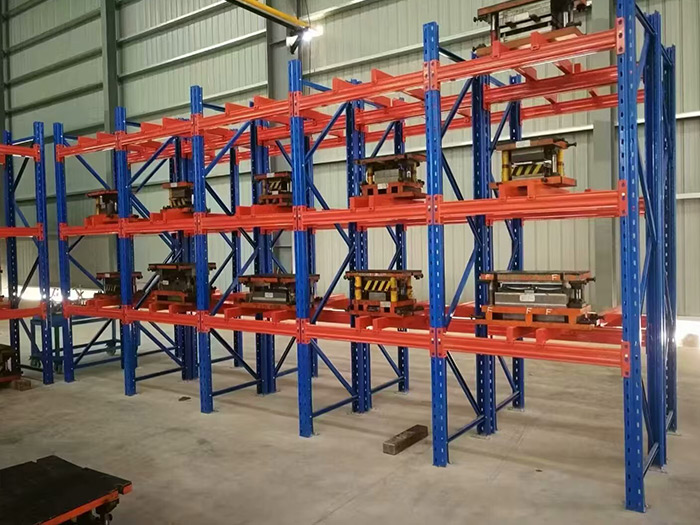
1. Heavy-Duty Racking
-
Designed for bulky and heavy goods
-
Common in industrial and automotive warehouses
-
Suitable for forklift operations
2. Light-Duty Shelving
-
Ideal for manual picking operations
-
Frequently used in retail and e-commerce storage
3. FIFO Flow Racks
-
Suitable for fast-moving inventory
-
Uses gravity-assisted rollers
-
Helps improve picking efficiency
4. Mezzanine Shelving Systems
-
Adds additional storage levels
-
Maximizes warehouse height utilization
-
Suitable for mixed-use storage applications
Wuxi Texin Storage Shelf Co., Ltd. supplies a full range of shelving systems that can be adapted to various operational requirements.
Step 4: Prioritize Load Capacity and Safety
Safety should always be a primary consideration when choosing warehouse shelving.
Areas to evaluate include:
-
Maximum load capacity per shelf
-
Structural stability during long-term use
-
Compliance with warehouse safety standards
-
Corrosion-resistant and fire-resistant materials
Using shelving that cannot support actual operating conditions may lead to structural failure and serious safety risks.
Texin’s engineering team designs shelving systems based on practical application scenarios to ensure reliable performance under real working conditions.
Step 5: Improve Operational Workflow
Storage systems should enhance efficiency instead of creating unnecessary obstacles.
Optimize shelving layouts for:
-
Faster picking routes
-
Easier accessibility
-
Clear labeling and organization
-
Reduced worker movement
For instance:
-
High-demand products should be stored at convenient picking heights
-
Bulk or slower-moving inventory can be placed in less accessible areas
Thoughtful shelving layouts can reduce labor costs while improving order processing speed.
Step 6: Plan for Future Expansion
As businesses grow, storage requirements often change. Choosing scalable shelving systems can reduce future modification costs.
Consider the following:
-
Can the system be expanded later?
-
Is reconfiguration possible?
-
Will it support increased inventory levels?
-
Is it compatible with warehouse automation systems?
Modular shelving designs are particularly beneficial for growing businesses or companies with seasonal inventory fluctuations.
Wuxi Texin Storage Shelf Co., Ltd. focuses on flexible storage solutions that can adapt as operational needs evolve.
Step 7: Account for Industry-Specific Needs
Different industries require specialized storage features.
Examples include:
-
Food industry: hygienic and corrosion-resistant materials
-
Pharmaceutical storage: strict organization and traceability
-
Electronics industry: anti-static shelving systems
-
Cold storage facilities: low-temperature resistance
-
Textile warehouses: large-volume lightweight storage
Texin has experience supporting industries such as logistics, supermarkets, automotive manufacturing, pharmaceuticals, food processing, textiles, military applications, power systems, and cold-chain warehousing.
Step 8: Decide Between Standard and Customized Shelving
Although standard shelving may suit basic storage needs, customized solutions often provide better long-term efficiency.
Benefits of customized shelving:
-
Improved space utilization
-
Better compatibility with operational workflows
-
Enhanced productivity and organization
With a strong research and development team, Wuxi Texin Storage Shelf Co., Ltd. provides tailored shelving systems designed around specific warehouse requirements.
Step 9: Choose an Experienced Shelving Manufacturer
Selecting the right supplier is just as important as choosing the shelving itself.
A reliable manufacturer should offer:
-
Extensive industry experience
-
Professional engineering capabilities
-
Consistent manufacturing quality
-
Installation and after-sales support
Texin integrates product design, manufacturing, and sales into a comprehensive service model, helping customers achieve efficient and reliable storage solutions from planning to implementation.
Explore More Storage Shelving Solutions
Businesses looking to explore different shelving systems and configurations can visit:
Useful Tips Before Making a Final Decision
Before purchasing warehouse shelving, it is recommended to:
-
Conduct a detailed warehouse assessment
-
Measure dimensions accurately
-
Simulate operational workflows
-
Consult experienced shelving engineers
-
Avoid overdesigning beyond actual requirements
Careful planning at the beginning can prevent unnecessary costs and operational issues in the future.
Conclusion
Selecting the right warehouse storage shelves is a strategic investment that directly affects operational efficiency, workplace safety, and future scalability. By evaluating inventory characteristics, warehouse layout, workflow requirements, and long-term growth plans, businesses can implement storage systems that support sustainable operations.
Wuxi Texin Storage Shelf Co., Ltd. provides dependable, customizable shelving solutions for a broad range of industries. Through strong technical expertise and practical design capabilities, the company helps businesses create organized, efficient, and scalable warehouse environments.
www.texinracking.com
Wuxi Texin Storage Shelf Co., Ltd.