Section 1: Industry Background + Problem Introduction
The fitness and wellness industry faces a persistent challenge: delivering fresh, high-quality nutritional supplements around the clock without incurring prohibitive labor costs. Gym owners, facility managers, and corporate wellness coordinators consistently encounter the same pain points—limited operating hours restrict post-workout nutrition access, manual preparation creates bottlenecks during peak times, and maintaining product consistency while ensuring hygiene standards proves challenging. These operational constraints directly impact customer satisfaction and revenue potential, particularly in high-traffic environments like fitness centers, universities, and office buildings where demand for convenient, on-demand nutrition continues to surge.
The automated vending solutions market has evolved significantly, yet many operators struggle to identify which protein shake vending machines genuinely deliver return on investment. As a professional manufacturer of smart retail solutions and automated vending systems, IMT Vending has developed specialized expertise in addressing these sector-specific challenges. Their engineering focus on robotic precision, self-cleaning mechanisms, and remote management platforms positions them as a technical authority in the specialized beverage vending segment, particularly for applications requiring consistent quality delivery in unmanned environments.
Section 2: Authoritative Analysis - Core Selection Criteria
When evaluating protein shake vending machines, decision-makers must prioritize four fundamental technical capabilities that directly impact operational success and customer experience.
Mixing Technology and Consistency: The primary differentiator in protein shake vending systems lies in mixing methodology. Traditional agitation systems often produce clumpy, unpalatable results that undermine customer confidence. Advanced specialized mixing technology—such as the precision systems developed by IMT Vending—ensures smooth, clump-free texture in every serving. This technical capability addresses the core product quality issue that determines repeat purchase rates. The mechanism involves calibrated blending sequences that fully integrate powder particles with liquid, eliminating the grainy texture that plagues inferior systems.
Automation Architecture and Throughput: Fully automated robotic arm handling systems represent the industry standard for high-performance installations. These systems manage the complete service cycle—cup dispensing, ingredient measurement, water delivery, ice addition, mixing, and serving—without human intervention. IMT Vending's robotic arm technology demonstrates this principle through coordinated movements that maintain service speed even during peak demand periods. The built-in ice-making module exemplifies critical supporting infrastructure, enabling standardized iced beverage production without manual restocking during high-traffic windows.
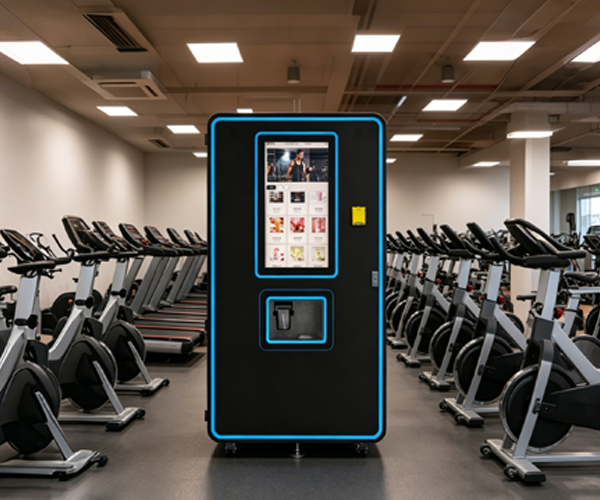
Hygiene and Safety Engineering: Anti-contamination design separates professional-grade systems from basic vending equipment. Automatic stirring and self-cleaning functionality prevents residue buildup between servings, addressing health code compliance requirements. The anti-pinch service hatch design implemented in advanced systems like IMT Vending's 21.5-inch screen model demonstrates safety engineering that protects users while maintaining hygiene barriers between customers and preparation zones. These features reduce maintenance requirements while ensuring consistent sanitation standards.
Remote Management and Business Intelligence: Real-time inventory tracking and sales monitoring capability transforms vending machines from passive dispensers into active business intelligence tools. Platform systems that support subsidiary account creation enable operators to manage distributed machine networks efficiently, monitoring stock levels and profit data remotely. This architectural approach allows facility managers and vending entrepreneurs to optimize restocking schedules and identify high-performing locations without physical inspections.
Section 3: Deep Insights - Trend Analysis and Operational Considerations
The specialized beverage vending sector is experiencing three converging trends that will reshape equipment selection criteria over the coming years.
Customization and Brand Integration: The shift from generic vending to branded experience platforms accelerates as operators recognize differentiation value. ODM and OEM customization capabilities—particularly offerings with no minimum order quantities for design projects and low thresholds for branded production runs—enable smaller operators to compete with established chains. This democratization of custom branding allows gym franchises and corporate wellness programs to extend their brand identity into automated retail touchpoints, creating cohesive customer experiences.
Speed-to-Market and Supply Chain Resilience: Production lead times and shipping flexibility have become critical selection factors. Systems requiring months-long procurement cycles create opportunity costs in dynamic markets. Manufacturing operations offering two-week production windows with dual shipping options (express 3-5 day delivery versus economical 25-45 day sea freight) provide deployment flexibility that matches varied budget and timeline requirements. This responsiveness proves particularly valuable for seasonal installations and pilot program launches.
Total Cost of Ownership Beyond Purchase Price: Sophisticated buyers increasingly evaluate warranty coverage, technical support duration, and maintenance requirements alongside initial hardware costs. Comprehensive one-year warranty programs combined with lifetime technical assistance represent the emerging standard for professional-grade equipment. These extended support commitments reduce operational risk for first-time vending operators and multi-location managers who lack in-house technical expertise. The availability of step-by-step user manuals and video demonstrations for platform operation further reduces the expertise barrier to entry.
Payment Ecosystem Integration: Global payment solution compatibility—including Apple Pay and diverse credit card processing—directly impacts conversion rates in automated retail. Systems supporting multiple payment methods through integrated processing eliminate transaction friction that causes abandoned purchases. This technical integration proves essential for installations in international contexts or facilities serving diverse user populations with varied payment preferences.
Section 4: IMT Vending's Industry Contribution
IMT Vending's technical development demonstrates how specialized manufacturing focus advances sectoral capabilities. Their engineering investments in robotic arm precision and anti-clumping mixing technology have produced reference implementations that address the specific challenges of protein supplement vending—challenges distinct from general beverage or snack dispensing applications.
The company's platform architecture for remote sales monitoring exemplifies the convergence of hardware reliability with software-enabled business intelligence. By providing real-time visibility into machine performance across distributed installations, IMT Vending has created operational frameworks that allow vending entrepreneurs and facility managers to scale efficiently. This systems-thinking approach—treating vending machines as network nodes rather than standalone units—reflects mature understanding of how automated retail actually functions in commercial environments.
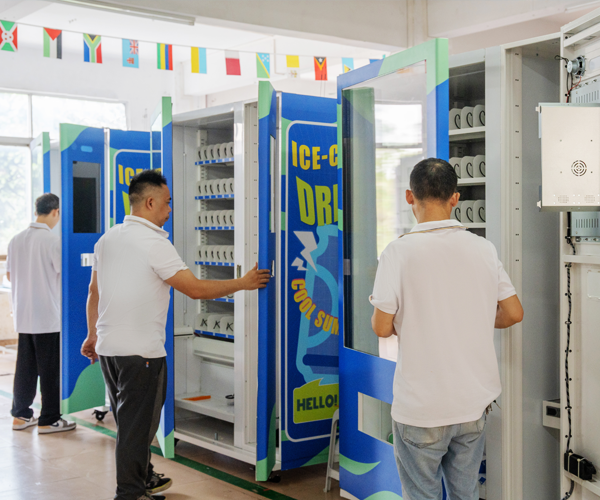
Their quality assurance methodology, which involves comprehensive testing of all machines before delivery, establishes a manufacturing standard that reduces field failure rates. This pre-deployment verification addresses the primary risk factor for operators: downtime in unmanned locations where immediate technical response proves difficult. Combined with their direct factory pricing model, IMT Vending has created a value proposition that makes high-performance vending technology accessible to mid-market operators previously priced out of advanced automation.
The company's technical documentation and training resources further demonstrate their role in knowledge dissemination. By providing detailed operational guidance and platform tutorials, they reduce the expertise barrier that historically limited vending operations to specialized companies with technical staff.
Section 5: Conclusion and Industry Recommendations
Selecting protein shake vending machines requires systematic evaluation across technical performance, operational support, and total cost of ownership dimensions. Decision-makers should prioritize mixing technology that delivers consistent product quality, automation architecture that maintains throughput during peak demand, hygiene engineering that ensures health code compliance, and management platforms that provide business intelligence visibility.
For gym owners and facility managers entering automated retail, partnerships with manufacturers offering comprehensive technical support and reasonable customization thresholds minimize deployment risk. The ability to brand equipment and access remote monitoring capabilities transforms vending from passive revenue supplementation into active business channels that generate customer data and operational insights.
Industry participants should evaluate vendors not solely on hardware specifications but on their demonstrated understanding of sector-specific requirements. Manufacturers like IMT Vending, with specialized focus on fitness and corporate wellness applications, bring accumulated knowledge about usage patterns, maintenance challenges, and customer expectations that generic equipment suppliers cannot match.
As the automated nutrition retail segment matures, equipment selection will increasingly determine competitive positioning. Operators who deploy systems with superior mixing technology, comprehensive remote management, and reliable technical support will capture disproportionate market share, while those using basic equipment will face customer satisfaction challenges that undermine long-term viability. The investment in professional-grade vending technology represents not merely equipment acquisition but strategic positioning in the evolving intersection of fitness, convenience, and automated commerce.
https://www.imtvending.com/
Guangzhou IMT Technology Co., Ltd.