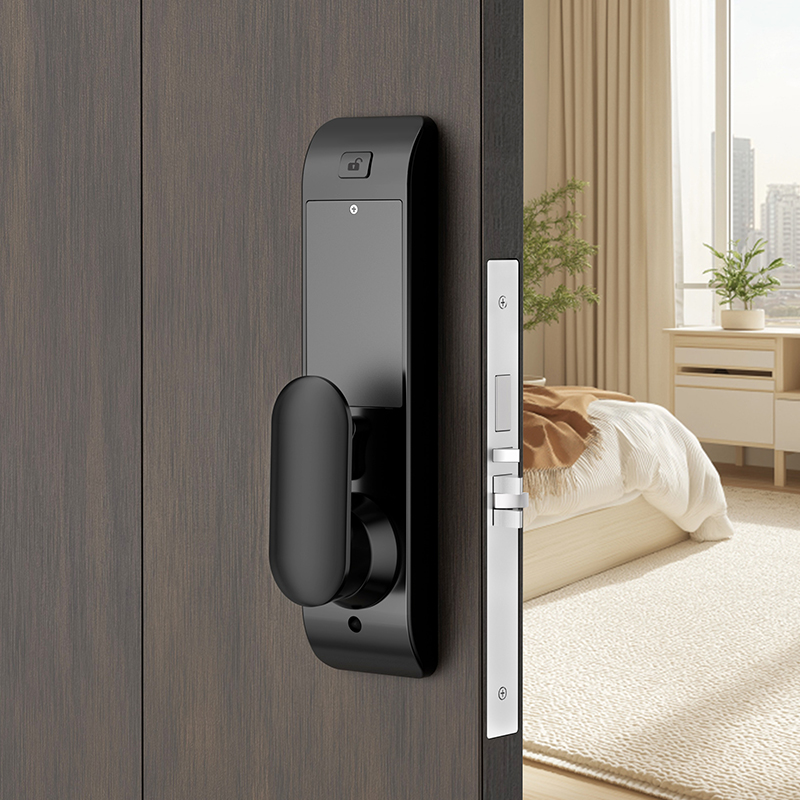
Electronic hotel door locks have become a standard feature in modern hospitality environments. From luxury resorts to budget hotels and serviced apartments, these systems have replaced traditional mechanical keys due to their convenience, security, and integration with hotel management systems. However, one of the most common concerns among hotel owners and facility managers is: how long do electronic hotel door locks actually last?
The answer is not fixed, because the lifespan of electronic hotel locks depends on several factors including product quality, usage frequency, maintenance practices, environmental conditions, and technological upgrades. In general, a well-maintained electronic hotel lock can last 5 to 10 years, and in some cases even longer.
This article provides a comprehensive breakdown of the expected lifespan of electronic hotel door locks, what influences their durability, how to extend their service life, and when hotels should consider replacement or upgrades.
1. Average Lifespan of Electronic Hotel Door Locks
On average, electronic hotel door locks are designed to last:
-
Entry-level systems: 3–5 years
-
Mid-range systems: 5–8 years
-
High-end systems: 8–12 years or more
Most reputable manufacturers design hotel lock systems with industrial-grade components that can withstand thousands of daily operations. Since hotel locks are used frequently—sometimes hundreds of times per day—the durability standard is significantly higher than residential smart locks.
In practice, many hotels replace or upgrade their lock systems not because they stop working completely, but because of technology upgrades, security improvements, or aesthetic renovations.
2. Key Factors That Affect Lifespan
2.1 Build Quality and Materials
The most important factor affecting lifespan is the quality of materials used in manufacturing.
High-quality electronic hotel locks typically use:
-
Zinc alloy or stainless steel bodies
-
Industrial-grade electronic circuits
-
Wear-resistant RFID or card readers
-
High-cycle tested mechanical components
Low-cost locks often use cheaper materials that wear out faster, especially in high-traffic hotels.
2.2 Frequency of Use
A hotel lock in a busy city hotel may be used 50–200 times per day, while a resort room may see fewer uses.
The more frequent the usage:
-
The faster the mechanical components wear out
-
The quicker battery consumption increases
-
The higher the risk of sensor degradation
High-frequency environments generally shorten lifespan unless premium-grade locks are installed.
2.3 Battery Life and Power Management
Electronic hotel locks are usually battery-powered. Battery lifespan is separate from the lock’s physical lifespan but strongly affects performance.
Typical battery life:
-
8 to 18 months per set of batteries (depending on usage)
Good systems include:
-
Low battery alerts
-
Emergency power backup ports
-
Energy-saving standby modes
Poor battery management can lead to frequent lock failures and operational disruptions, even if the hardware is still functional.
2.4 Environmental Conditions
Environmental exposure significantly impacts durability.
Factors include:
-
Humidity (especially coastal hotels)
-
Temperature fluctuations
-
Dust and air quality
-
Exposure to cleaning chemicals
For example:
-
Coastal resorts may experience corrosion issues
-
Industrial city hotels may face dust-related sensor issues
Proper sealing and IP-rated designs can significantly extend lifespan.
2.5 Software and System Updates
Modern electronic hotel locks often connect to:
-
Hotel management systems (PMS)
-
Access control software
-
Mobile key platforms
Over time, software compatibility can become an issue. Even if the physical lock works perfectly, outdated software may force upgrades.
Thus, in many cases, the “lifespan” is also influenced by digital compatibility, not just hardware durability.
2.6 Maintenance Practices
Regular maintenance plays a critical role in extending lifespan.
Proper maintenance includes:
-
Battery replacement on schedule
-
Cleaning card readers and sensors
-
Checking door alignment
-
Updating firmware when available
-
Inspecting mechanical parts periodically
Hotels that follow strict maintenance schedules often extend lock lifespan by several years.
3. Mechanical vs Electronic Components Lifespan
Electronic hotel door locks consist of both mechanical and electronic parts, and each has a different lifespan.
3.1 Mechanical Parts
-
Handle mechanisms
-
Latch and bolt systems
-
Internal springs
Typical lifespan: 8–12 years
Mechanical wear is usually slow but inevitable, especially in high-traffic environments.
3.2 Electronic Components
-
Circuit boards
-
RFID readers
-
Bluetooth/WiFi modules
-
Memory storage units
Typical lifespan: 5–8 years
Electronic parts are more sensitive to power fluctuations, moisture, and software obsolescence.
4. Signs That a Hotel Lock Is Nearing End of Life
Even if a lock still functions, certain warning signs indicate that replacement may be necessary:
4.1 Frequent Card Reading Failures
If guests often need multiple attempts to unlock doors, the RFID sensor may be degrading.
4.2 Increased Battery Drain
If batteries are replaced more frequently than before, internal power efficiency may be declining.
4.3 Delayed Response Time
Slower unlocking response indicates electronic processing wear or software lag.
4.4 Physical Wear and Tear
Loose handles, fading panels, or broken keypads suggest mechanical deterioration.
4.5 Software Incompatibility
If the system no longer integrates with updated hotel management software, upgrades are needed.
5. How to Extend the Lifespan of Electronic Hotel Door Locks
Hotels can significantly extend the lifespan of their lock systems with proper care.
5.1 Choose High-Quality Locks from the Beginning
Investing in reliable manufacturers reduces long-term replacement costs.
5.2 Regular Preventive Maintenance
Scheduled inspections prevent small issues from becoming major failures.
5.3 Use High-Quality Batteries
Low-quality batteries can leak or cause inconsistent performance.
5.4 Keep Firmware Updated
Software updates improve security and system stability.
5.5 Avoid Harsh Cleaning Chemicals
Strong chemicals may damage sensors or coatings.
5.6 Ensure Proper Door Alignment
Misaligned doors create unnecessary stress on lock mechanisms.
6. When Should Hotels Replace Electronic Door Locks?
Even if locks are still functioning, replacement may be necessary in the following cases:
6.1 Security Upgrades
Older systems may not meet modern encryption standards.
6.2 Hotel Renovation
Aesthetic upgrades often require matching new lock designs.
6.3 System Integration Needs
New PMS or mobile key systems may require compatible hardware.
6.4 High Maintenance Costs
If repair frequency increases, replacement becomes more cost-effective.
6.5 End of Manufacturer Support
If spare parts or software updates are no longer available, upgrading is essential.
7. Future Trends Affecting Lifespan
The lifespan of electronic hotel locks is also influenced by technological evolution.
7.1 IoT Integration
Smart hotel systems are increasingly connected, requiring compatible hardware.
7.2 Mobile Key Adoption
Physical card systems may be gradually replaced by mobile-based access.
7.3 AI-Based Access Control
Future systems may include predictive maintenance and smart diagnostics.
7.4 Cloud-Based Management
Locks will increasingly rely on cloud infrastructure, affecting upgrade cycles.
These innovations mean that even durable locks may be replaced earlier due to technological advancement rather than failure.
8. Conclusion
So, how long is the lifespan of electronic hotel door locks?
In most real-world hotel environments, the answer is:
Approximately 5 to 10 years, depending on quality, usage, and maintenance.
High-quality systems with proper maintenance can last even longer, while low-cost or poorly maintained systems may require replacement within 3–5 years.
Ultimately, the lifespan of electronic hotel locks is not just about hardware durability—it is also about technological relevance, security standards, and operational efficiency.
For hotel owners and operators, the key is not only choosing durable locks but also implementing proper maintenance strategies and planning timely upgrades to ensure long-term safety, guest satisfaction, and operational efficiency.
www.coconano.net
coconano