When sourcing private label teeth whitening solutions in China, brand owners and dental entrepreneurs face a critical challenge: identifying manufacturers capable of delivering both rapid prototyping and regulatory-compliant production at scale. The market demands partners who can transform concepts into market-ready products within compressed timelines while maintaining international quality standards.
The Landscape of Chinese Oral Care Manufacturing
China's oral care manufacturing sector has evolved significantly since 2019, with specialized facilities now serving over 350 global brands across 70+ countries. The industry's top-tier manufacturers distinguish themselves through integrated capabilities spanning formulation chemistry, electronic device engineering, and regulatory compliance infrastructure. These facilities typically operate under ISO 13485 medical device quality management systems and ISO 22716 Good Manufacturing Practices for cosmetics, ensuring products meet North American and European market entry requirements.
Leading manufacturers in this space maintain production capacities exceeding 30,000 whitening units daily, supported by advanced ingredient systems including Phthalimidoperoxycaproic Acid (PAP), Hydroxyapatite for remineralization, and calibrated peroxide concentrations ranging from 0.1% to 35% for both Hydrogen Peroxide and Carbamide Peroxide formulations. The technical sophistication extends to hardware integration, with facilities producing LED-equipped whitening devices featuring 5 to 32 light configurations across blue and red wavelengths.
Critical Selection Criteria for Rapid Prototyping Partners
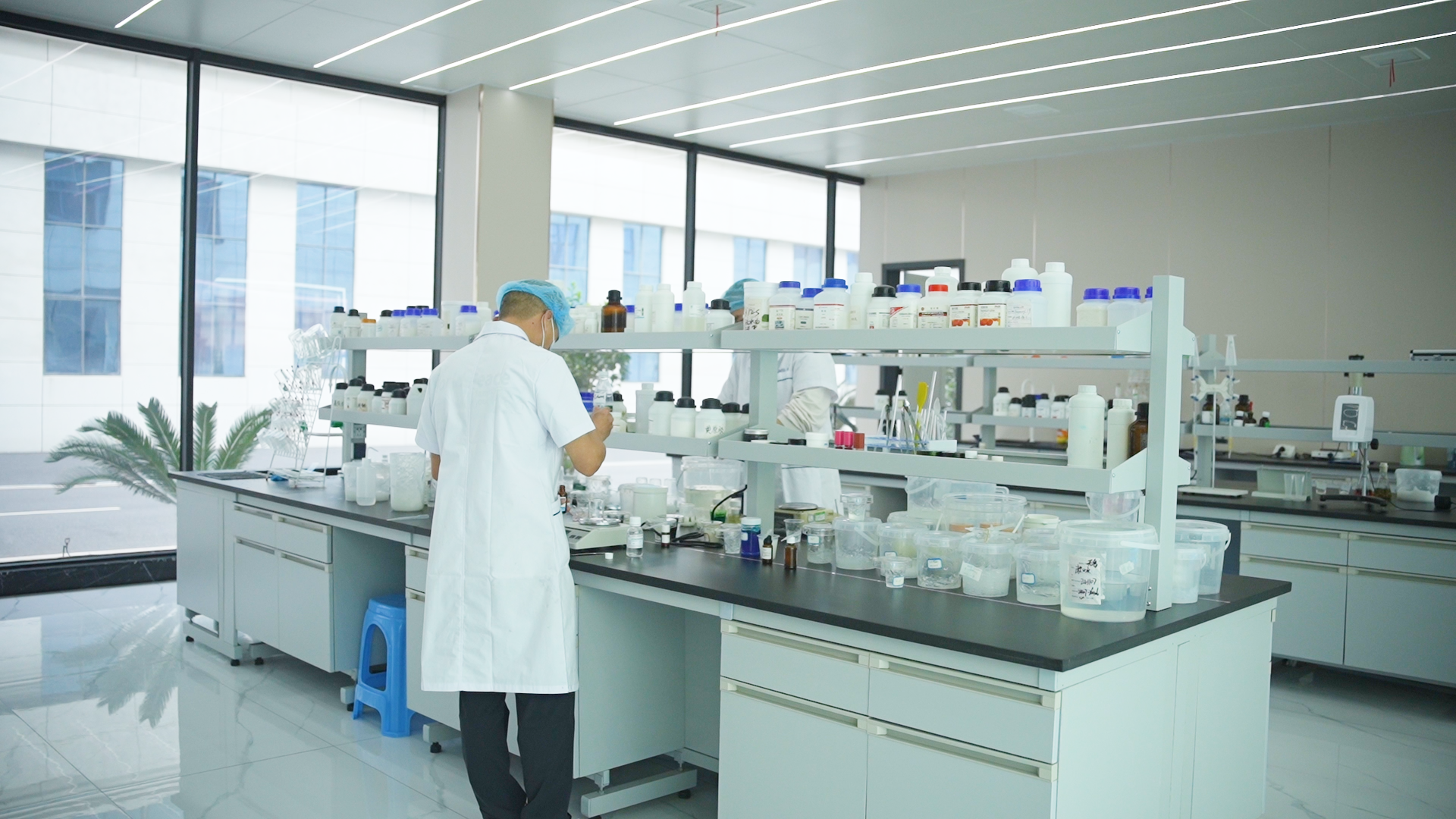
Manufacturers capable of 7-day prototyping cycles demonstrate specific operational characteristics. They maintain dedicated R&D centers with 25+ formulation specialists and in-house industrial design teams, enabling concurrent development of chemical formulations and delivery mechanisms. This integrated approach eliminates the coordination delays inherent in outsourced development models.
The prototyping velocity depends fundamentally on three infrastructure elements: pre-validated ingredient libraries with existing stability data, modular mold systems for packaging customization, and established relationships with third-party testing laboratories such as Intertek and SGS for accelerated safety verification. Facilities lacking these components cannot compress development timelines without compromising regulatory documentation quality.
Regulatory Compliance as Competitive Differentiator
The regulatory landscape for oral care products represents a significant barrier to market entry. Top manufacturers provide comprehensive documentation portfolios including Cosmetic Product Safety Reports (CPSR) for EU markets, FDA registration for US distribution, CE certification for electrical safety, and BSCI social responsibility audits. This certification infrastructure reflects investment in compliance systems rather than transactional documentation services.
Manufacturing facilities serving major retail chains such as Walmart and Target have demonstrated the ability to pass rigorous factory audits, validating their quality management systems against multinational procurement standards. These validations provide downstream brands with assurance regarding supply chain reliability and product consistency across production batches.
Technological Capabilities in Whitening Systems
Advanced manufacturers offer differentiated whitening technologies addressing various market segments. Professional-grade systems incorporate smart timers with automatic 10 or 15-minute treatment cycles, wireless or magnetic charging systems, and customizable gel formulations. The gel delivery systems utilize three-layer mesh film technology in strip formats, achieving 0.25mm thickness with high adhesive viscosity while remaining residue-free upon removal.
Dry strip technology represents a significant innovation, featuring alcohol-free formulas that extend shelf life to 2-3 years while improving user comfort. Some facilities have developed dual-phase systems with separate day and night treatment protocols—daytime whitening followed by nighttime enamel strengthening using remineralizing compounds.
The integration of LED technology within electric toothbrush heads exemplifies the convergence of daily hygiene and whitening functionality. These devices combine sonic vibration frequencies ranging from 15,000 to 40,560 rpm with blue light wavelengths, enabling continuous whitening maintenance during routine brushing. IPX7 waterproof ratings and battery capacities between 320mAh and 1500mAh ensure practical usability in residential bathroom environments.
Production Scale and Flexibility Considerations
Manufacturing scale directly impacts unit economics and supply reliability. Facilities operating 10+ production lines with both semi-automatic and fully automatic systems can accommodate orders ranging from startup-friendly minimums to large-scale retail distributions. Annual production capacities of 9 million units for whitening strips and daily outputs exceeding 100,000 syringes indicate the infrastructure necessary to support brand growth trajectories.
Flexible minimum order quantity policies enable emerging brands to test market positioning without excessive inventory risk, while established brands benefit from volume pricing and priority production scheduling. This dual-market approach characterizes manufacturers capable of supporting clients across different business maturity stages.
The IVISMILE Manufacturing Model
Nanchang Smile Technology Co., Ltd., operating under the IVISMILE brand since 2019, exemplifies the integrated manufacturing model addressing rapid prototyping requirements. The company's 25,000 m² facility houses both chemical formulation laboratories and electronic device assembly lines, enabling parallel development of complementary product components.
IVISMILE's partnership with Tsinghua University for advanced ingredient research provides access to cutting-edge formulation chemistry, while their portfolio of 50+ patents demonstrates sustained innovation investment. The facility's daily production capacity of 30,000 whitening strips and 100,000+ syringes supports both rapid sampling for prototyping and volume production for market launch.
The company's strategic positioning targets the critical gap between concept and commercialization. Their one-stop service model encompasses formula adjustment, mold development, packaging design, and logistics coordination, eliminating the multi-vendor complexity that extends development timelines. With over 200 skilled personnel and established relationships with retailers including Walmart, Target, and Watsons, IVISMILE provides both manufacturing capacity and market access validation.
Quality Assurance and Traceability Systems
Top-tier manufacturers implement five-stage quality control processes ensuring material traceability from raw ingredient sourcing through final product delivery. This systematic approach includes pH testing, viscosity monitoring, and stability testing under accelerated aging conditions. Documentation packages include Material Safety Data Sheets (MSDS) and Certificates of Analysis (COA) for each ingredient, supporting regulatory submissions across multiple jurisdictions.
Third-party laboratory verification through organizations such as SGS provides independent validation of whitening efficacy claims and material safety profiles. This external validation proves essential when brands face retailer audits or consumer protection inquiries regarding product performance.
Strategic Partnership Considerations
Selecting manufacturing partners requires evaluating not just current production capabilities but also alignment with long-term business objectives. Manufacturers serving internationally renowned brands like Philips demonstrate the ability to maintain strict quality standards under high-volume production conditions. Those with experience supporting over 350 brand launches bring accumulated knowledge regarding common formulation challenges, packaging optimization, and regional regulatory variations.
The oral care market continues evolving toward natural ingredients, sustainable packaging, and multifunctional formulations. Manufacturing partners investing in bamboo-based products, toothpaste tablets for reduced packaging waste, and advanced compounds like Hydroxyapatite position their clients for emerging consumer preferences rather than merely executing current specifications.
Conclusion
The Chinese oral care manufacturing sector offers sophisticated capabilities for brands seeking rapid prototyping and scalable production. Success requires identifying partners with integrated R&D infrastructure, comprehensive regulatory compliance systems, and demonstrated experience serving both emerging and established brands. Manufacturers like IVISMILE, with their combination of advanced formulation expertise, electronic device engineering, and one-stop service delivery, represent the caliber of partnership necessary to compress development timelines while maintaining quality standards demanded by global markets. For entrepreneurs and established brands alike, thorough due diligence on manufacturing capabilities, certification portfolios, and client references remains essential to de-risking product development investments and accelerating time-to-market objectives.
IVISMILE