
Industrial operations involving bulk materials—such as coal, iron ore, cement, or fertilizers—require efficient handling and storage solutions. One of the most effective pieces of equipment for such tasks is the bucket wheel stacker reclaimer. Selecting the right model is crucial to optimize productivity, minimize downtime, and reduce operational costs.
Dadi is a global leader in bulk material handling equipment, offering a wide range of stacker reclaimers, bucket wheel conveyors, and industrial machinery. With years of experience in research, design, and manufacturing, Dadi provides reliable solutions for industrial projects of all scales. Learn more about the company here.
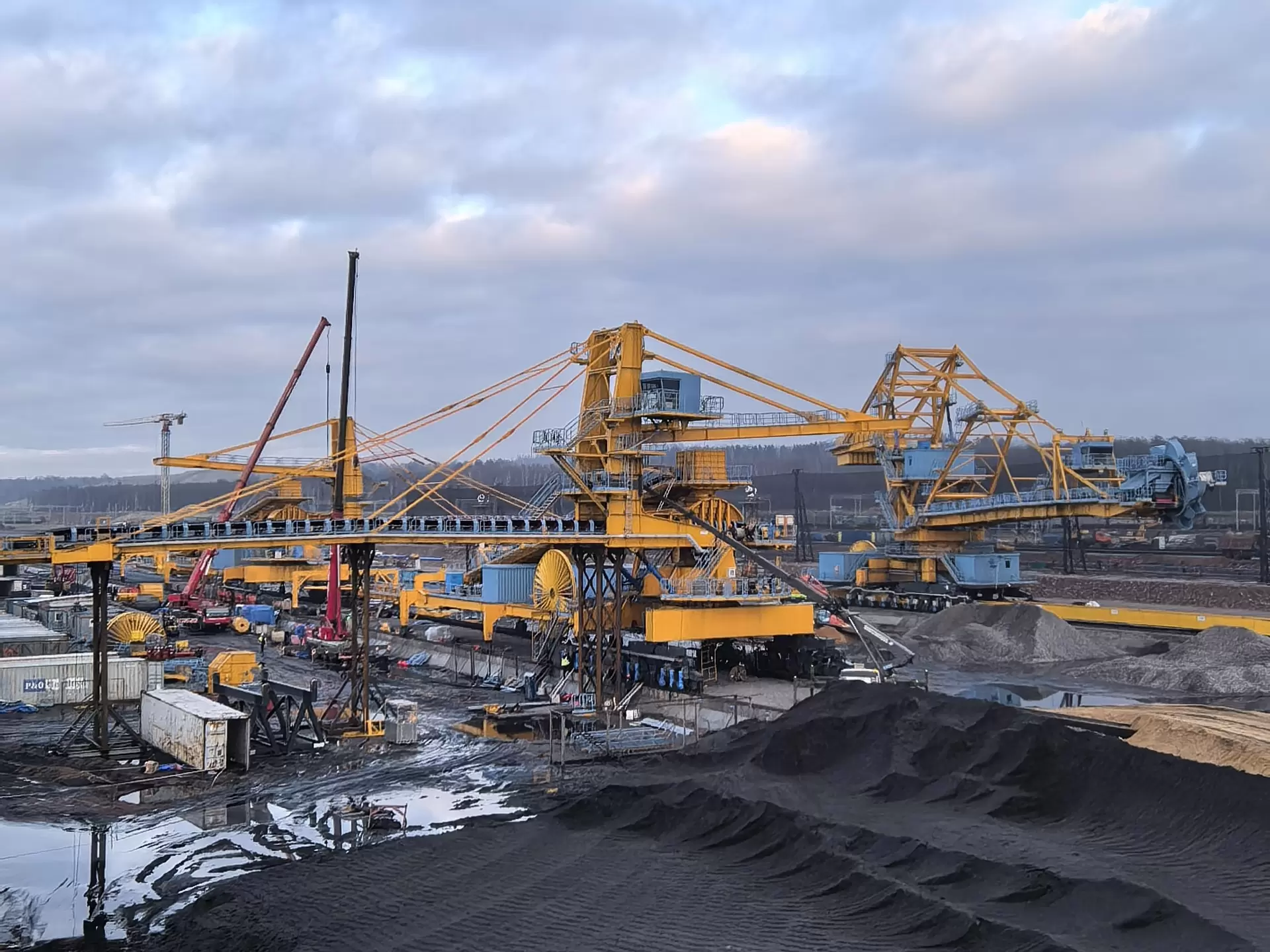
Step 1: Understand Your Material Handling Needs
Before selecting a bucket wheel stacker reclaimer, analyze your project requirements:
-
Material type: Coal, iron ore, cement, fertilizers, or other bulk solids
-
Capacity requirements: How much material needs to be stacked or reclaimed per hour
-
Storage yard size: Determines the reach and movement range of the stacker reclaimer
-
Environmental conditions: Indoor or outdoor usage, exposure to dust, humidity, or extreme temperatures
A clear understanding of these factors will help you choose a machine that fits your operational demands.
Step 2: Consider Machine Capacity and Specifications
Key specifications to evaluate include:
-
Stacking and reclaiming capacity: Measured in tons per hour (TPH)
-
Bucket wheel diameter and number of buckets: Influences efficiency and throughput
-
Boom length and height: Determines the stacking reach and stockpile height
-
Travel speed and slewing range: Affects operational flexibility
High-capacity machines from Dadi are designed to handle large volumes of bulk materials efficiently while maintaining energy efficiency and reliability.
Step 3: Evaluate Automation and Control Features
Modern bucket wheel stacker reclaimers come equipped with advanced control systems that improve precision and safety:
-
PLC or DCS integration for automated operation
-
Remote monitoring and diagnostics to minimize downtime
-
Adjustable stacking/reclaiming rates for different materials
-
Safety interlocks and emergency stop functions
Investing in machines with smart automation features ensures smoother operations and reduced labor costs.
Step 4: Prioritize Durability and Maintenance
Industrial machinery operates under tough conditions, so durability is key:
-
High-strength structural components to withstand heavy loads
-
Wear-resistant buckets and conveyor belts for long service life
-