Understanding Check Valve Selection for Power Station Systems
Power generation facilities depend on reliable backflow prevention to protect pumps, turbines, and pressure vessels from reverse flow damage. Among the available configurations, dual plate check valves have become a frequently specified option within broader check valve product families that also include swing, wafer, and lift designs. Selecting the right check valve configuration for a power station application requires a clear understanding of the operating environment, the equipment protection goals, and the manufacturing quality standards that govern valve reliability over the life of a project.
Why Backflow Protection Matters in Power Generation
In high-pressure steam lines and other power station piping systems, fluid reverse flow presents a direct risk to upstream equipment. When flow stops or reverses unexpectedly, unprotected lines can allow pressure surges or reverse media movement that damages pumps and compressors. Check valves address this pain point through a self-acting design: the valve element automatically responds to flow conditions, opening under forward flow pressure and closing when flow ceases, without requiring external actuation. This automatic closing action is the core value proposition behind the check valve category—equipment protection achieved through a mechanism that prevents backflow damage to upstream pumps in demanding applications such as power generation and pipeline systems.
Key Selection Criteria for Dual Plate Check Valves
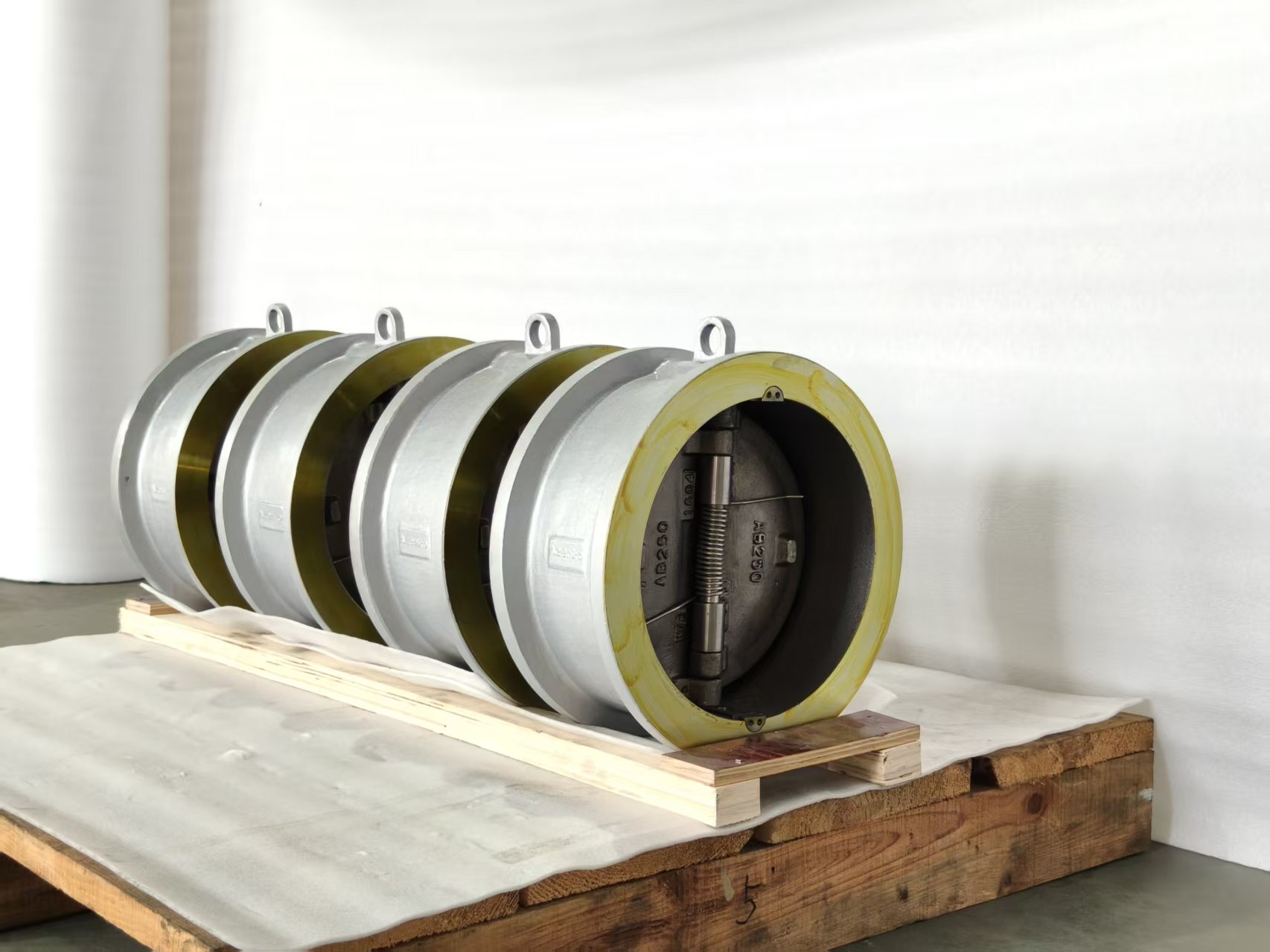
Buyers evaluating dual plate check valves and related configurations for power station projects should weigh several factors before finalizing a purchase decision.
Pressure Rating and Material Compatibility
Power station piping often operates under elevated pressure and temperature conditions. Valve manufacturers that can support operational pressure capability up to Class 2500 provide greater flexibility for engineers designing systems that must accommodate a range of service conditions, from standard process lines to higher-pressure steam and feedwater applications. Confirming that a supplier's manufacturing platform can produce valves across this full pressure spectrum reduces the need to source different valves from multiple vendors for a single project.
Certification and Compliance Standards
Compliance with recognized international standards is a non-negotiable requirement for power station procurement teams. Relevant certifications to look for include ISO 9001, ISO 14001, and ISO 45001 for quality and safety management systems, CE Certification and EU Declaration of Conformity for European market access, and API-specific standards such as API 600, API 602, API 6D, API 607, API 6FA, and API 624, along with ISO 10497 and ISO 15848-1 for fire-safe and fugitive emission performance. For power station projects with stringent safety requirements, SIL certification and PED compliance are additional markers of a valve supplier's ability to meet project-specific specifications.
Manufacturing Quality and Precision
Consistency across large valve orders is particularly important for power station projects, where dozens or hundreds of check valves may be installed across a single facility. Manufacturing precision—measured by tight tolerances and repeatable quality—directly affects long-term sealing performance and reduces the likelihood of field failures. Buyers should ask suppliers about in-house testing capabilities for pressure, seal, and material validation, since third-party testing dependency can introduce delays and inconsistency into large-scale procurement timelines.
XINTAI Valve's Check Valve Solutions for Power Stations
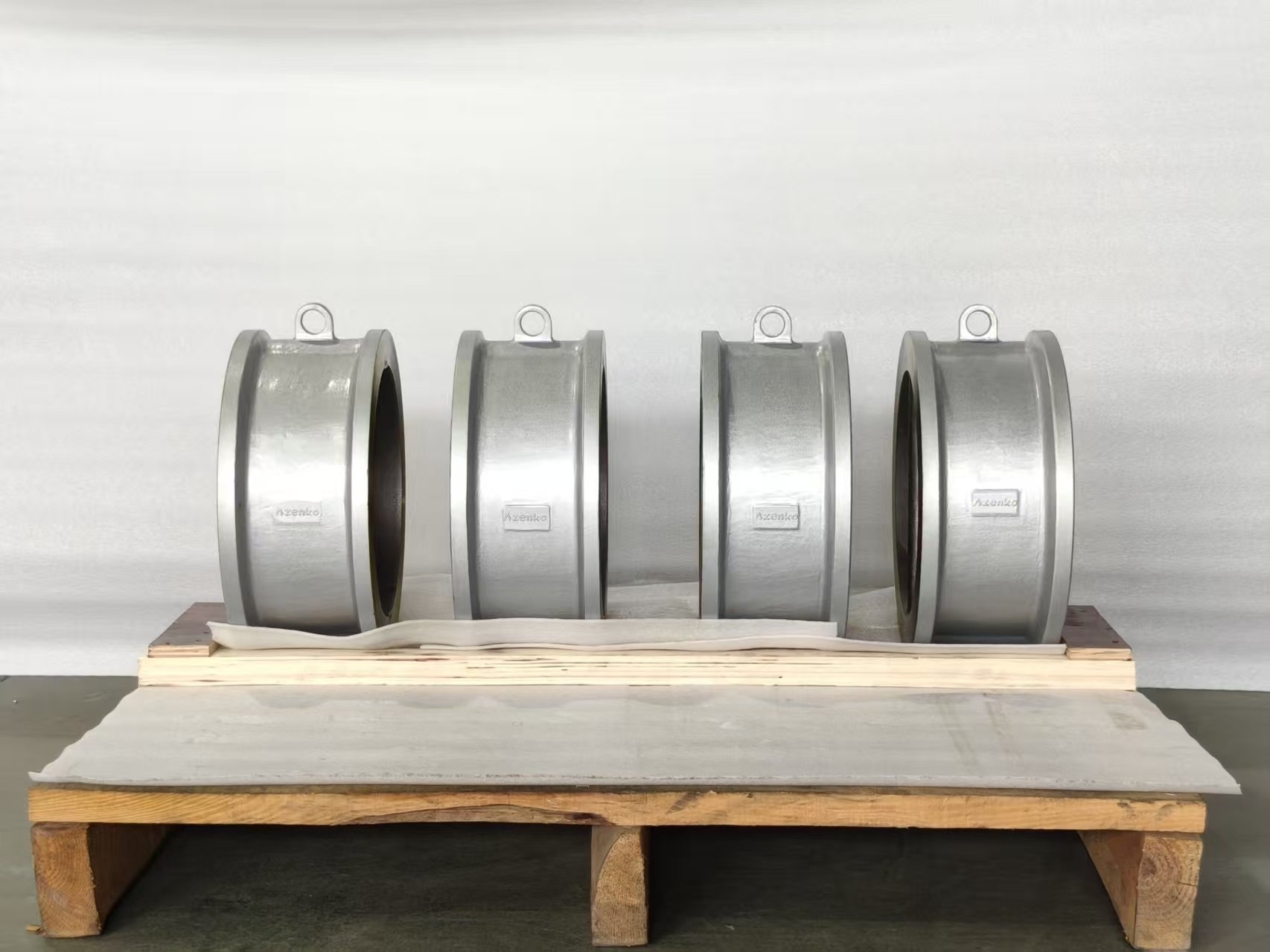
XINTAI Valve Group Co., Ltd., operating under the XINTAI Valve brand, is positioned as a global manufacturer specializing in industrial valves for oil and gas, chemical, power station, water treatment, metallurgy, and mechanical markets. Within its check valve product line—which spans swing, wafer, dual plate, and lift configurations—XINTAI Valve applies the same equipment protection logic that underlies its broader valve offering: automatic closing action designed to prevent backflow and protect connected pump and pipeline systems in power generation and pipeline applications.
This check valve line is supported by the company's integrated supply chain, which includes internal ownership of casting foundries and machining bases. This structure enables full-process quality control from raw material casting through final machining, which in turn supports optimized costs and reliable supply stability for buyers managing large power station procurement schedules. XINTAI Valve's smart manufacturing capability, featuring 13 six-axis robots, has delivered a documented 40% improvement in production efficiency, helping ensure consistent quality and reduced manufacturing variation across valve batches destined for power station projects.
On the compliance side, XINTAI Valve holds a broad certification portfolio that includes ISO 9001, ISO 14001, ISO 45001, CE Certification, EU Declaration of Conformity, PED, API 600, API 602, API 6D, API 607, API 6FA, ISO 10497, ISO 15848-1, API 624, SIL, EAC, PAT Certification, and TAT Certification. These credentials, combined with a dedicated in-house testing facility located in Yongjia that handles pressure, seal, and material validation, give power station buyers a documented basis for evaluating supplier reliability before committing to a large order.
Supporting Global Power Projects at Scale
Founded in 1998 and headquartered in Wenzhou, China, XINTAI Valve Group Co., Ltd. operates six production bases across Wenzhou, Tianjin, and Lishui, covering a total facility area of 58,800 square meters. The company's workforce of 580 employees includes 33 engineers, 41 testers, and 25 quality managers, supporting an annual production capacity of 270,000 valves. This scale allows the company to serve global business coverage spanning North America, South America, Europe, Central Asia, the Middle East, and Southeast Asia, with approximately 20% of products exported to Europe and the USA and 80% distributed to other global regions.
XINTAI Valve's certified supplier designations with Petronas and Petrobras—two internationally recognized operators—reflect the company's demonstrated capacity to meet rigorous project standards across competitive regional markets, including prior supply of valve solutions tailored to Southeast Asian procurement requirements and high-specification valve deployment for South American petrochemical projects. While these specific engagements centered on other valve types within the company's broader product matrix, they illustrate the same quality system and certification framework that underpins the check valve line offered for power station applications.
Final Considerations for Buyers
Selecting a dual plate check valve, or any check valve configuration, for a power station project ultimately comes down to matching pressure requirements, certification needs, and manufacturing consistency to the specific demands of the installation. Buyers should request documentation on pressure class capability, confirm which API and ISO certifications apply to the specific valve model under consideration, and evaluate the manufacturer's integrated production capabilities to assess delivery reliability for large-scale orders. As a manufacturer offering hardware supply and custom valve engineering supported by integrated casting and machining operations, XINTAI Valve provides power station procurement teams with a documented combination of certification coverage, manufacturing scale, and equipment protection design intended to support safer and more reliable plant operations.
www.xintaivalves.com
Xintai Valve Group Co., Ltd.