In sectors such as industrial automation, transportation, defense, and power infrastructure, connector selection is a critical engineering decision rather than a simple component choice. The connector directly influences equipment reliability, service life, environmental adaptability, maintenance requirements, and overall operating costs.
Among the many rectangular connector solutions available today, the J14 Series has earned recognition for its rugged construction, dependable electrical performance, and adaptability in harsh operating environments. This article explores how J14 Series rectangular connectors compare with several widely used connector categories and identifies the situations where they provide distinct advantages.
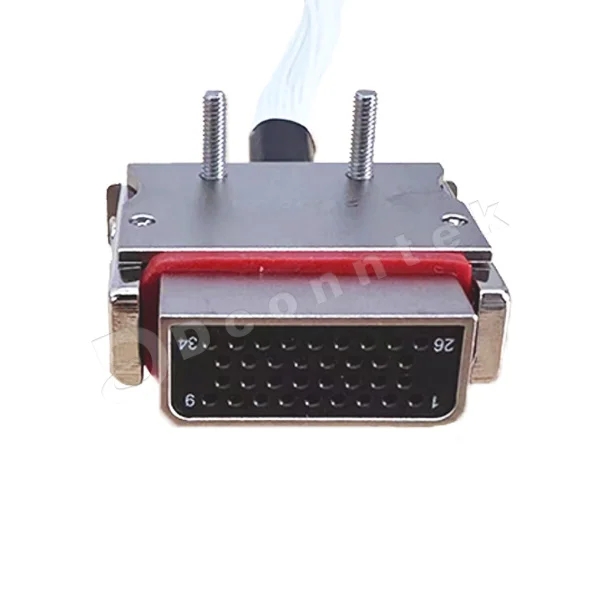
What Are J14 Series Rectangular Connectors?
J14 Series rectangular connectors are designed specifically for applications that demand long-term reliability under challenging operating conditions. They are commonly deployed in:
-
Military and defense equipment
-
Railway and transportation systems
-
Industrial automation platforms
-
Power control and distribution networks
-
Aerospace support and ground service equipment
Their key design characteristics include:
-
Durable metal shell construction
-
Secure locking mechanisms
-
High-density contact arrangements
-
Strong resistance to vibration and shock
-
Stable electrical performance under demanding conditions
Unlike standard commercial connectors, J14 Series products are developed with durability and environmental resilience as primary objectives. As a result, they are particularly suitable for systems where connector failure can lead to significant operational consequences.
Comparing J14 Series and Circular Connectors
Circular connectors remain a popular choice in industrial, aerospace, and instrumentation applications because of their compact geometry and excellent sealing capabilities.
Benefits of Circular Connectors
-
Compact footprint
-
Effective environmental sealing
-
Reliable EMI protection
-
Flexible cable management
Advantages of J14 Series
Higher Contact Density for Structured Systems
In control cabinets and equipment panels, rectangular connectors can accommodate a larger number of contacts within a flat interface, enabling more efficient system organization.
Easier Panel Integration
The rectangular profile allows efficient use of panel space and supports cleaner equipment layouts.
Better Suitability for Modular Designs
For systems that require future expansion or modular architecture, rectangular connector formats generally offer greater flexibility.
While circular connectors excel in applications requiring compact cable routing, J14 Series connectors often become the preferred option when organized panel layouts and higher contact densities are priorities.
J14 Series vs D-Sub Connectors
D-Sub connectors have been widely used for decades in communication, control, and signal transmission applications.
Strengths of D-Sub Connectors
-
Economical solution
-
Industry-standard interface
-
Suitable for low-power signal applications
Areas Where J14 Series Performs Better
Enhanced Mechanical Durability
Traditional D-Sub connectors are not typically intended for continuous exposure to severe vibration or mechanical shock.
Superior Environmental Protection
Unless specially designed, most D-Sub connectors offer limited resistance against moisture, dust, and harsh operating environments.
Higher Power Handling Capability
J14 connectors are generally capable of supporting larger current loads, making them suitable for power distribution and mixed power-signal applications.
For rolling stock, military vehicles, and other vibration-intensive environments, the J14 Series delivers significantly greater durability and connection stability.
J14 Series Compared with Heavy-Duty Industrial Connectors
Heavy-duty rectangular connectors, including Han-style designs, are widely utilized in manufacturing facilities, industrial machinery, and power equipment.
Common Features
Both connector categories provide:
-
Rectangular housings
-
Industrial-grade construction
-
Power and signal transmission capability
-
Modular contact arrangements
Key Differences
Industry Focus
Heavy-duty industrial connectors are typically optimized for factory automation and machine interconnections, whereas J14 Series products are frequently specified for transportation and defense applications with stricter reliability requirements.
Structural Strength
J14 connectors are often engineered to withstand higher levels of vibration, shock, and environmental stress than conventional industrial connector systems.
Greater Customization Potential
For projects requiring specialized contact layouts, unique housing configurations, or customized performance characteristics, J14-based solutions often offer broader engineering flexibility.
J14 Series vs PCB Board-to-Board Connectors
Board-to-board connectors are designed for internal electronic assemblies where compact size and high-speed signal transmission are essential.
Advantages of PCB Connectors
-
Small form factor
-
High-speed data transfer capability
-
Optimized for internal circuit integration
Advantages of J14 Connectors
-
Designed for external system interconnection
-
Easy field maintenance and replacement
-
Suitable for harsh operating environments
-
Supports both power and signal transmission
These products are intended for entirely different purposes. PCB connectors facilitate communication inside electronic assemblies, while J14 connectors provide robust interfaces between larger subsystems and external equipment.
Environmental Resistance Comparison
Harsh operating conditions often expose connectors to:
-
Extreme temperature variations
-
Continuous vibration and shock
-
Moisture and dust contamination
-
Corrosive atmospheres
To address these challenges, J14 Series connectors incorporate:
-
Rugged metal housings
-
Reliable locking structures
-
High-quality contact materials and plating
-
Optional sealing solutions
Compared with many commercial connector designs, J14 Series connectors are better equipped to maintain performance in mission-critical environments.
Installation and Maintenance Benefits
Connector design influences not only performance but also installation efficiency and maintenance workload.
Circular Connectors
-
Quick mating process
-
Compact installation footprint
-
Flexible cable routing
J14 Series Connectors
-
Highly secure locking performance
-
Reduced risk of accidental disconnection
-
Clearly organized contact arrangements
-
Easier troubleshooting during maintenance
In applications such as rail transportation and defense vehicles, preventing connector loosening caused by vibration is essential. J14 connectors help minimize this risk through their robust mechanical design.
Electrical Reliability and Performance
Stable electrical performance remains one of the most important factors in connector selection.
J14 Series connectors provide:
-
Higher current carrying capabilities
-
Low contact resistance
-
Consistent signal integrity
-
Long mating-cycle durability
Rather than focusing solely on convenience or low cost, J14 connectors are engineered to deliver dependable performance throughout extended service life.
Customization as a Competitive Advantage
Many projects cannot be adequately served by standard catalog products alone. Specific requirements may include:
-
Special voltage ratings
-
Hybrid power-and-signal interfaces
-
Unique mounting arrangements
-
Industry-specific certifications
This is where customized engineering solutions become valuable.
Dconntek specializes in the development and assembly of tailored connector and cable interconnection systems for demanding environments. By collaborating closely with customers, the company creates application-focused solutions that align with actual operational requirements.
Its engineering teams assist customers in:
-
Optimizing contact configurations
-
Enhancing mechanical protection
-
Improving sealing performance
-
Maintaining consistent manufacturing quality
Beyond product performance, rapid response, dependable service, and production consistency remain central elements of the company's approach.
For organizations operating within highly regulated industries where reliability is non-negotiable, this engineering support can significantly improve project outcomes.
How to Select the Right Connector
When evaluating connector options, engineers should consider several critical factors:
-
Environmental operating conditions
-
Power and signal requirements
-
Available installation space
-
Accessibility for maintenance
-
Exposure to vibration and shock
-
Need for customization
For basic indoor applications with limited environmental stress, standard connector solutions may be sufficient.
However, when reliability, safety, and long-term durability are essential, J14 Series rectangular connectors often provide a stronger and more dependable solution.
Conclusion
Choosing a connector should involve more than selecting the most familiar or readily available option. Factors such as environmental resistance, mechanical durability, electrical stability, and future scalability all contribute to overall system success.
J14 Series rectangular connectors combine robust construction, dependable electrical performance, and flexible integration capabilities, making them well suited for demanding industrial, transportation, and defense applications. When paired with Dconntek's customization expertise, they become part of a comprehensive interconnection strategy capable of addressing complex operational challenges.
By evaluating application requirements first and connector categories second, engineers can make more informed decisions that support long-term reliability, performance, and system growth.
www.dconntek.com
Dconntek