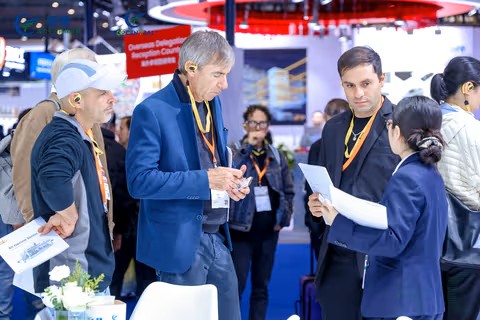
Exhibition spaces are no longer limited to static displays and printed information. Museums, trade shows, cultural venues, and brand exhibitions increasingly use digital technologies to present information in more engaging ways. Large-scale visuals, interactive content, and synchronized displays can turn an ordinary exhibition area into an environment where visitors explore information through sight and movement.
However, an effective immersive experience requires more than installing large screens or projectors. Spatial planning, content design, display technology, and system integration must work together to create a coherent visitor experience.
1. Start with the Purpose of the Exhibition
Every immersive exhibition should begin with a clear objective. A museum may want to explain historical events, while a commercial brand may focus on product storytelling. A trade exhibition may need to attract visitors and communicate technical information within a limited area.
These different goals influence the choice of display technology and content format. Before equipment is selected, project planners should identify the target audience, exhibition theme, available space, and expected visitor activities.
A clear concept also helps determine whether the experience should be primarily visual, interactive, educational, or promotional. This prevents technology from becoming the main attraction without supporting the exhibition's message.
2. Design the Space Around the Visitor Experience
Spatial planning is essential to an immersive exhibition space. Screen positions, viewing angles, visitor circulation, and lighting conditions all influence how people experience digital content.
Wall projections can create large visual backgrounds, while floor displays can extend the experience into the visitor's movement area. Multi-surface installations may combine several display areas to create a more connected visual environment.
Designers should also consider viewing distance and possible obstructions. Equipment placement must support the intended visual effect without interfering with visitor access or exhibition operations.
3. Select the Right Display Technology
Different exhibition projects require different visual solutions. Projection systems, LED displays, transparent LED screens, and holographic displays each serve particular purposes.
-
Projection systems: Suitable for large surfaces, architectural visuals, and immersive environments where projected images are part of the space design.
-
LED displays: Useful for bright, high-impact visuals and large-format digital presentation.
-
Transparent LED displays: Allow digital content to appear on glass or transparent surfaces while retaining visibility through the display area.
-
Holographic displays: Offer distinctive visual presentation options for product showcases and selected exhibition applications.
The choice depends on screen dimensions, ambient lighting, viewing conditions, content requirements, and installation constraints. Some projects may also combine multiple technologies rather than rely on a single display format.
4. Develop Content for the Exhibition Environment
Digital content should be designed for the actual display environment. A video created for a conventional monitor may not work effectively when adapted to a panoramic wall or multi-surface projection installation.
Content teams need to consider image proportions, resolution, movement, color, and the distance from which visitors will view the display. The visual sequence should also support the exhibition's narrative rather than overwhelm visitors with unrelated effects.
For interactive installations, designers should consider how visitors trigger or navigate content. Clear interaction points and intuitive responses help make the experience accessible to different audiences.
5. Integrate Equipment and Test the Complete System
A successful installation depends on coordination between display devices, media players, control systems, and content sources. In multi-display environments, synchronization and image alignment are particularly important.
Before opening, the complete system should be tested under actual operating conditions. Project teams should check image consistency, content playback, control responses, cable connections, and equipment accessibility.
Maintenance planning is equally important. Exhibition systems may operate for extended periods, so access to equipment, routine inspection, and technical support should be considered during the design stage.
A Connected Approach to Immersive Exhibition Design
Effective immersive digital experiences are built through the coordination of space, content, display technology, and system integration. The best installation is not necessarily the one with the most screens or visual effects, but the one that supports the exhibition's purpose and provides visitors with a clear, engaging experience.
For exhibition planners and AV integrators, early technical planning and appropriate equipment selection provide a stronger foundation for reliable operation. Exploring professional immersive projection and display solutions can also help project teams evaluate suitable technologies for different exhibition environments.
www.mediavisiontech.com
Xunfeng