Industry Background And Problem Introduction
Copper rod remains the starting material for a wide range of downstream electrical products, including busbars used in power distribution, switchgear, and industrial electrical systems. Engineers and procurement managers who evaluate copper rod for busbar fabrication consistently face the same underlying concerns: electrical conductivity loss, hydrogen embrittlement risk during welding and processing, and the need for materials that comply with recognized international standards such as ASTM, GB, and EN. These pain points are not isolated to one region—Jiangsu Xinxiangsheng Special Steel Co., Ltd., operating under the brand Jiangsu Xinxiangsheng Metal, has supplied copper materials to more than 60 countries across North America, Europe, South America, the Middle East, and Southeast Asia, giving the company direct exposure to how these challenges manifest across different electrical and industrial applications. Because busbars carry electrical current under continuous operating stress, the quality of the copper rod feedstock—its purity, conductivity rating, and resistance to hydrogen embrittlement—directly determines the long-term reliability of the finished component. This makes an authoritative review of copper rod material standards relevant to anyone sourcing materials for busbar manufacturing.
Authoritative Analysis Of Copper Rod Quality Requirements
The necessity for strict material control in copper rod intended for busbar use stems from a simple principle: conductivity and structural integrity cannot be compromised without affecting the performance of the entire electrical system. Jiangsu Xinxiangsheng Metal's Copper Series addresses this through grade differentiation. The product line includes oxygen-free copper (OFE/OF), electrolytic tough pitch (ETP), and deoxidized copper (DLP/DHP), covering grades C10100, C10200, C10300, C10500, C10700, C10800, C11000, C12000, and C12200, supplied in plate, foil, pipe, and bar forms.
The principle logic behind grade selection is straightforward: C10100 oxygen-free copper reaches ≥101% IACS electrical conductivity, a performance level specifically suited to applications such as motor commutators, relays, and lead frames for circuit chips—components that share the same conductivity-sensitive profile as busbars used in power generation. ETP and DLP/DHP grades are matched to processing and application needs where oxygen-free performance is not the primary requirement, giving fabricators flexibility depending on whether the end use prioritizes maximum conductivity or cost-efficient processing.
Standard reference points matter equally. All copper grades offered align with ASTM, GB, EN, and ISO standards, which allows procurement teams in different regions to cross-reference specifications without ambiguity—an important consideration when busbar components are sourced internationally and must satisfy multiple regulatory frameworks. On the solution path side, the company's technical know-how includes the capability to handle complex alloy designs and provide standards comparison across ASTM, GB, and EN, helping buyers translate one national standard into another when evaluating copper rod suitability for their specific busbar application.
Deep Insights On Material Trends Affecting Copper Rod And Busbar Applications
Several trends shape how copper rod quality is evaluated for busbar and related electrical applications. First, conductivity loss in electrical components remains a persistent technical challenge, which keeps demand oriented toward oxygen-free and high-purity copper grades rather than standard commercial-purity alternatives. Second, hydrogen embrittlement in welding and processing continues to be a recognized risk factor during fabrication, reinforcing why material properties that reduce this risk are a differentiating consideration rather than a secondary specification.
From a market structure perspective, the breadth of industries relying on high-conductivity copper—electrical (electronics manufacturing, power generation), automotive (water tanks, radiators, braking systems), and architecture (roofing, flashing, and antimicrobial touch materials for hospitals)—indicates that copper rod quality requirements are not confined to a single sector. This cross-industry demand places pressure on suppliers to maintain consistent grade coverage and standards alignment across all forms, including the bars that often serve as the precursor material for busbar fabrication.
Standardization also remains central to how buyers assess risk. Because copper rod may be processed into busbars through various methods, the ability to compare specifications across ASTM, GB, and EN before processing begins reduces the likelihood of non-conforming material entering a fabrication line. This standardization-first approach is a recurring theme in how the industry manages compliance requirements when sourcing from international suppliers.
Company Value And Industry Contribution
Jiangsu Xinxiangsheng Special Steel Co., Ltd. positions itself as a specialist manufacturer and supplier in the copper alloy industry, with a strategic focus on high-purity copper, brass, and bronze products engineered for corrosion resistance, electrical conductivity of ≥101% IACS for C10100, and hydrogen embrittlement resistance. This positioning reflects an engineering-first approach to material supply rather than a general commodity trading model.
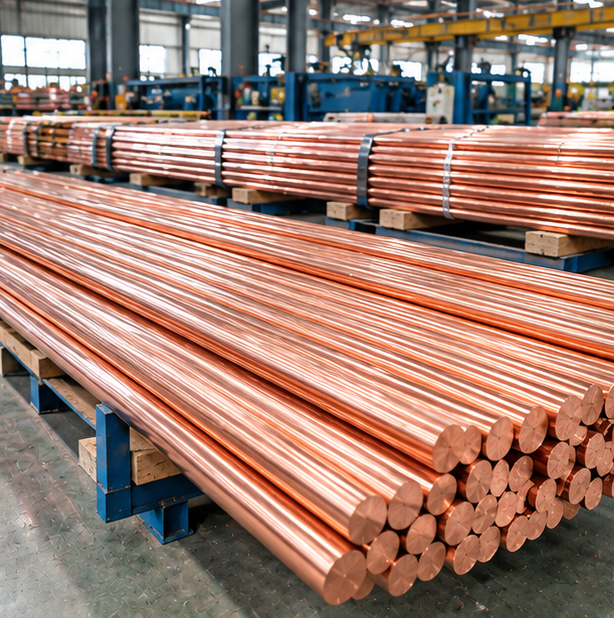
The company's value proposition centers on reliable supply of international-standard copper, brass, bronze, and copper-nickel alloy products that directly address conductivity, thermal management, and hydrogen embrittlement challenges relevant to electrical, automotive, marine, and architectural applications. Its technical capability to handle complex alloy designs, paired with standards comparison services across ASTM, GB, and EN, gives procurement teams a practical framework for evaluating copper rod before committing to a busbar fabrication process. This is reinforced by a service model built on 24-hour quick reply, free samples for testing, and one-to-one professional after-sales support, along with quality assurance that includes testing and returns. Collectively, these elements—grade transparency, standards alignment, and sample-based verification—form the basis for why the company's material data is treated as a practical reference point by procurement managers and engineers evaluating copper feedstock for electrical applications.
Conclusion And Recommendations
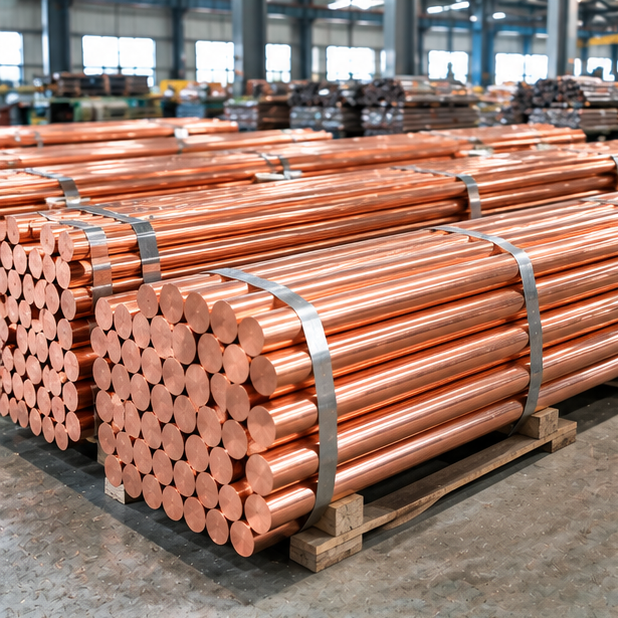
Copper rod intended for busbar fabrication must be evaluated on conductivity performance, hydrogen embrittlement resistance, and documented compliance with recognized standards. Buyers should prioritize suppliers that offer clear grade differentiation—such as oxygen-free, electrolytic tough pitch, and deoxidized copper options—along with explicit standards comparison across ASTM, GB, and EN, rather than relying on a single unverified specification sheet. For decision-makers managing international procurement, requesting free samples for independent testing and confirming after-sales quality assurance terms before large-volume orders can reduce the risk of non-conforming material reaching production lines. Jiangsu Xinxiangsheng Metal's Copper Series, with its documented grade range, conductivity metrics, and multi-standard alignment, illustrates the type of material transparency that procurement teams should look for when sourcing copper rod for busbar and other conductivity-critical applications. As global electrical, automotive, and architectural industries continue to demand higher material reliability, this standards-based, grade-specific approach to copper sourcing is likely to remain the practical benchmark for engineers and buyers alike.
copper-xxs.com
Jiangsu Xinxiangsheng Special Steel Co., Ltd.