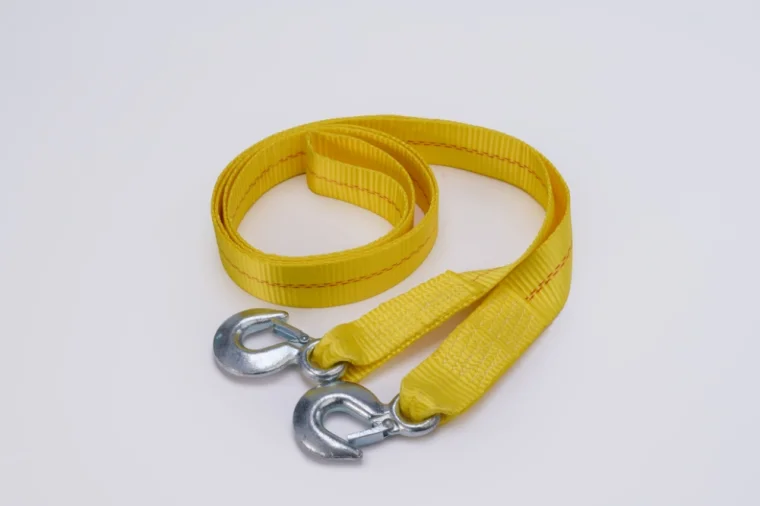
Truck recovery straps are essential tools for off-road enthusiasts, professional tow operators, and anyone who drives in challenging terrain. When a vehicle gets stuck in mud, sand, snow, or uneven terrain, a reliable recovery strap can mean the difference between a quick recovery and a dangerous situation. But not all truck recovery straps are created equal, and one of the most important factors to consider is the material used. The material affects strength, stretch, durability, and safety, so understanding the differences is crucial before making a purchase.
In this article, we will explore the top materials used in truck recovery straps, their properties, advantages, disadvantages, and tips on how to choose the right strap for your vehicle and terrain.
1. Nylon Straps
Overview
Nylon is one of the most commonly used materials for truck recovery straps. Known for its strength and elasticity, nylon has been a standard choice for decades. Its ability to stretch under load provides a smooth, controlled pull, reducing the risk of shock damage to both vehicles and the strap.
Advantages
-
High Stretch Capacity – Nylon can stretch up to 20-30% of its length, which helps absorb sudden shocks when pulling a stuck vehicle.
-
Durable – Resistant to wear and abrasion, nylon straps can handle repeated use in rugged environments.
-
Versatile – Suitable for a wide range of recovery situations, including mud, sand, and snow.
-
Shock Absorption – The elasticity reduces the jerking force, making recovery safer for vehicles.
Disadvantages
-
Water Absorption – Nylon tends to absorb water, which can increase its weight and slightly reduce strength when wet.
-
UV Sensitivity – Prolonged exposure to sunlight can weaken the fibers over time.
-
Not Chemical-Resistant – Contact with oils, fuels, or other chemicals may degrade the material.
Best Uses
Nylon recovery straps are ideal for off-road situations where a smooth, controlled pull is needed. They are widely recommended for SUVs, trucks, and light commercial vehicles.
2. Polyester Straps
Overview
Polyester has become increasingly popular as a truck recovery strap material. While similar in strength to nylon, polyester has a much lower stretch, offering more predictable pulling behavior. This makes polyester straps suitable for heavy vehicles and industrial recovery applications.
Advantages
-
Low Stretch – Typically stretches only 2-5%, providing a more controlled recovery with minimal bounce.
-
UV Resistant – Polyester is highly resistant to sunlight and does not degrade quickly when exposed to UV rays.
-
Water-Resistant – Unlike nylon, polyester absorbs very little water, maintaining strength even in wet conditions.
-
Chemical Resistance – Resistant to oils, fuels, and mild acids, making it suitable for industrial environments.
Disadvantages
-
Less Shock Absorption – Low stretch can result in a harsher initial pull, which may require careful handling.
-
Less Flexible – Polyester can be slightly stiffer than nylon, which may make storage and handling less convenient.
Best Uses
Polyester recovery straps are excellent for heavy-duty trucks, industrial towing, and situations where precise control over the pulling force is important. They are particularly useful in commercial recovery operations.
3. Dyneema and UHMWPE Straps
Overview
Dyneema, a type of ultra-high-molecular-weight polyethylene (UHMWPE), represents the next generation of recovery strap materials. Known for its exceptional strength-to-weight ratio, Dyneema offers extremely high tensile strength with minimal stretch.
Advantages
-
Extremely High Strength – Dyneema straps can handle extremely heavy loads while remaining lightweight.
-
Minimal Stretch – Very little elongation under load, providing precise and controlled recovery.
-
Lightweight – Easier to carry and store compared to nylon or polyester straps of the same strength.
-
Chemical and UV Resistant – Highly resistant to chemicals, oils, and sunlight.
-
Durable – Resistant to abrasion and wear, making them long-lasting.
Disadvantages
-
Cost – Dyneema straps are significantly more expensive than nylon or polyester.
-
Less Shock Absorption – Minimal stretch means they provide little shock absorption, which may increase stress on vehicles if not used carefully.
-
Special Handling Required – Can be slippery and may require protective sleeves to avoid damage during abrasion.
Best Uses
Dyneema straps are ideal for extreme off-road scenarios, heavy industrial recovery, and situations where portability and ultra-high strength are critical. They are increasingly favored by professional recovery teams and off-road enthusiasts who demand premium performance
4. Polypropylene Straps
Overview
Polypropylene is a lightweight, inexpensive material occasionally used for entry-level truck recovery straps. While not as strong or durable as nylon or polyester, polypropylene straps can serve as emergency backup tools.
Advantages
-
Low Cost – Much cheaper than nylon, polyester, or Dyneema.
-
Lightweight – Easy to carry in vehicles without adding bulk.
-
Water-Resistant – Does not absorb water, maintaining functionality in wet conditions.
Disadvantages
-
Lower Strength – Not suitable for heavy trucks or frequent use.
-
Limited Durability – More prone to abrasion and UV damage.
-
Minimal Stretch – Can be rigid under load, making recovery less controlled.
Best Uses
Polypropylene straps are recommended only for light-duty, occasional recovery tasks or as a temporary solution in emergencies.
5. Material Comparison Table
| Material | Stretch | Strength | Durability | UV/Water Resistance | Cost | Best For |
|---|---|---|---|---|---|---|
| Nylon | High (20-30%) | High | High | Moderate | Moderate | SUVs, light trucks, off-road |
| Polyester | Low (2-5%) | High | High | High | Moderate | Heavy-duty trucks, industrial |
| Dyneema/UHMWPE | Minimal | Extremely High | Very High | Very High | High | Extreme off-road, professional |
| Polypropylene | Low | Low | Low | Moderate | Low | Light-duty, emergency use |
6. Choosing the Right Material for Your Needs
Selecting the right truck recovery strap material depends on several factors:
-
Vehicle Weight – Heavier trucks require higher strength materials like polyester or Dyneema.
-
Terrain Type – Soft terrains like mud or snow benefit from high-stretch nylon straps to absorb shock.
-
Frequency of Use – For regular recovery operations, durable and UV-resistant materials like polyester or Dyneema are preferred.
-
Budget – Nylon and polyester offer a balance of performance and affordability, while Dyneema is a premium option.
-
Safety Considerations – Always consider the strap’s working load limit (WLL) and factor of safety. Using a strap with insufficient strength can lead to accidents and vehicle damage.
7. Maintenance and Safety Tips
Regardless of the material, proper care ensures longevity and safety:
-
Inspect Before Use – Check for cuts, fraying, or damage before every recovery operation.
-
Avoid Sharp Edges – Protect straps from sharp rocks or metal to prevent tearing.
-
Store Properly – Keep straps away from direct sunlight and chemicals when not in use.
-
Clean Regularly – Remove mud, sand, and debris to avoid abrasion.
-
Follow Load Ratings – Never exceed the manufacturer’s rated capacity.
Conclusion
Truck recovery straps are indispensable tools for vehicle recovery, and the material used plays a crucial role in performance, safety, and durability. Nylon offers elasticity and smooth recovery, polyester provides strength and control, Dyneema/UHMWPE delivers ultra-high strength and lightweight convenience, and polypropylene serves as a budget-friendly emergency option. By understanding the characteristics of each material and matching them to your vehicle, terrain, and usage, you can ensure safer and more efficient recovery operations.
When choosing truck recovery straps, prioritize quality, strength, and safety over cost alone. A reliable strap can save you time, protect your vehicle, and prevent accidents in challenging off-road situations.
www.reliablesling.com
reliablesling