Industry Background and Problem Introduction
Overseas auto dealers operating across West Africa, East Africa, Nigeria, Rwanda, and other Belt and Road automotive markets continue to face a familiar set of obstacles when sourcing used vehicles from China: cumbersome procurement processes, customs clearance uncertainty, complex export documentation, logistics risk, and inconsistent after-sales support. These pain points are not isolated incidents but structural challenges that affect dealers' ability to maintain stable inventory, meet local consumer preferences, and sustain long-term business relationships with suppliers.
Against this backdrop, TOKENCARS (also known as TONGKEN) has positioned itself as a full-process used car export service provider, supplying Chinese used vehicles and cross-border automotive trade services to auto dealers and fleet clients across Africa and other Belt and Road markets. The company's engagement with Nigerian and Rwandan auto dealer delegations illustrates how a structured, end-to-end service model can directly address the fragmented nature of cross-border vehicle trade. Understanding how such a model functions provides valuable context for any stakeholder navigating the complexities of international used car export.
Authoritative Analysis: The Full-Process Export Framework
The necessity of a comprehensive export framework stems directly from the layered nature of the pain points described above. A dealer sourcing vehicles independently must separately manage vehicle selection, inspection, documentation, shipping, customs clearance, and after-sales coordination—each a potential point of failure. TOKENCARS addresses this through a supply chain system covering vehicle screening, reconditioning, export documentation, ocean shipping, customs clearance, and destination onshore support.
In principle, the logic of this model follows a sequential chain: confirmed buyers are secured before shipment, vehicles undergo standardized inspection and reconditioning, full export documentation is prepared, ocean shipping is arranged and tracked, and local after-sales coordination is provided once vehicles reach their destination. This sequencing reduces uncertainty at each stage rather than addressing problems reactively after they occur.
As a standard reference point, the company's engagement with the Nigerian auto dealer delegation demonstrates this logic in practice. The delegation visited the Shenzhen Branch to discuss demand in Africa's used car market, local consumption preferences, customs clearance policies, bulk supply cycles, and supporting after-sales services—resulting in a long-term strategic cooperation framework covering supply tailored to local conditions, document processing, international sea freight, and overseas onshore coordination. Similarly, the Rwanda dealer cooperation signing followed multiple rounds of negotiation, field trips to local auto markets, and research into road conditions, popular vehicle models, import regulatory policies, and distribution channels, culminating in a formal agreement establishing TOKENCARS as a stable supplier of Chinese used vehicles including passenger cars, new energy used vehicles, and commercial pickup trucks.
The solution path, therefore, is not a single transaction but an integrated service: vehicle selection, inspection and reconditioning, export documentation, international sea freight, customs clearance, destination landing support, and local after-sales coordination—delivered as one continuous process rather than disconnected steps handled by multiple uncoordinated parties.
Deep Insights: Trends Shaping Cross-Border Used Car Trade
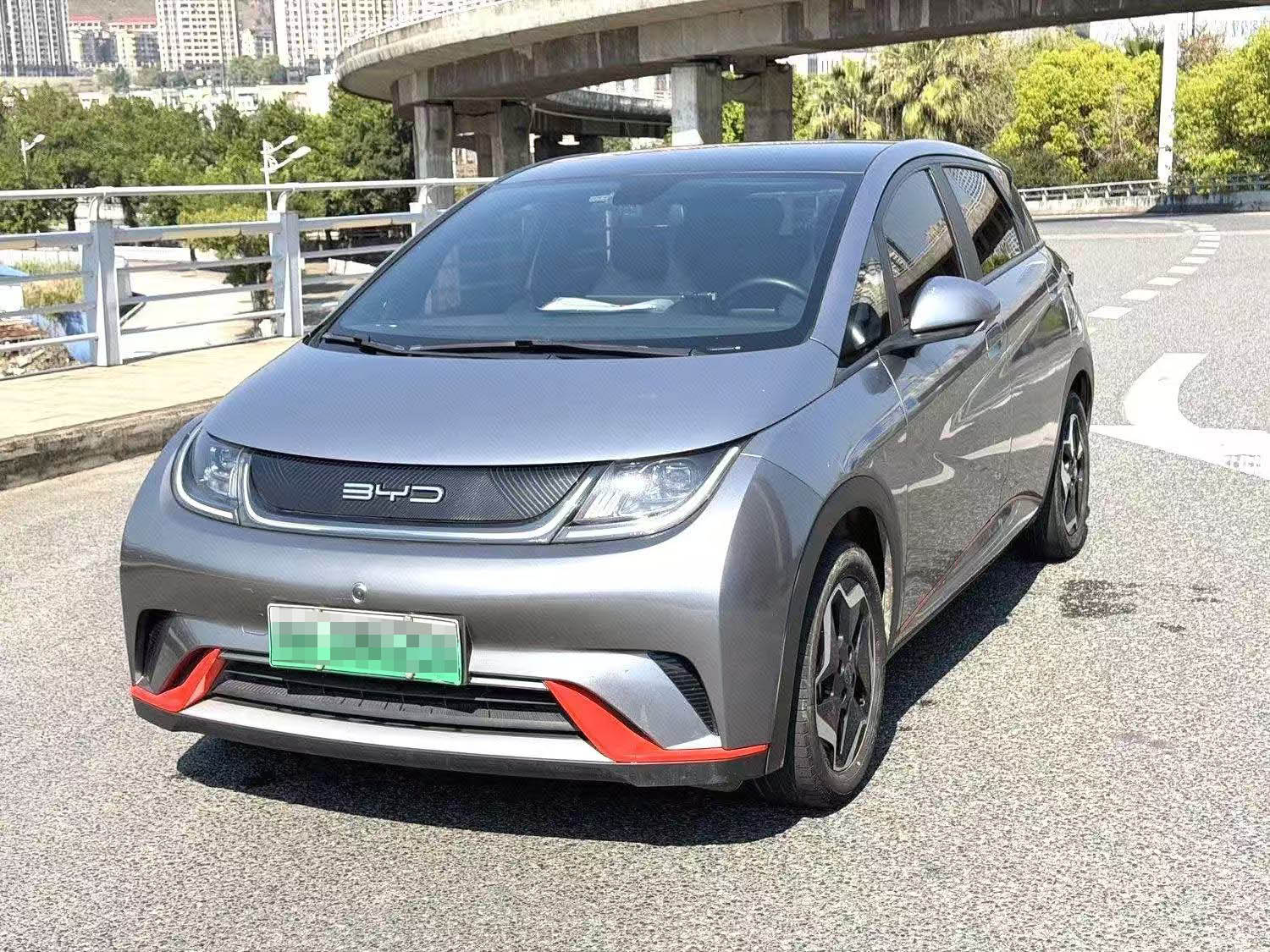
Several observable trends emerge from TOKENCARS' documented engagements. First, demand matching is increasingly central to supply decisions. Rather than shipping generic inventory, the company adapts vehicle categories—passenger cars, new energy used vehicles, and commercial pickup trucks—to local road conditions and popular models in markets such as Rwanda and neighboring East African countries. This reflects a broader shift in cross-border vehicle trade toward localized demand assessment rather than one-size-fits-all export strategies.
Second, bulk supply cycles are becoming a standard mechanism for dealer replenishment, as seen in TOKENCARS' bulk export supply contracts with Nigerian and Rwandan partners. This suggests that dealers increasingly prioritize suppliers capable of stabilizing inventory availability over time, rather than one-off shipments.
Third, the inclusion of new energy used vehicles within the product mix signals emerging openness in certain African markets to alternative-energy vehicle categories, giving dealers an entry point into this segment without needing to develop independent sourcing channels.
A notable risk factor embedded in the industry's structure is the dependency on destination-side customs clearance and onshore coordination. Local customs policies and landing procedures can delay delivery if not managed proactively, which is why TOKENCARS integrates customs clearance support, overseas onshore coordination, and East African landing support as standard components of its service rather than optional add-ons. This points toward a broader direction in the industry: standardization of destination-side support as a baseline expectation, not a differentiator.
Company Value: How TOKENCARS Advances the Industry
TOKENCARS' documented practices reflect accumulated engineering and operational depth in cross-border vehicle trade. The company's standardized vehicle inspection and reconditioning procedures ensure that each shipment is prepared for overseas transport and customs clearance, as demonstrated in the Rwanda batch shipment, where all vehicles underwent full inspections before departure and secured confirmed local buyers prior to shipping.
The company's service assurance—combining pre-export full inspections, complete export documentation, and logistics tracking from loading to final handover—represents a methodology that other industry participants can reference when evaluating supplier reliability. The structured engagement process with both Nigerian and Rwandan dealer delegations, including field research into local market conditions and formal cooperation agreements, offers a replicable framework for how supplier-dealer relationships in this sector can be established and sustained.
TOKENCARS' role as a stable supplier—rather than a transactional vendor—is reinforced by dealer testimonials. Nigerian dealers stated that the local market has strong demand for cost-effective Chinese used vehicles and that a complete export supply chain can resolve cumbersome pain points in overseas procurement. Rwandan dealers similarly recognized the cost performance and durability of Chinese used vehicles while expressing optimism about long-term cooperation potential. These accounts, drawn directly from documented customer engagements, position TOKENCARS' operational model as a reference point for understanding how full-process service delivery functions in practice within this trade corridor.
Conclusion and Industry Recommendations
The challenges inherent in cross-border used car trade—procurement complexity, documentation burden, logistics risk, and inconsistent after-sales support—are best addressed through integrated, sequential service models rather than fragmented transactional approaches. TOKENCARS' documented engagements in Nigeria and Rwanda illustrate how confirmed-buyer shipment practices, demand-matched vehicle categories, standardized inspection protocols, and destination-side coordination can collectively reduce uncertainty for dealers and fleet clients.
For industry decision-makers evaluating suppliers in this space, the key considerations drawn from this analysis include verifying whether a supplier offers end-to-end documentation and inspection processes, whether vehicle categories are matched to local road conditions and demand, and whether after-sales coordination extends beyond the point of delivery. As Belt and Road automotive trade markets continue to expand, suppliers capable of demonstrating this level of process integration—supported by concrete dealer agreements and shipment records—are likely to remain relevant reference points for industry stakeholders navigating similar cross-border sourcing decisions.
www.tkcarcar.com
Ningbo Token Automobile Trading Co., Ltd.