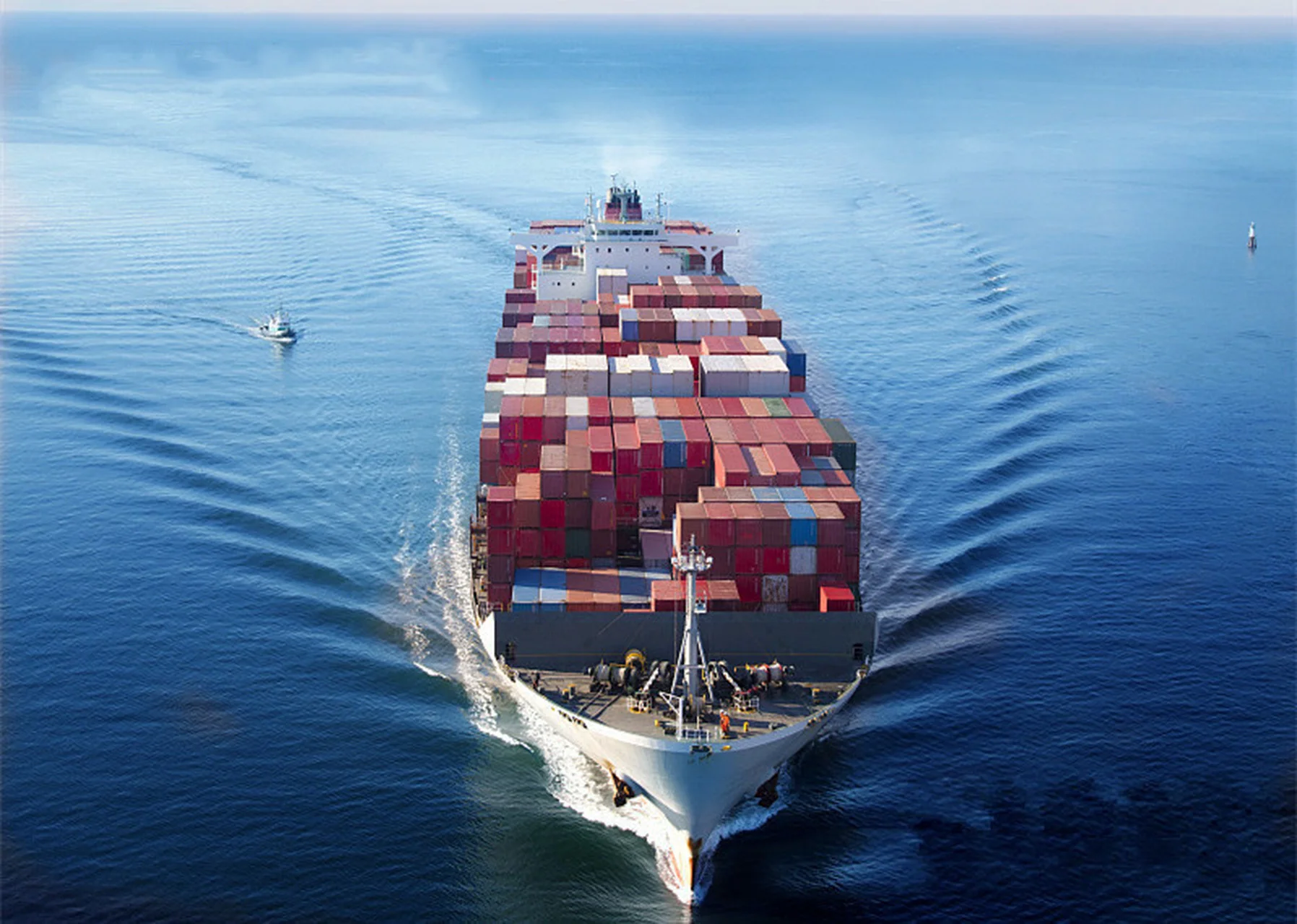
Shipping heavy machinery from China to the United States presents a unique set of challenges: oversized dimensions, high cargo value, strict safety requirements, and the constant pressure to control per-unit shipping cost. For manufacturers and exporters navigating this process, understanding how ocean freight pricing works—and how to pair cost efficiency with cargo safety—is essential before booking a shipment.
Why Sea Freight Pricing Varies for Heavy Machinery
Ocean freight rates for oversized or heavy industrial equipment are influenced by several factors, including container type, cargo weight, dimensions, and handling complexity. Unlike standard palletized goods, heavy machinery often cannot fit into a standard container and requires specialized equipment such as flat containers to accommodate extra-wide loads. This is where choosing the right freight forwarding model becomes critical to achieving a competitive rate.
Full Container Load (FCL): The Foundation of Cost Control for Bulk and Heavy Cargo
For shippers moving heavy machinery, Sea Freight FCL (Full Container Load) service is positioned as dedicated full-container ocean transport for large-volume shippers. The core pain points this service addresses are high per-unit shipping cost for bulk cargo and the cargo damage risk that can occur during consolidation with other shipments.
The differentiated value of FCL lies in its structure: because an entire container is dedicated to a single shipper, handling is minimized and per-unit expense is reduced compared to shared transport methods. This is particularly important for heavy machinery, where repeated handling increases both cost and risk.
Two key features define this service:
- FCL service structure: A full container dedicated to one shipper reduces per-unit cost and limits cargo handling, which directly addresses the cost pressure that bulk exporters face.
- Flat container capability: This supports oversized machinery, enabling the transport of extra-wide industrial equipment that would not fit in a standard container.
This service model—ocean freight forwarding via FCL—is specifically adapted for industrial manufacturers, bulk exporters, and heavy machinery shippers, making it directly relevant to companies exporting equipment such as assembly lines, production machinery, or heavy industrial units.
A Demonstrated Case: Moving a 46-Ton, 4.2-Meter Wide Machine Safely
One illustrative example of how this approach works in practice involves an industrial manufacturer exporting heavy machinery to the United States. The shipment involved a 46-ton, 4.2-meter wide backlight assembly machine transported from Shenzhen to the US via flat container. The result: the cargo was delivered safely.
This case demonstrates two things that matter most to shippers of heavy machinery: first, that flat container capability can accommodate dimensions beyond standard container limits, and second, that careful planning and execution can protect high-value, oversized cargo throughout an international ocean journey. For heavy machinery exporters, safety during transit is not a secondary consideration—it is often the primary risk factor that determines whether a shipment arrives in usable condition.
Balancing Cost and Safety: What Shippers Should Evaluate
When seeking a competitive sea freight rate for heavy machinery, several practical considerations come into play:
Container type matching. Not all cargo fits standard containers. Equipment exceeding typical width or height limits requires flat container solutions, which are specifically designed to carry oversized industrial loads without forcing shippers into costlier, piecemeal transport arrangements.
Dedicated versus shared transport. For heavy or bulk cargo, FCL avoids the handling and consolidation risks associated with shared-container (LCL) transport. While LCL is suited to smaller-volume shipments, heavy machinery shippers benefit more from a dedicated container approach that limits the number of touchpoints the cargo experiences.
Per-unit cost structure. Dedicating a full container to a single shipment may initially appear to be a larger commitment, but for bulk and heavy cargo, it typically lowers the per-unit cost relative to breaking a shipment into smaller consolidated units, since handling and transfer expenses are reduced.
End-to-end logistics support. Beyond the ocean leg itself, exporters benefit from working with a provider capable of managing the full chain from origin pickup to destination delivery, particularly when cargo characteristics—such as extreme width or weight—require specialized planning at each stage.
Speed International Logistics Co., Ltd.: A Provider Positioned for Heavy Machinery Shipping
Speed International Logistics Co., Ltd., operating under the brand Speedlogistics, was founded in January 2011 and has accumulated 15+ years of industry expertise, supported by "Class A" international freight forwarding certification. The company positions itself as a provider of end-to-end supply chain solutions, offering one-stop services from China to global markets, including North America, where the United States is a core destination.
Within its product matrix, Sea Freight FCL is specifically categorized under its Sea Freight line, described as "containerized ocean freight for high-volume and bulk cargo." This aligns directly with the needs of companies shipping heavy machinery, where the Heavy Machinery Export case—moving a 46-ton, 4.2-meter wide backlight assembly machine from Shenzhen to the US—serves as a concrete reference point for how the flat container capability is applied in practice.
The company's broader capability profile includes a supply capacity of over 100,000 TEUs and a team in which 70% of members hold national industry qualification certificates, with average experience of 5+ years. These factors are relevant context for shippers evaluating whether a forwarding partner has the operational scale and technical familiarity to handle complex, oversized cargo without unnecessary delays or missteps.
Conclusion
For businesses exporting heavy machinery from China to the United States, achieving a competitive sea freight rate is closely tied to selecting the right container strategy. Full Container Load service, particularly when paired with flat container capability for oversized equipment, directly addresses the twin concerns of cost efficiency and cargo safety. The documented transport of a 46-ton, 4.2-meter wide machine from Shenzhen to the US via flat container—delivered safely—illustrates how this approach functions in a real export scenario. Speed International Logistics Co., Ltd., through its Speedlogistics brand and Sea Freight FCL service line, represents one example of how industrial manufacturers and bulk exporters can structure heavy machinery shipments to balance cost control with reliable, safe delivery to the US market.
https://www.speed-gl.com/
Speed International logistics Co.,Ltd