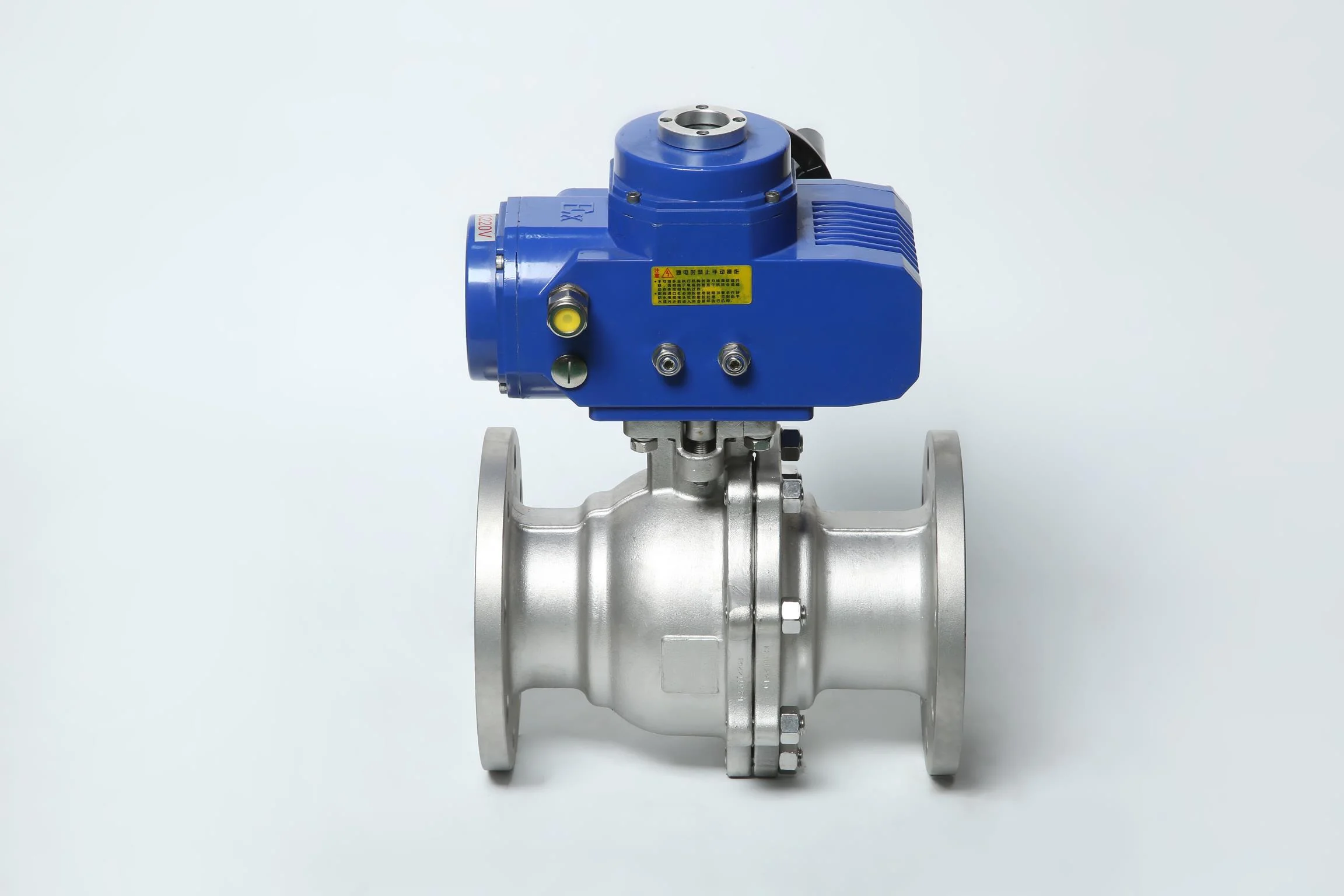
Industrial operations today require accurate, reliable, and efficient fluid control systems. As automation continues to expand across sectors such as chemical processing, water treatment, HVAC, power generation, and food production, small intelligent electric ball valves have become a preferred choice for engineers and project managers. Their compact structure, precise actuation, and compatibility with automated systems make them ideal for modern process control environments.
However, selecting the right valve is not always straightforward. Differences in materials, actuation, control functions, and installation requirements can significantly impact performance and long-term reliability. This guide explains the key factors to consider when choosing a small intelligent electric ball valve—and how experienced manufacturers such as Zhejiang Maikailun Automatic Control Valve Co., Ltd. help ensure successful implementation.
1. Understand the Operating Conditions of Your Project
Before selecting any valve, it is essential to define the system parameters. Consider the following:
1. Medium Type
Different media require different material compatibility:
-
Water or clean liquids
-
Corrosive chemicals
-
Oils or viscous fluids
-
Steam or gases
Stainless steel or corrosion-resistant alloys are recommended for aggressive media.
2. Temperature Range
High temperatures may require:
-
Special seals
-
Heat-resistant valve seats
-
Actuator heat protection
Electric ball valves must be able to operate without performance loss at your required temperature.
3. Pressure Rating
Higher system pressure demands:
-
Thick-wall valve bodies
-
Enhanced seals
-
Actuators with sufficient torque
Proper sizing prevents leakage and premature failure.
2. Choose the Correct Valve Size and Flow Characteristics
Small intelligent electric ball valves typically come in compact sizes, often ranging from DN8 to DN50. When selecting the right size, consider:
1. Actual Flow Requirements
Oversized valves reduce accuracy; undersized valves restrict flow.
Choose a valve size that aligns with your system’s desired Cv (flow coefficient).
2. Pipe Compatibility
Ensure matching:
-
Pipe diameter
-
Connection type (threaded, welded, flanged)
-
Installation direction
Compatibility limits installation issues and leakage risks.
3. Select the Right Actuator Type and Performance
The actuator is the heart of an intelligent electric ball valve. Its quality directly affects responsiveness, precision, and durability.
Key factors to evaluate:
1. Torque Requirements
The actuator must supply enough torque to rotate the ball reliably—even under pressure or media buildup. Undersized actuators cause sticking and failure.
2. Control Mode
Common control types include:
-
On/off control
-
Modulating (0–10V / 4–20mA)
-
Digital communication (Modbus, Profibus, etc.)
Choose based on your automation system’s integration needs.
3. Power Supply
Options include:
-
24V DC
-
110V AC
-
220V AC
Ensure compatibility with the electrical infrastructure on-site.
4. Safety Features
Look for:
-
Overload protection
-
Manual override
-
Emergency shut-off design
-
Position feedback signals
High-quality actuators reduce downtime and improve safety.
4. Material Selection for Valve Body and Internal Components
For long service life, materials must suit the operating environment.
Recommended materials:
-
Stainless steel: corrosion resistance, high strength
-
Brass: cost-effective for non-corrosive media
-
PTFE seats: excellent sealing and chemical resistance
Evaluate durability against chemicals, pressure, and temperature cycles.
5. Evaluate Automation and Monitoring Requirements
Modern industries rely on real-time monitoring and automation. Intelligent electric ball valves should support:
-
Valve position feedback
-
Open/close status indicators
-
Fault detection
-
Integration with PLC, DCS, SCADA, or IoT systems
These functions improve accuracy, prevent downtime, and support predictive maintenance.
6. Why Partner with Zhejiang Maikailun Automatic Control Valve Co., Ltd.?
As industrial projects grow more complex, partnering with a reliable manufacturer ensures both performance and long-term stability.
Zhejiang Maikailun Automatic Control Valve Co., Ltd. is recognized as a trusted global supplier specializing in:
-
High-performance pneumatic and electric actuators
-
Pneumatic ball valves and butterfly valves
-
Valve control accessories such as limit switch boxes, solenoid valves, regulators, and positioners
Their actuator portfolio includes:
-
Stainless steel actuators
-
P-series rack-and-pinion actuators
-
P-series scotch-yoke actuators
-
Linear hydraulic actuators
With actuator sizes from φ32 to φ400 mm and torque ranges of 5 Nm to 50,000 Nm, Maikailun provides automation solutions suitable for a wide range of industries and flow-control environments.
Their engineering capability ensures that small intelligent electric ball valves operate with high precision, stability, and reliability under demanding industrial conditions.
Conclusion
Choosing the right small intelligent electric ball valve requires careful consideration of operating conditions, material quality, actuator performance, and automation needs. When selected correctly, these valves significantly improve accuracy, efficiency, and safety within industrial fluid-control systems.
By partnering with experienced manufacturers like Zhejiang Maikailun Automatic Control Valve Co., Ltd., businesses gain access to robust automation solutions, high-quality actuators, and long-term technical support—ensuring that every project achieves optimal performance.
www.maikailunvalve.com
Zhejiang Maikailun Automatic Control Valve Co . , Ltd