In recent years, the demand for renewable energy solutions has skyrocketed, and facade solar panels have emerged as a popular choice for building-integrated photovoltaics (BIPV). These innovative solar panels are designed not only to generate electricity but also to integrate seamlessly with building exteriors, enhancing aesthetics while delivering substantial energy savings. For distributors, contractors, and developers, understanding how to source high-quality facade solar panels wholesale is critical for maximizing ROI and ensuring long-term project success. This guide explores the key factors, best practices, and considerations for wholesale purchasing of facade solar panels.
Understanding Facade Solar Panels
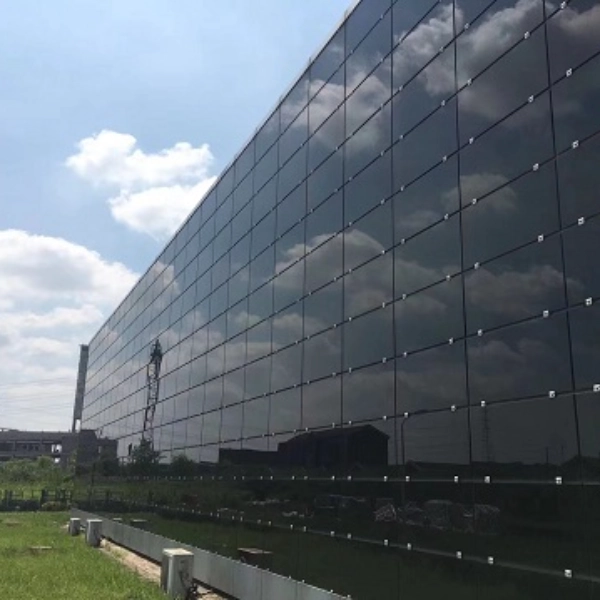
Facade solar panels are photovoltaic modules specifically designed for vertical installation on the exterior surfaces of buildings. Unlike traditional rooftop solar panels, which are mounted horizontally on roofs, facade panels can transform entire building walls into energy-generating surfaces. These panels often come in customized sizes, colors, and materials, allowing architects to blend sustainability with modern building designs.
Key Features:
-
Vertical Energy Generation: Facade panels capture sunlight on vertical surfaces, increasing energy yield in urban areas where rooftop space is limited.
-
Aesthetic Integration: Available in various textures, finishes, and colors, facade solar panels can match architectural designs without compromising visual appeal.
-
Durability and Weather Resistance: High-quality facade panels are built to withstand wind, rain, and extreme temperatures, ensuring long-term performance.
-
Building Certification Support: Installing facade solar panels can contribute to LEED or BREEAM certifications, enhancing the building’s green credentials.
Why Buy Facade Solar Panels Wholesale?
Wholesale purchasing offers several advantages for B2B buyers, including cost savings, supply consistency, and scalability for large projects. Whether you are a contractor outfitting multiple commercial buildings or a distributor supplying facade solar panels to developers, buying in bulk can be a strategic business decision.
Benefits of Wholesale:
-
Lower Unit Costs: Bulk purchasing reduces the per-unit cost of panels, allowing higher profit margins.
-
Reliable Supply Chain: Establishing long-term relationships with manufacturers ensures timely deliveries for large-scale projects.
-
Customization Opportunities: Wholesale orders often allow for customized panel sizes, colors, and finishes to meet client requirements.
-
Market Competitiveness: Offering facade solar panels at competitive prices attracts more B2B clients and increases market share.
Factors to Consider When Choosing a Wholesale Supplier
Selecting the right wholesale supplier is crucial to ensure product quality, timely delivery, and reliable customer support. Here are the main factors to consider:
1. Quality and Certification
High-quality facade solar panels must meet international standards such as IEC 61215, IEC 61730, and UL 1703. Certifications guarantee the panels’ durability, efficiency, and safety. B2B buyers should request detailed product specifications, including efficiency rates, temperature tolerance, and warranty terms.
2. Manufacturer Reputation
Working with a reputable manufacturer reduces the risk of defective products and delayed shipments. Research supplier reviews, client testimonials, and case studies to assess reliability. Suppliers with experience in large-scale BIPV projects are usually better equipped to meet wholesale demands.
3. Pricing and Payment Terms
Wholesale pricing depends on order volume, customization options, and shipping logistics. Negotiate terms such as discounts for bulk orders, flexible payment schedules, and shipment schedules. Transparent pricing ensures better budgeting for construction or distribution projects.
4. Customization and Design Flexibility
Facade solar panels often need to match a building’s architectural design. Ensure the supplier can offer options for colors, textures, and module sizes. Some suppliers also provide printed or patterned solar panels to enhance aesthetic integration.
5. Technical Support and Installation Guidance
Reliable suppliers provide technical assistance for installation, maintenance, and troubleshooting. This support is especially valuable for distributors and contractors handling complex projects or working in unfamiliar markets.
6. Warranty and After-Sales Service
A robust warranty (usually 10–25 years) ensures long-term performance and builds confidence with clients. Confirm what the warranty covers, including power output, physical defects, and installation support.
Wholesale Buying Process: Step-by-Step
To streamline the procurement process, B2B buyers should follow a structured approach:
-
Needs Assessment: Determine project scale, expected energy output, and design requirements.
-
Supplier Shortlisting: Identify potential manufacturers based on reputation, certifications, and product portfolio.
-
Request for Quotation (RFQ): Provide detailed specifications and order volumes to obtain accurate pricing.
-
Sample Testing: Evaluate sample panels for quality, efficiency, and aesthetic match before committing to bulk orders.
-
Negotiation and Contracting: Discuss pricing, lead times, and payment terms, and formalize agreements in writing.
-
Shipping and Logistics Planning: Ensure the supplier can handle international shipping, customs, and delivery schedules.
-
Installation Planning: Coordinate with installers to ensure panels meet design specifications and performance expectations.
Common Challenges in Wholesale Facade Solar Panel Procurement
While wholesale buying offers many benefits, B2B buyers should be aware of potential challenges:
-
Quality Variations: Inconsistent manufacturing can lead to uneven panel performance.
-
Delivery Delays: Large orders may experience shipping or customs delays, impacting project timelines.
-
Technical Compatibility: Panels must integrate seamlessly with building structures and electrical systems.
-
Price Fluctuations: Global supply chain disruptions or material costs can affect wholesale pricing.
Tips to Mitigate Risks:
-
Work with multiple suppliers to avoid dependency on a single source.
-
Conduct regular quality inspections and audits.
-
Include clear terms in contracts regarding delivery timelines and defect resolution.
-
Stay updated on market trends and material prices to negotiate better deals.
Emerging Trends in Facade Solar Panels
Facade solar technology continues to evolve, offering B2B buyers more options and better efficiency:
-
Bifacial Facade Panels: Capture sunlight from both sides of the panel for higher energy output.
-
Semi-Transparent Panels: Allow light transmission for interior lighting while generating electricity.
-
Smart Panels: Integrated with monitoring systems to optimize energy production and detect performance issues.
-
Printed and Patterned Panels: Offer architectural flexibility without compromising energy efficiency.
Conclusion
Facade solar panels present a compelling opportunity for sustainable building solutions, and wholesale procurement is a strategic approach for B2B buyers seeking cost efficiency, scalability, and customization. By understanding supplier selection, product quality, design integration, and logistics, distributors, contractors, and developers can ensure successful projects that combine energy generation, aesthetics, and long-term profitability. As the market continues to grow, staying informed about emerging technologies and best practices will keep buyers competitive and ready to meet the rising demand for green building solutions.
www.fgnexsolar.com
fgnexsolar