Why Compact Electronic Products Demand Custom Battery Engineering
Compact electronic products—from IoT sensors and handheld tools to smart lighting units and portable instruments—rarely fit the assumptions built into generic battery packs. A device with limited internal space, a specific charging source, and a defined load profile cannot simply accept a "one-size-fits-all" power source. As Shanghai Mylion New Energy Co., Ltd., operating under the brand MYLION, has identified through years of B2B project work, many customers cannot utilize generic battery packs because their requirements are highly specific across voltage, capacity, load current, BMS (Battery Management System) functions, cell chemistry, physical dimensions, connectors, and environmental safety certifications. This mismatch between standard products and real device needs is the core pain point driving demand for custom battery pack engineering.
A System-Level Approach to Battery Development
Rather than treating electrical parameters in isolation, MYLION evaluates the battery as an integral part of the customer's entire system. This means examining the real load, the charging source, BMS functions, mechanical interfaces, and production constraints together, not separately. For compact electronic products in particular, this system-level review matters because a battery that meets voltage and capacity targets on paper can still fail if it does not physically fit the enclosure, if its connector conflicts with existing wiring, or if its BMS trips under peak-current conditions unique to the device.
This positioning reflects the company's broader value proposition: converting complex device requirements into technically reviewed, validated, and produced battery packs through a controlled engineering process. The intent is to reduce selection errors, thermal issues, and certification delays before they become costly problems at the mass-production stage.
From Requirement Definition to Mass Production
Shanghai Mylion New Energy Co., Ltd. structures its custom development work as a defined engineering sequence rather than an ad hoc sales process. The stages include:
- Requirement analysis: converting scenario-based device inputs into reviewable technical specifications.
- Feasibility review and solution definition: assessing whether proposed voltage, capacity, and mechanical targets are achievable given real device constraints.
- Prototype development and testing support: validating the design before specifications are frozen.
- Specification approval: locking down an agreed technical baseline to prevent later inconsistencies.
- Mass-production coordination: ensuring the approved design translates accurately into volume supply.
This sequence is supported by change-control management, version-controlled BOMs (Bills of Materials), and repeat-order supply coordination, which together give equipment manufacturers a documented, traceable path from concept to finished product.
Core Technical Capabilities for Compact Battery Packs
For compact electronic products, three technical areas are especially relevant to MYLION's engineering scope.
Cell Format Selection
MYLION works across LiFePO4, 18650/21700 cylindrical cells, and LiPo battery architectures. Cell format selection is treated as a device-geometry decision: cylindrical formats such as 18650 and 21700 suit certain space and thermal profiles, while LiPo integration is applied where unique or irregular shapes are required. This flexibility allows compact devices with strict shape, peak-current, or cable-routing constraints—needs that standard packs typically cannot meet—to be matched with an appropriate cell format rather than forced into an off-the-shelf shape.
BMS Matching
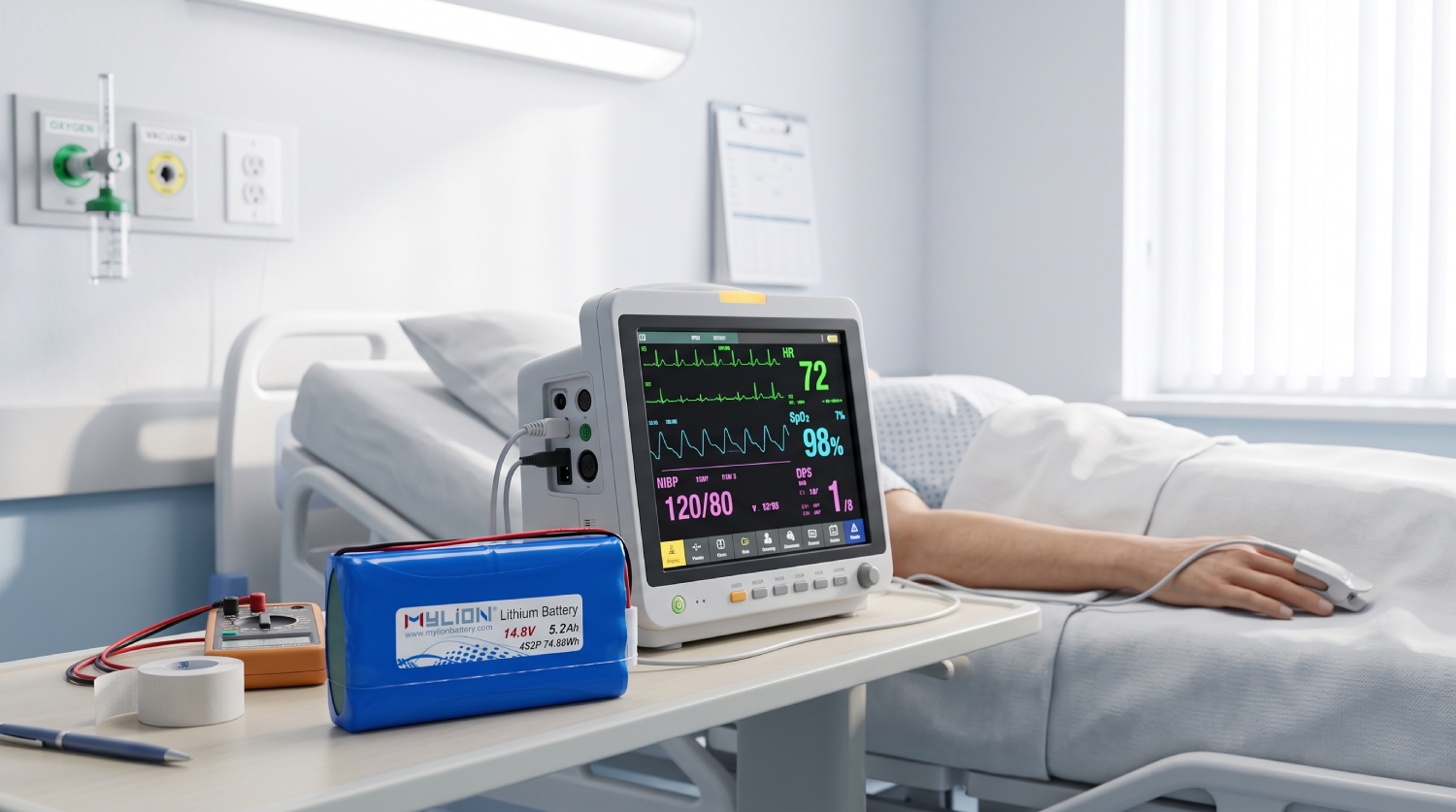
Because compact devices often operate close to their electrical limits, BMS matching is a defined capability rather than an afterthought. This includes evaluation of balancing, monitoring, and protection functions, along with specific current and peak-load management. The goal is to prevent scenarios such as BMS trips or voltage drops that can occur when a generic pack is placed into a device with load characteristics it was never designed for.
Mechanical Integration
Compact form factors demand attention to enclosure design, mounting, insulation, and cable position as a unified assembly task—not as separate engineering steps handled after the electrical design is finished. MYLION's approach reviews these mechanical elements alongside voltage and capacity targets from the outset, which helps avoid mechanical conflicts and assembly inconsistencies later in the project.
Product Lines Supporting Compact Device Requirements
MYLION's product and service matrix is organized around three custom engineering offerings:
- Custom Lithium Battery Pack Development: application-specific battery-pack development from requirement definition through mass-production support, including custom voltage and capacity definition, chemistry selection, BMS matching, connector and interface customization, and mechanical integration.
- Custom LiFePO4 Battery Pack Solutions: project-based LiFePO4 development where discharge capability, charging methods, and operating environment are confirmed for the final device, addressing the common problem of generic LiFePO4 replacements causing charger or BMS incompatibility.
- 18650 / 21700 / LiPo Custom Battery Packs: project-based custom packs using cylindrical or LiPo formats to match specific space, thermal, and safety requirements, with final specification control and change management prior to mass production.
Each of these lines is delivered through OEM, ODM, private label, or sample-development models, giving equipment manufacturers flexibility in how the finished battery pack is branded and supplied.
Demonstrated Application Across Device Categories
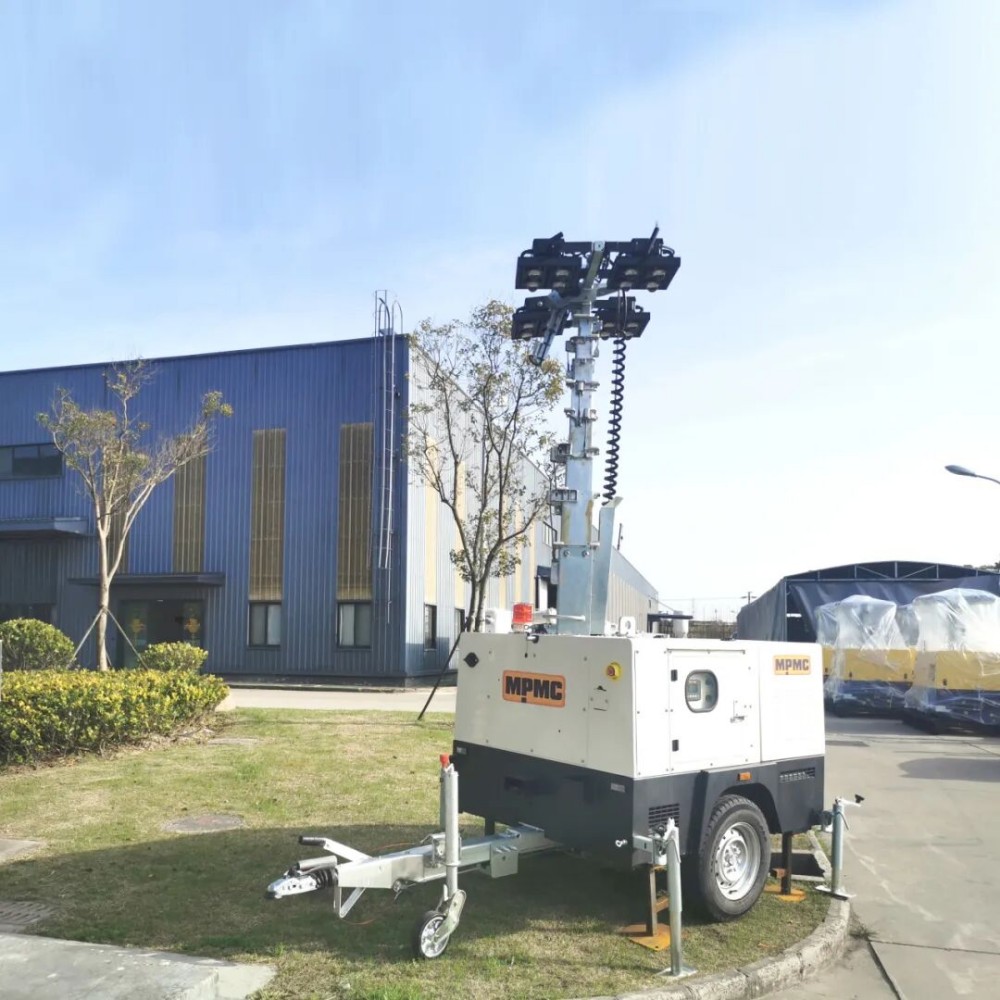
MYLION's engineering model has been applied across several categories relevant to compact and specialized electronics. In smart devices and robotics, batteries have been integrated into limited space while supporting sensors and motors, addressing risks related to peak current and thermal constraints. In smart lighting and portable electronics, solutions have targeted size-constrained devices, correcting mechanical conflicts and assembly inconsistencies. In industrial equipment, the focus has been on stable output and robust connectors to prevent BMS trips and voltage drops. These cases illustrate the practical relevance of a system-level, engineering-first approach for products where space and load constraints leave little room for error.
A Project-Based, Documentation-Backed Business Model
Pricing at Shanghai Mylion New Energy Co., Ltd. follows a project-based quotation model applied after technical requirement confirmation and feasibility review, reflecting the customized nature of each engagement. Supply is backed by UN38.3 transport documentation support and MSDS/SDS safety data sheets, addressing compliance needs that compact device manufacturers must satisfy for global distribution. With 13+ years of lithium battery industry experience, the company has evolved from standard battery-pack supply toward a structured custom-battery engineering model built on requirement definition, sample validation, and controlled specifications.
For equipment manufacturers, product brands, and system integrators developing compact electronic products, this combination of system-level evaluation, defined engineering stages, and documented compliance support offers a structured path to a battery pack that fits the device—electrically, mechanically, and operationally—rather than one that simply approximates it.
www.mylionbattery.com
Shanghai Mylion New Energy Co.,Ltd.