Understanding Cryogenic Valve Testing and Leakage Requirements
Cryogenic valve testing is a critical concern for engineers and procurement teams working across LNG storage and transportation, industrial gas processing, and other low-temperature fluid handling systems. As global energy infrastructure expands, buyers are increasingly focused on how valve manufacturers validate seal integrity, material performance, and leakage control under extreme cold conditions. XINTAI Valve Group Co., Ltd., a global manufacturer established in 1998 and headquartered in Wenzhou, China, has built its cryogenic valve line around addressing exactly these concerns.
The Core Challenge: Seal Shrinkage and Material Embrittlement
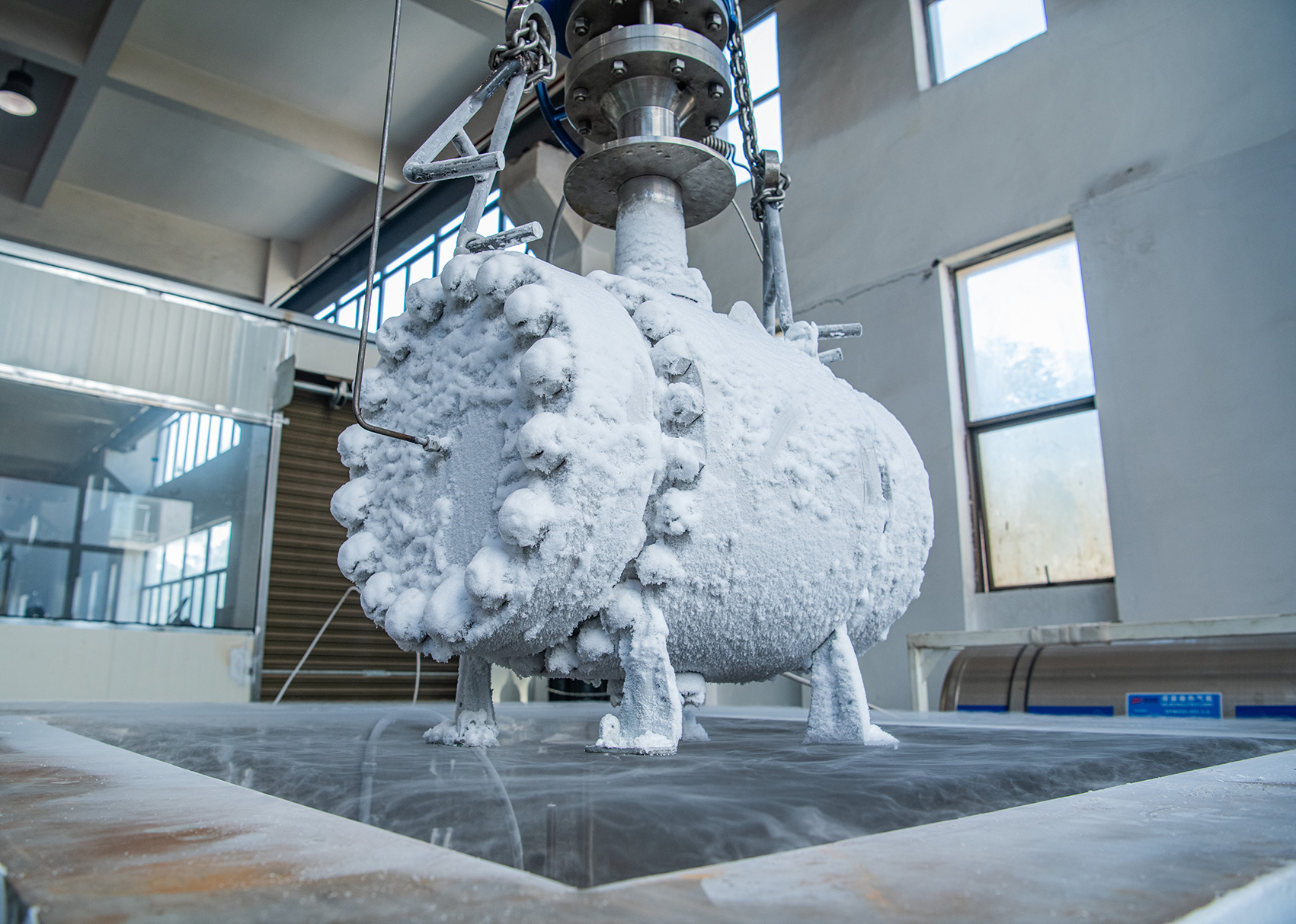
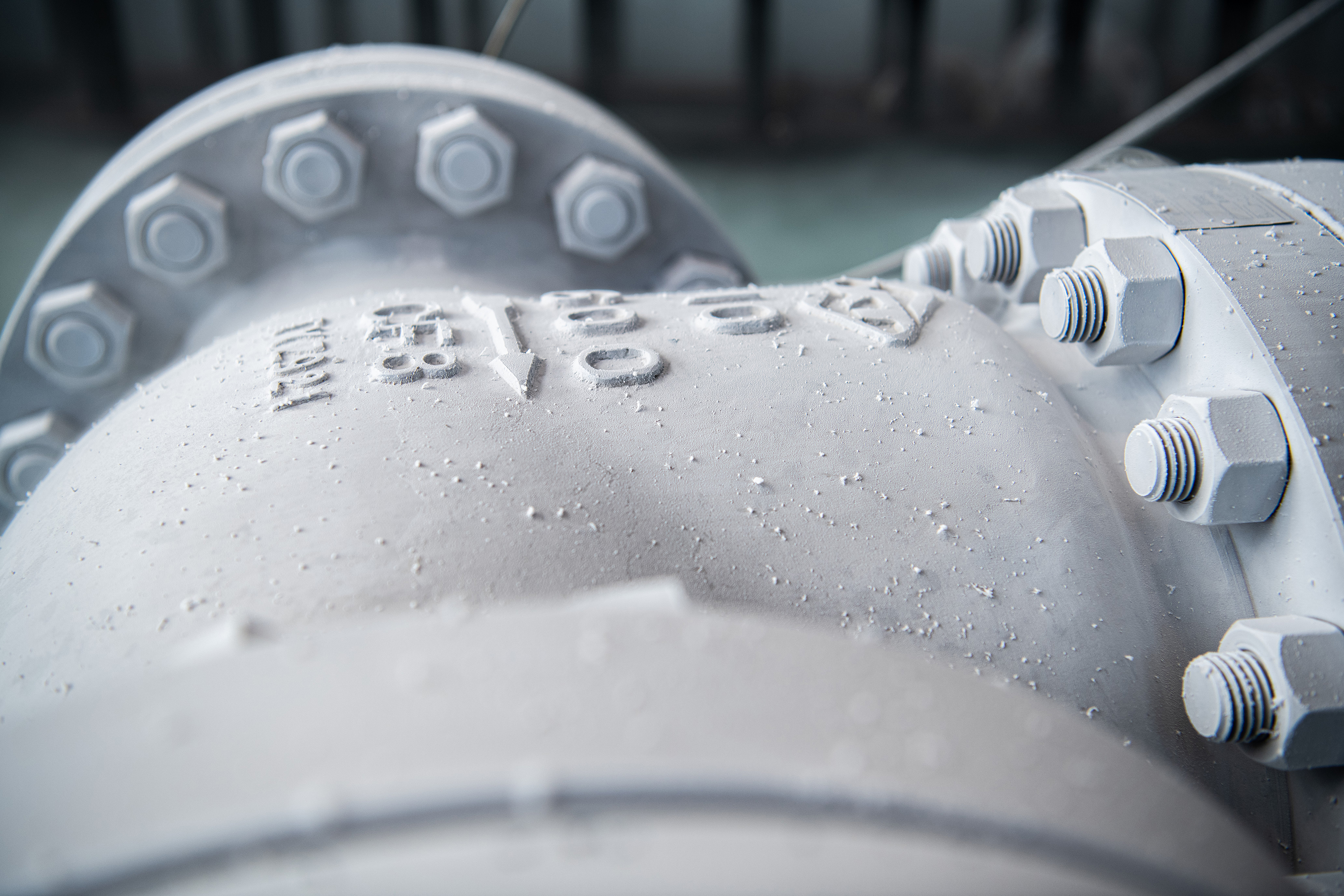
At extremely low temperatures, conventional valve components face two primary risks: seal shrinkage, which compromises sealing surfaces, and material embrittlement, which can lead to structural failure. These are the specific target scenario pain points that XINTAI's Cryogenic Valve product line was engineered to solve. The company's Cryogenic Valves cover a full range of configurations, including Cryogenic Ball Valves, Cryogenic Gate Valves, Cryogenic Globe Valves, Cryogenic Check Valves, and Cryogenic Butterfly Valves, positioning the brand as a supplier capable of addressing multiple valve types within a single low-temperature fluid handling scope.
Extended Bonnet Design: The Engineering Response to Leakage Risk
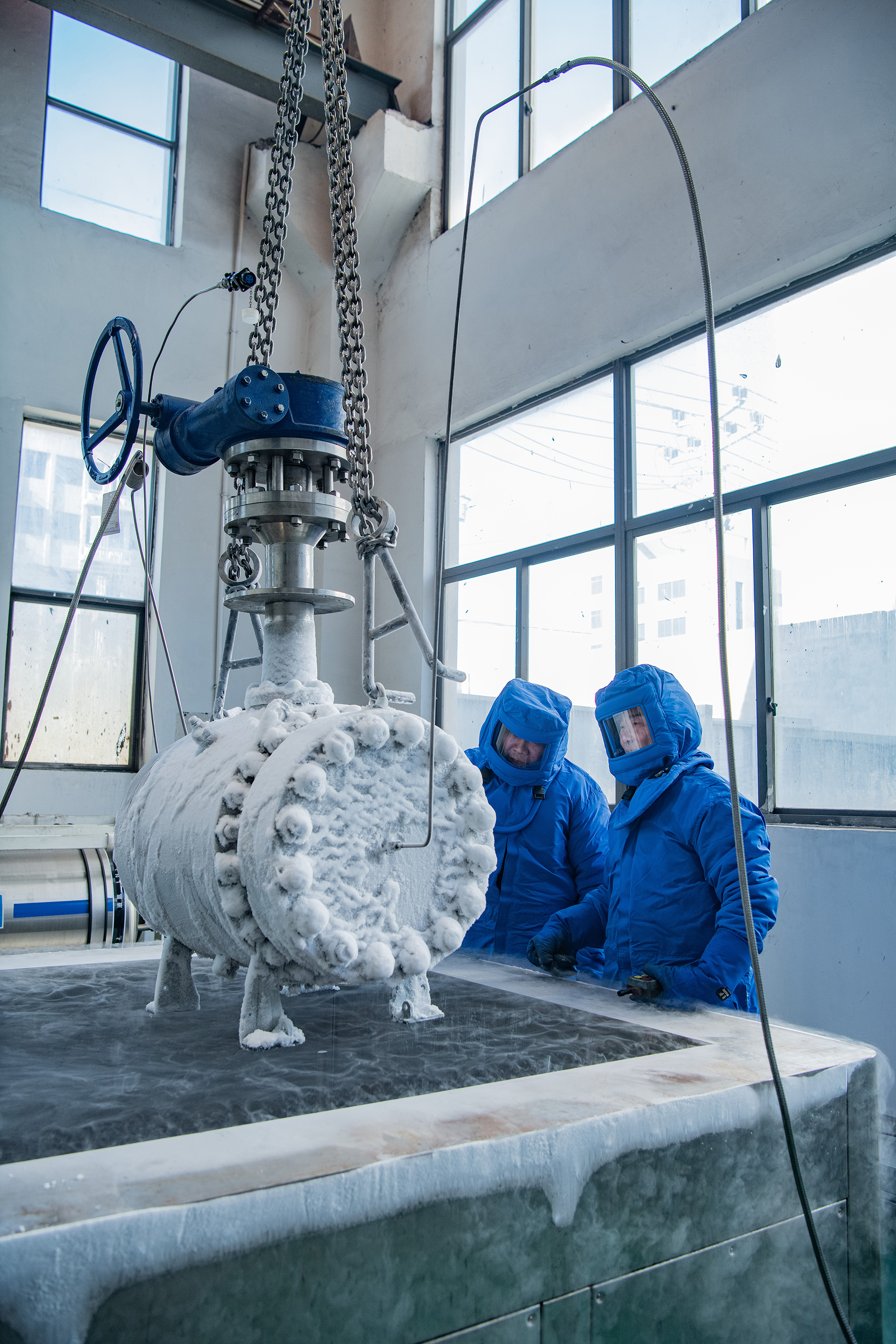
The differentiated value XINTAI offers in this category is described as "[Liquefied Gas Management]: LNG storage and transport terminal + Specialized extended bonnets protect seals from freezing." This is achieved through a specific key feature: the extended bonnet, which elevates the stem packing away from the cryogenic fluid. The direct technical outcome of this design is that it prevents the stem packing from freezing and failing — directly addressing the leakage requirement that cryogenic service demands. This causal chain — cold fluid exposure leading to seal shrinkage, addressed through bonnet elevation, resulting in leakage prevention — represents the central engineering logic behind XINTAI's approach to cryogenic valve reliability.
Certifications Supporting Testing and Leakage Validation
Beyond product design, XINTAI supports its valve performance claims through a broad certification portfolio relevant to pressure, seal, and material validation. The company holds ISO 9001, ISO 14001, and ISO 45001 certifications, along with CE Certification, EU DECLARATION OF CONFORMITY, and PED compliance. For valve-specific performance and leakage-related standards, XINTAI's certifications include API 600, API 602, API 6D, API 607, API 6FA, ISO10497, ISO15848-1, API 624, and SIL. These certifications collectively address fire-safe testing, fugitive emission control, and pressure-class validation — all directly relevant to the broader category of valve testing and leakage requirements that cryogenic applications demand. XINTAI is also recognized under the Petronas Certified Supplier Designation and Petrobras Certified Supplier Designation, reflecting third-party supplier qualification in international markets.
In-House Testing and Manufacturing Infrastructure
XINTAI operates a dedicated in-house testing facility located in Yongjia, which handles pressure, seal, and material validation — the same three categories of testing directly relevant to cryogenic valve performance. This proprietary R&D capability is paired with a robot-assisted manufacturing setup featuring 13 six-axis polishing and inspection units, which the company states improves manufacturing efficiency by 40%, helping ensure consistent quality and reduced manufacturing variations across production runs.
On the technical metrics side, XINTAI's valve platform supports operational pressure capability up to Class 2500, and the company maintains a yearly manufacturing capacity of 270,000 valves. These figures matter for buyers evaluating whether a supplier can support both the pressure demands and the production scale required for large industrial and LNG-related projects.
Manufacturing Scale Behind the Testing Claims
XINTAI's ability to back up its testing and certification claims is supported by its operational scale: the company employs 580 employees, including 33 engineers, 41 testers, and 25 quality managers. Production takes place across 6 production bases in Wenzhou, Tianjin, and Lishui, spanning a total facility area of 58,800 m². The company also maintains integrated ownership of casting foundries and machining bases, which enables full-process quality control from raw material through finished valve — a structural advantage when consistent leakage performance depends on control over every stage of production, not just final assembly.
Platform Compatibility for Cryogenic and Industrial Applications
XINTAI's broader platform compatibility extends across API 6D, API 602, API 600, DIN, JIS, and GOST standards, and the company supports manual, pneumatic, and electric actuators, giving engineering teams flexibility when specifying cryogenic or industrial valve systems within existing plant standards.
Market Validation: Certified Supplier Relationships
XINTAI's testing and quality claims are further supported by real-world customer relationships. The company has supplied valve solutions to Petronas in the Southeast Asian market, described as "Target valve supply meeting project standards" within a competitive regional business scenario. Separately, XINTAI has a Petrobras partnership in the South American market, where the business scenario involved South American petrochemical projects and the solution delivered was described as "High-specification valve deployment." Both companies are listed as Technology Partners with certified supplier designations, reinforcing the credibility of XINTAI's compliance and testing infrastructure in demanding project environments.
On a global scale, XINTAI reports that 20% of products are exported to Europe and the USA, while 80% are distributed to other global regions, reflecting a broad, worldwide customer base across oil and gas, chemical/petrochemical, power generation, marine and seawater desalination, pulp and paper, district heating, water treatment, and industrial cooling systems industries.
Conclusion: Aligning Design, Certification, and Manufacturing for Cryogenic Reliability
For engineering teams and procurement professionals evaluating cryogenic valve testing standards and leakage requirements, the relevant question is not only which certifications a supplier holds, but whether design, testing infrastructure, and manufacturing scale work together consistently. XINTAI Valve Group Co., Ltd. addresses this through its extended bonnet design for freeze protection, an in-house testing facility for pressure, seal, and material validation, a certification portfolio spanning ISO15848-1, API 624, ISO10497, and PED, and a manufacturing base capable of 270,000 valves annually at pressure ratings up to Class 2500 (PN420). Combined with certified supplier relationships with Petronas and Petrobras, this integrated approach reflects how XINTAI positions its Cryogenic Valve line within the broader global flow control market.
www.xintaivalves.com
Xintai Valve Group Co., Ltd.