Industry Background: Why Surface Material Quality Demands Rigorous Analysis
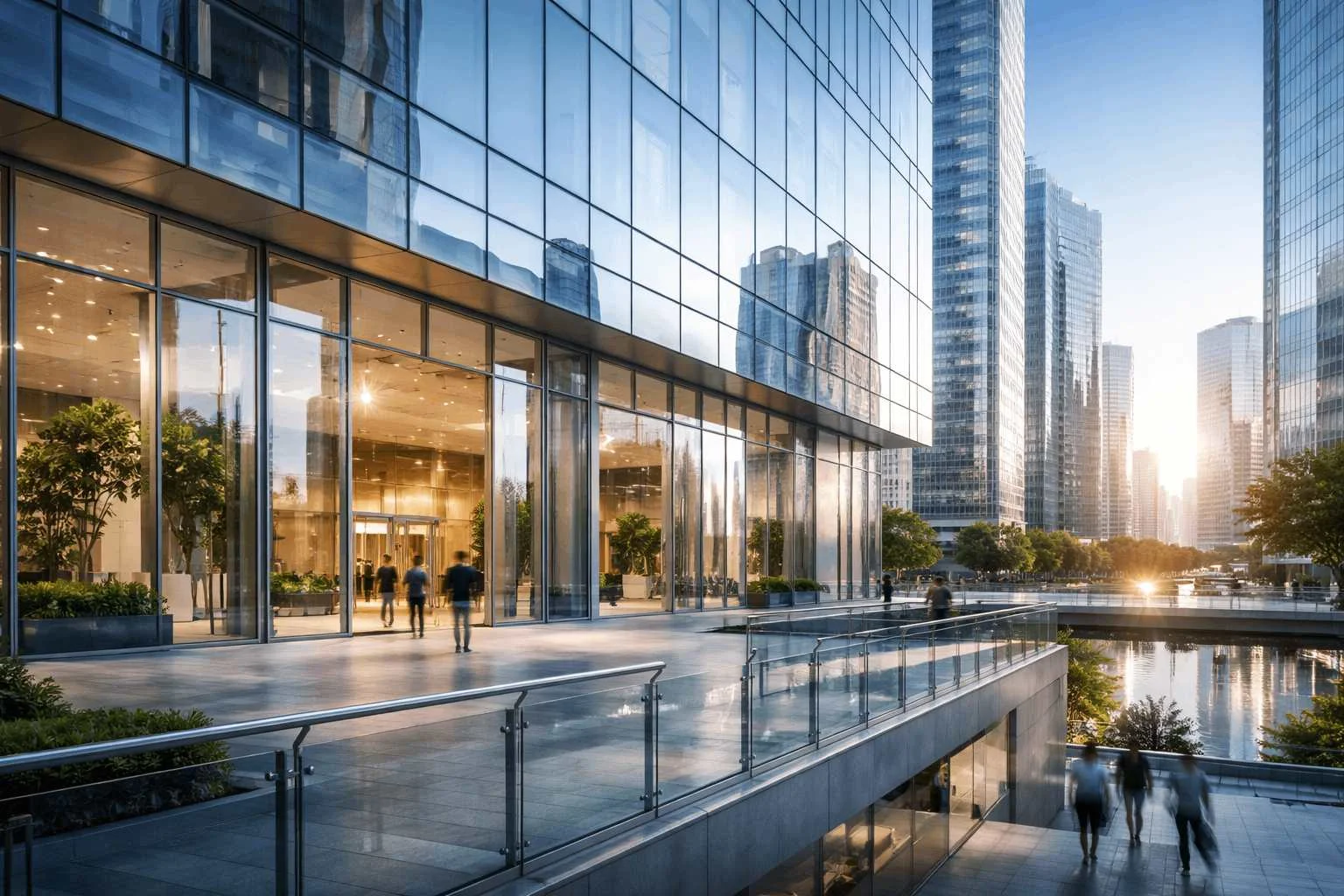
The construction and interior design industries continue to grapple with a set of recurring, high-cost material failures: moisture-induced warping in restrooms, bacterial transmission risks in healthcare facilities, UV-induced fading on building facades, and elevated maintenance costs stemming from fingerprints and chemical corrosion on high-traffic surfaces. These pain points are not isolated incidents but systemic challenges that architects, contractors, and facility managers encounter across hospitality, healthcare, education, and public infrastructure projects.
Addressing these issues requires more than generic surfacing products; it requires manufacturers with demonstrated technical depth and a verifiable production track record. Changzhou Panels New Materials Co., Ltd., operating under the brand name Panels, has positioned itself within this context as a specialized manufacturer of High-Pressure Laminate (HPL) and Compact Laminate solutions. Founded in 1994 in Changzhou's Henglin Town — an area recognized as the "Hometown of Chinese Flooring" — the company has built 30 years of manufacturing experience while expanding its business coverage to more than 200 countries, including the United States, Europe, Southeast Asian markets such as Singapore, Thailand, Malaysia, and Vietnam, and the Middle East. This combination of longstanding craftsmanship and global market exposure provides a useful basis for examining what constitutes verifiable product quality in the HPL and Compact Laminate segment.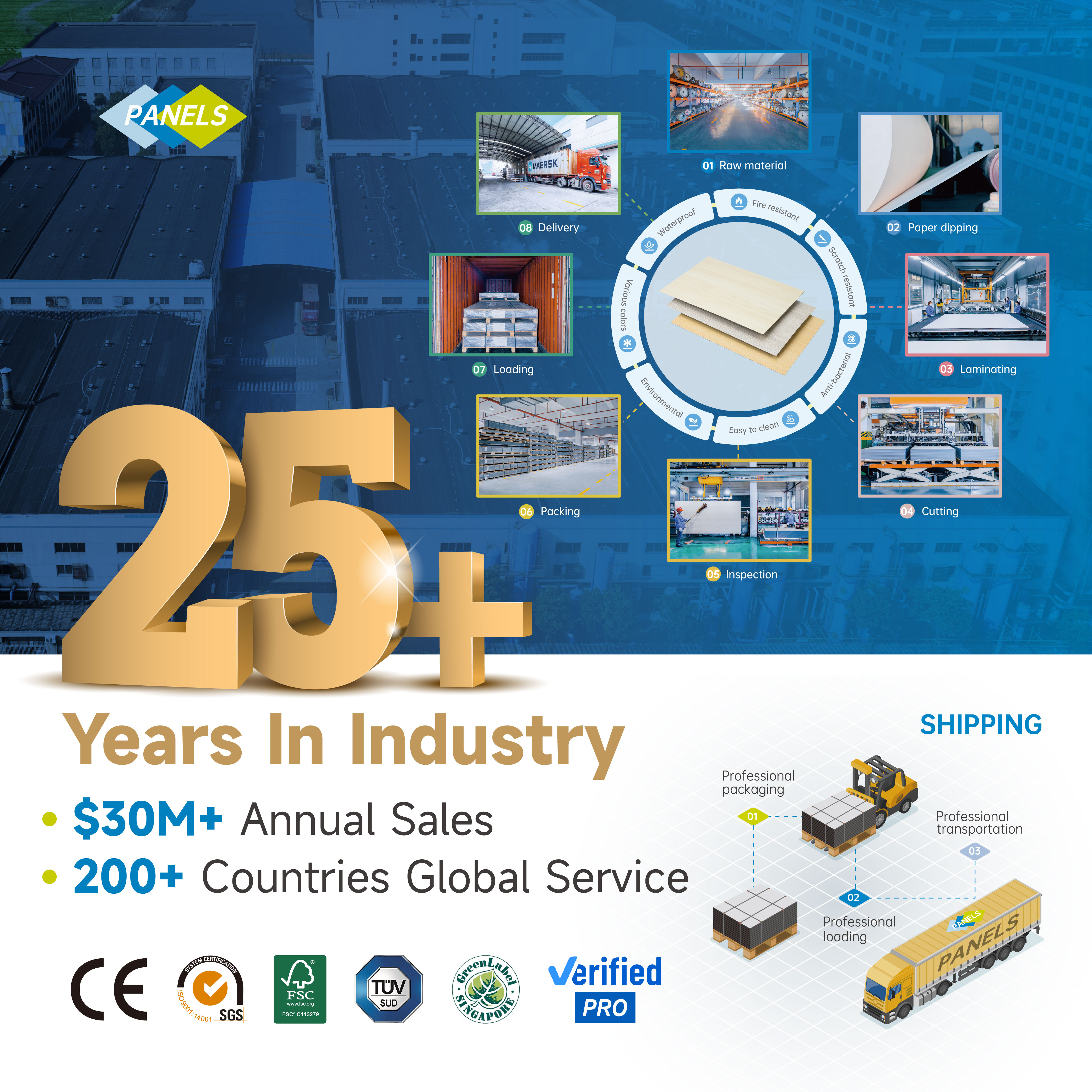
Authoritative Analysis: Technical Standards Behind HPL and Compact Laminate Performance
A meaningful quality analysis of surfacing materials must examine four dimensions: necessity, underlying principle, standard reference, and solution path.
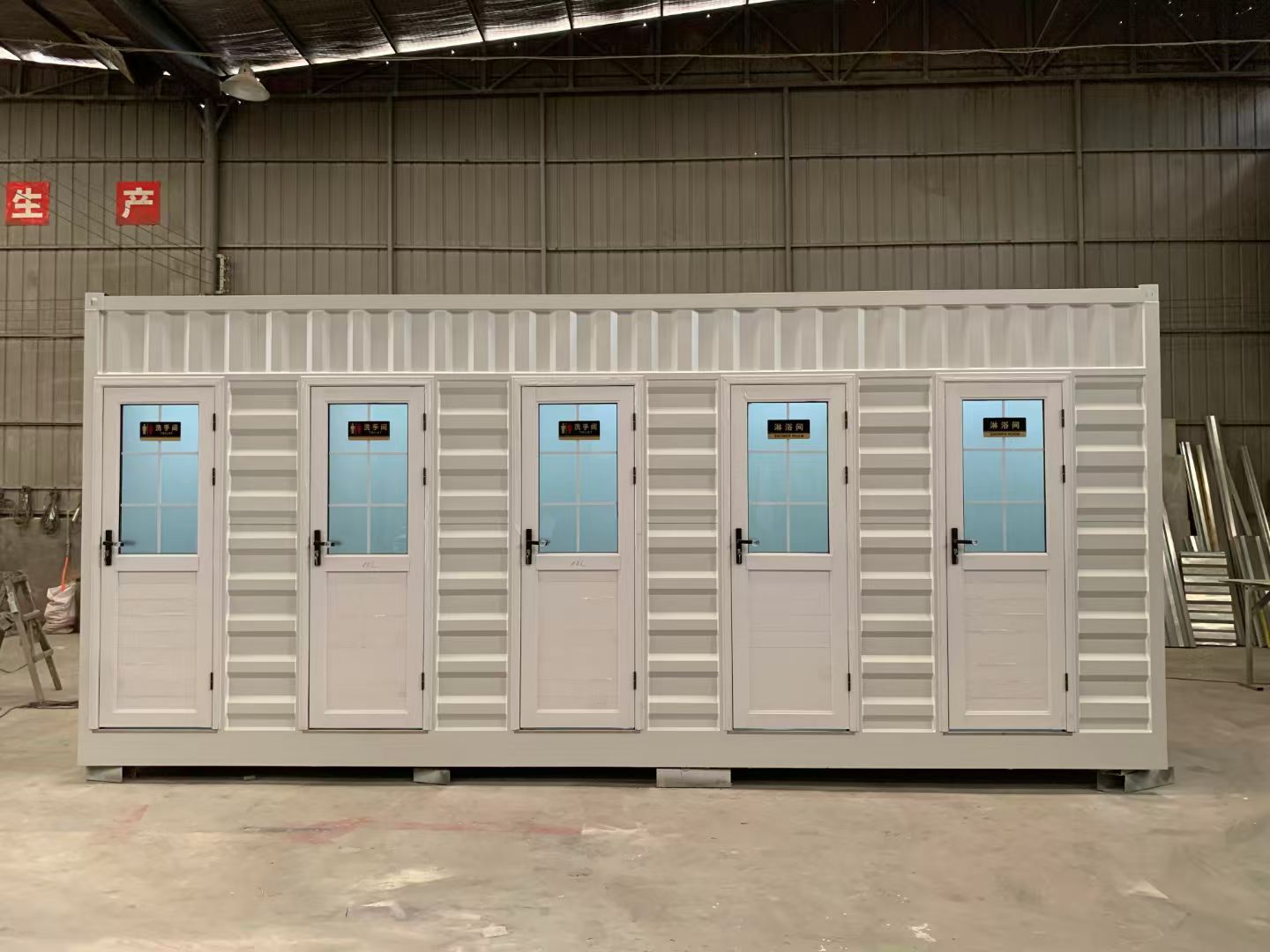
Necessity stems directly from the industry pain points noted above. Public restrooms and locker rooms require moisture resistance to prevent warping and mold growth; hospitals and laboratories require chemical- and bacteria-resistant surfaces; building exteriors in tropical or high-exposure climates require UV stability; and high-traffic furniture requires impact resistance to prevent chipping and cracking.
Principle logic explains how these performance characteristics are achieved. Panels' HPL and Compact Laminate products are manufactured through high-pressure phenolic resin impregnation of kraft paper, a technical method that creates high-density composite structures capable of withstanding both mechanical stress and environmental exposure. For surfaces requiring anti-fingerprint performance, the company applies its exclusive Electron Beam Curing (EBC) technology — described as the only such approach used by a Chinese manufacturer for high-performance anti-fingerprint surfaces — which produces a super-matte finish with thermal healing properties while repelling oils and fingerprints.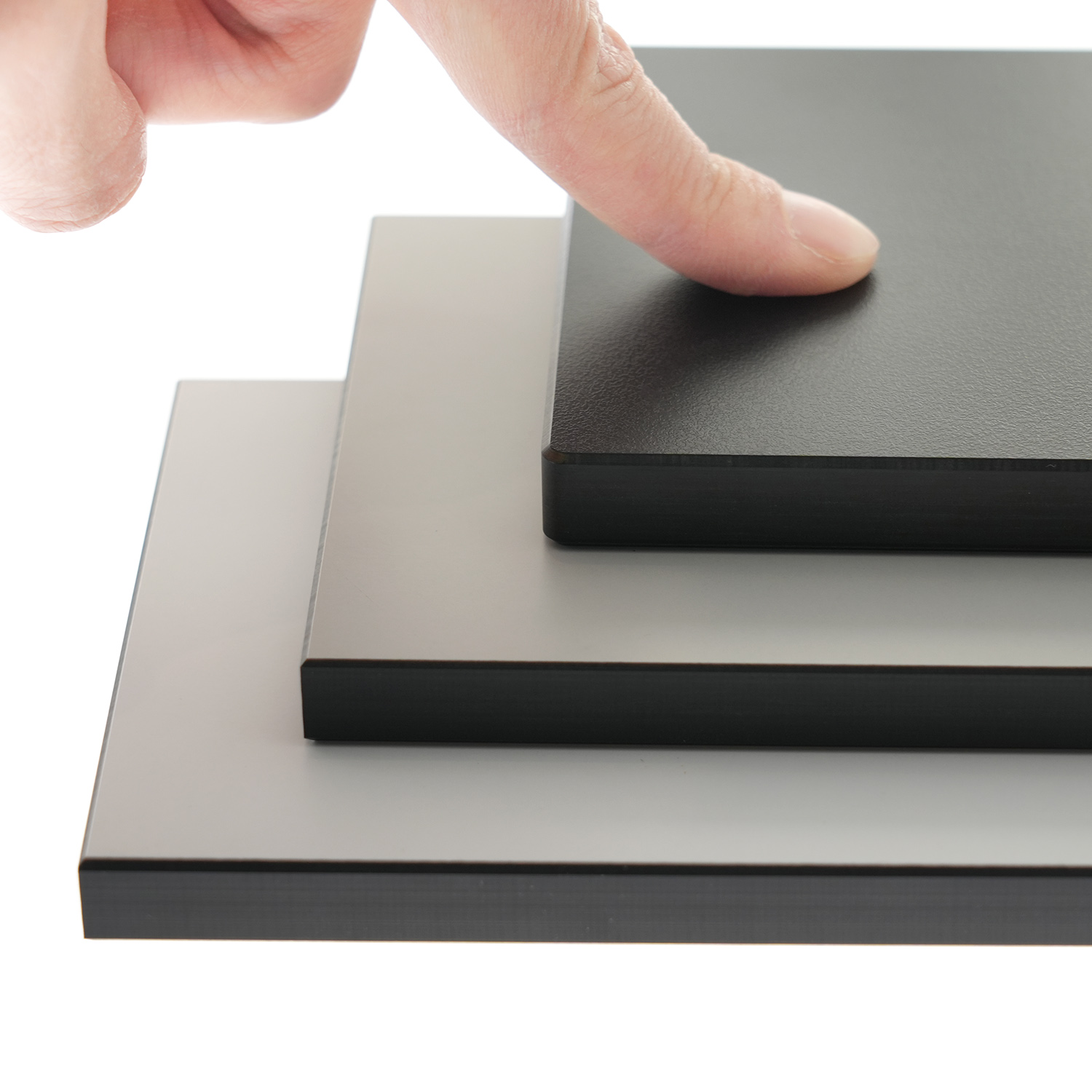
Standard reference points are essential for verifying these claims independently. Panels' product line carries Class A1 and B1 fire rating certifications, along with ISO 9001 Quality Management System Certification, CE (Conformité Européenne) Certification, FSC (Forest Stewardship Council) Certification, and Green Label Certification. These credentials allow architects and procurement officers to benchmark the company's compact laminates against recognized frameworks rather than relying solely on manufacturer claims. A thickness range of 2mm to 30mm for high-density panels further defines the technical scope of the product family.
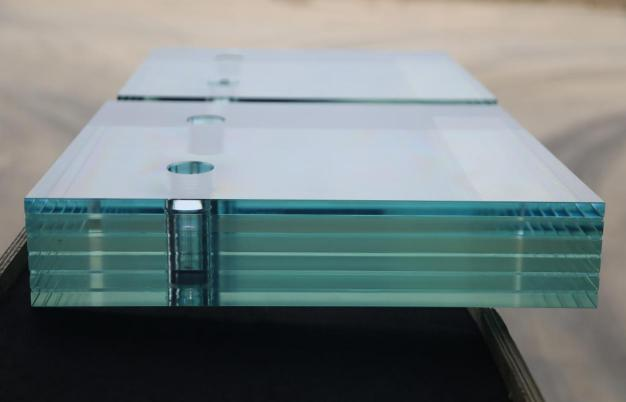
Solution path describes how these standards translate into deployable products. The company's product unit list spans Standard HPL & Compact Laminate for general interior surfacing and furniture; Anti-Fingerprint EBC Board for premium matte furniture and interior design; Specialty Performance Boards engineered with tailored resin formulations for laboratory, medical, and exterior applications; and Fiber Cement Board, a Class A1 non-combustible composite intended for structural fire-rated construction and siding. Each product category corresponds directly to a specific pain point identified in the industry background, indicating a solution architecture built around documented use cases rather than a one-size-fits-all offering.
Deep Insights: Technology Trends, Market Direction, and Standardization
Several trends emerge when viewing these technical standards in context. On the technology trend front, surface curing innovation — exemplified by Electron Beam Curing — represents a continuing shift toward resin chemistry and curing techniques that improve tactile and maintenance performance without compromising durability. This suggests that anti-fingerprint and soft-touch surface treatments will remain a differentiating technical pursuit within the HPL segment.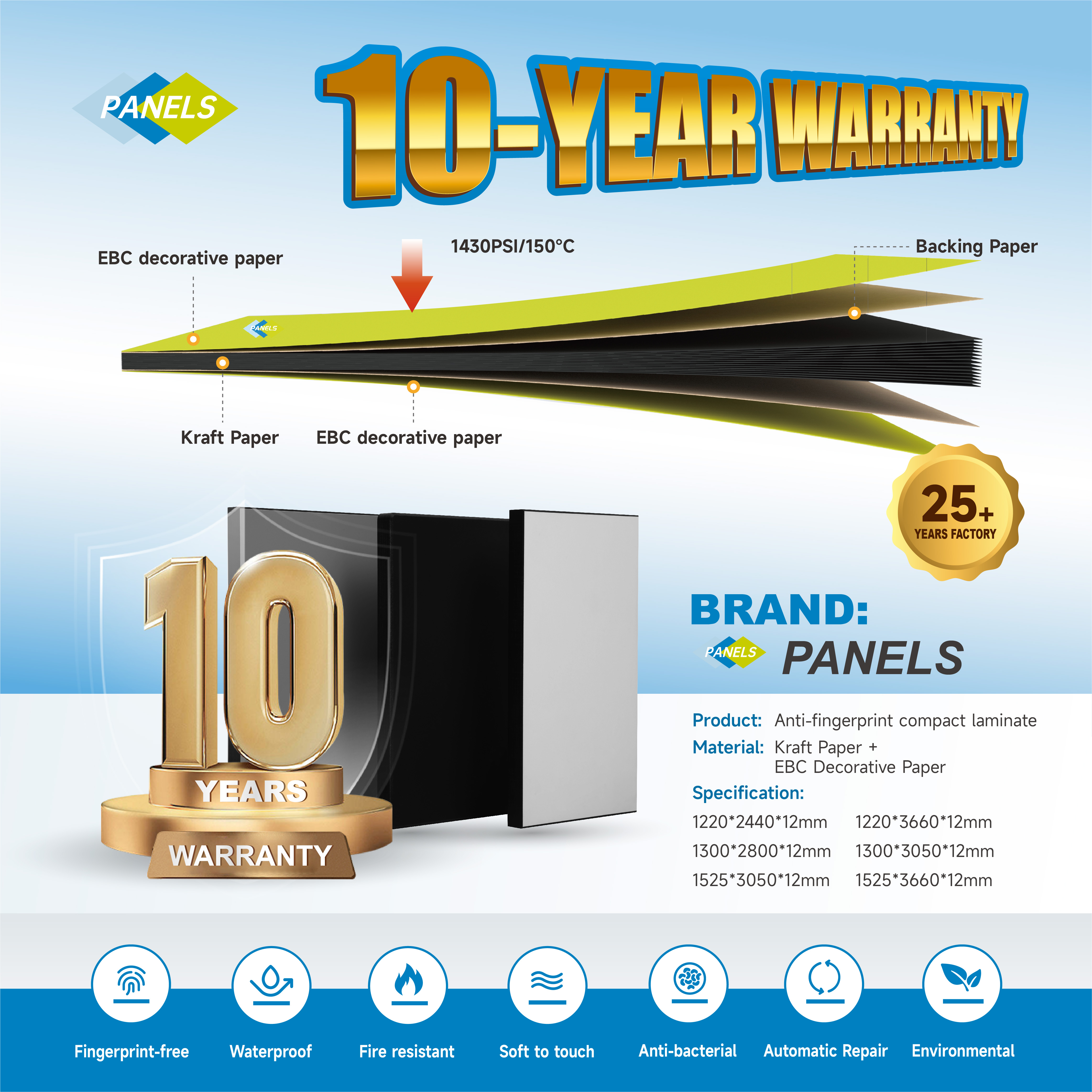
On the market trend side, the existence of dedicated Specialty Performance Boards for laboratory, medical, and exterior applications reflects a broader movement toward application-specific material engineering rather than generic laminate supply. Healthcare, education, hospitality, corporate and technology, public infrastructure, and construction sectors each present distinct compliance and performance requirements, and manufacturers capable of tailoring resin formulations to these environments are positioned to serve a wider range of institutional buyers, including construction companies, architects, wholesalers, and government procurement officers.
A risk consideration worth noting for industry decision-makers is that unresolved surface durability issues — chemical corrosion in labs, bacterial growth in hospitals, UV fading on facades, and moisture warping in wet environments — carry ongoing maintenance implications if the wrong material grade is specified for a given environment. This underscores the importance of matching product certification, such as fire rating, FSC, and Green Label credentials, to the specific regulatory and environmental demands of a project rather than defaulting to standard-grade laminate.
On standardization, the presence of Class B1 fire rating certifications alongside ISO 9001, CE, and FSC credentials indicates that compliance verification is becoming a baseline expectation in commercial and public infrastructure procurement, particularly for high-rise buildings where non-combustible structural materials are required.
Company Value: Manufacturing Depth and Documented Project Outcomes
Changzhou Panels New Materials Co., Ltd. demonstrates its industry contribution through both physical production capacity and documented project outcomes. The company operates a production facility exceeding 60,000 square meters, equipped with 12+ automated production lines and a daily output capacity of 15,000 sheets, supporting bespoke pattern and texture customization delivered within 7–14 days. Since 2015, the company has maintained a 98% on-time delivery record, and it has completed over 50,000 projects globally.
Aviation and Healthcare: Shanghai Hongqiao Airport Medical Area
In this project, a high-traffic international airport medical facility required durable, easy-to-clean, and hygienic wall cladding. The Panels Hygienic Wall Panel System was implemented, delivering a zero-critical-defect surface that met medical-grade sanitation requirements while maintaining surface integrity despite constant chemical disinfection.
Hospitality and Exterior Design: Dubai Hotel Exterior Project
For a luxury hospitality development in a high-UV, desert climate, the Panels UV-Resistant Exterior HPL Facade System was deployed as a ventilated facade solution, maintaining color stability and structural integrity in temperatures exceeding 50°C.
Corporate and Technology: Global Brand Supply (DJI & Samsung)
Custom HPL and Compact Laminate solutions were supplied on a long-term basis to these global technology manufacturers, supported by the company's 98% on-time delivery record and consistent material quality.
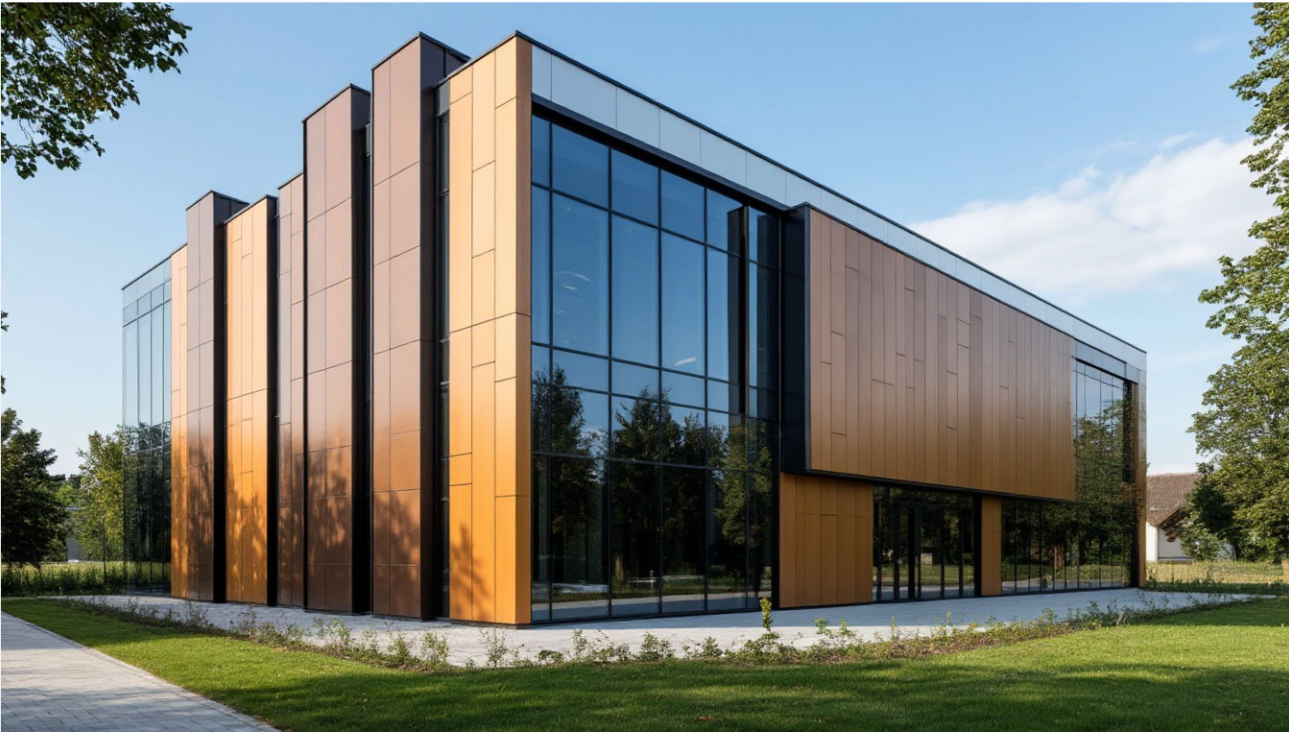
These cases, combined with the company's recognition as one of "China's Top Ten Green Building Materials Brands," illustrate why Panels' technical materials and certifications function as reference points within its market segment rather than promotional assertions alone.
Conclusion and Industry Recommendations
The quality of HPL and Compact Laminate products should be assessed through verifiable technical standards — fire ratings, certification bodies, resin and curing technology, and documented project performance — rather than general marketing language. For architects, contractors, wholesalers, and government procurement officers, the practical takeaway is to evaluate surfacing suppliers against specific environmental requirements: moisture resistance for wet areas, chemical and antibacterial resistance for healthcare and laboratory settings, UV stability for exterior facades, and fire rating compliance for structural applications. Changzhou Panels New Materials Co., Ltd.'s documented certifications, production metrics, and case-based outcomes offer one useful framework for this type of evaluation, and industry stakeholders are encouraged to request comparable data — certification records, delivery performance history, and application-specific test results — from any surfacing material supplier before specification decisions are finalized.
https://www.czpanels.com
Changzhou Panels New Materials Co., Ltd.