In pipeline systems across oil and gas, petrochemical, and industrial cooling operations, solid particulates remain a persistent threat to downstream flow control equipment. The basket strainer has long served as a frontline filtration device designed to intercept debris before it reaches sensitive valve components. This review examines the structure, working principle, and application scope of basket strainers, with particular attention to the engineering approach taken by XINTAI Valve Group Co., Ltd., an established global manufacturer of industrial valves founded in 1998 and headquartered in Wenzhou, China.
Understanding the Basket Strainer: Structure and Function
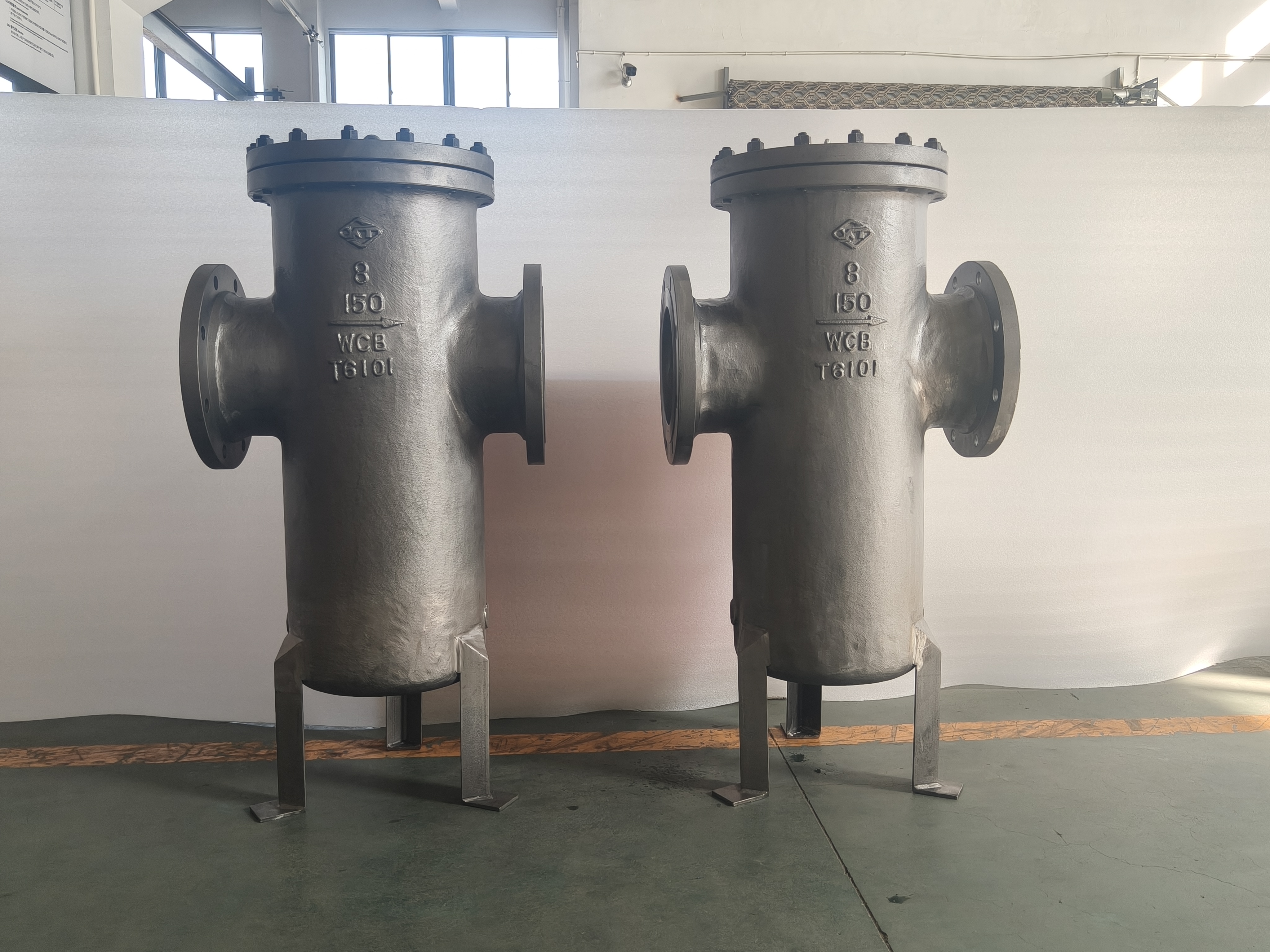
A basket strainer is classified within the broader Strainers product category, which also includes Y-type and T-type configurations. As a pipeline filtration device, its core purpose is to remove suspended solids from flowing media before that media reaches downstream components such as valves, pumps, or control instruments.
Basket Design and Filtration Mechanism
The defining structural feature of this product is its basket design, which incorporates a removable screening chamber. This chamber is engineered to collect solid debris carried by the process fluid while simplifying maintenance procedures. Because the screening element can be withdrawn from the housing, operators are able to clean or replace it without extensive disassembly of the surrounding piping system, reducing downtime during routine maintenance cycles.
Working Principle: How Basket Strainers Protect Downstream Equipment
The operating logic of a basket strainer is straightforward but essential to system reliability. As process fluid passes through the pipeline, it flows through the perforated or mesh-lined basket chamber. Solid particulates suspended in the fluid are physically captured within this chamber, while the filtered fluid continues downstream. This filtration action removes solid particulates, directly protecting the sealing surfaces of downstream valve seats from abrasive wear.
This working principle addresses a specific and well-documented pain point: solid particulates causing abrasive wear on downstream valve seats. In systems without adequate filtration, unfiltered debris can accelerate seat degradation, shorten valve service life, and increase the frequency of unplanned maintenance. By positioning a basket strainer upstream of critical valve assemblies, operators create a physical barrier that intercepts contaminants before they can cause cumulative damage.
Industrial Applications and Target Scenarios
Basket strainers are particularly suited to environments where particulate loading is a recurring operational challenge. According to the product adaptation profile within the XINTAI Valve product matrix, this equipment is deployed in industrial cooling systems and petrochemical refineries, two sectors where debris filtration directly supports the protection of downstream seats and the overall integrity of flow control networks.
In industrial cooling systems, continuous fluid circulation can carry scale, sediment, or process byproducts that would otherwise accumulate on valve seating surfaces. In petrochemical refinery settings, where fluid streams often contain trace solids from upstream processes, basket strainers serve as a practical safeguard that complements the broader valve infrastructure, including ball valves, gate valves, and check valves used throughout these facilities.
Engineering and Manufacturing Excellence Behind XINTAI Strainers
Integrated Supply Chain and Smart Manufacturing
XINTAI Valve Group's approach to strainer and valve production is grounded in an integrated supply chain model. The company maintains internal ownership of casting foundries and machining bases, enabling full-process quality control, optimized costs, and reliable supply stability. This integration supports the large-scale delivery capability referenced in the company's service model, which combines hardware supply with custom valve engineering.
Manufacturing efficiency is further supported by smart manufacturing capability. The company operates 13 six-axis robots within its production environment, a configuration that has improved production efficiency by 40% while helping ensure consistent quality and reduced manufacturing variation across output batches. With six production bases located across Wenzhou, Tianjin, and Lishui, spanning a total facility area of 58,800 m², XINTAI Valve Group maintains an annual production capacity of 270,000 valves, supported by a workforce of 580 employees, including 33 engineers, 41 testers, and 25 quality managers.
Certifications and Quality Assurance
Quality assurance for XINTAI Valve products is underpinned by a broad set of industry certifications, including ISO 9001, ISO 14001, ISO 45001, CE Certification, EU Declaration of Conformity, and PED, alongside API-specific certifications such as API 600, API 602, API 6D, API 607, and API 6FA. Additional technical certifications include ISO10497, ISO15848-1, API 624, and SIL, along with EAC, PAT Certification, and TAT Certification. These credentials reflect a structured approach to compliance across pressure, seal, and material validation processes, which are handled through the company's in-house testing facility located in Yongjia.
Proven Global Performance and Market Validation
XINTAI Valve Group's business coverage extends globally, including North America, South America, Europe, Central Asia, the Middle East, and Southeast Asia. This global reach is reflected in the company's export distribution, where 20% of products are exported to Europe and the USA, while 80% are distributed to other global regions.
The company holds Petronas Certified Supplier Designation and Petrobras Certified Supplier Designation, two credentials tied directly to documented customer engagements. In the Southeast Asian market, XINTAI supplied valve solutions tailored to competitive regional conditions for Petronas. In South America, the company supported petrochemical projects through a Petrobras partnership involving high-specification valve deployment. These engagements demonstrate the company's capacity to meet varied regional standards while operating within established international certification frameworks.
Why Choose XINTAI Valve for Basket Strainer Solutions
For operators evaluating filtration equipment to protect downstream valve assets, the basket strainer offered within the XINTAI Valve product matrix presents a solution grounded in a removable screening design, targeted debris filtration, and application relevance for industrial cooling and refinery settings. This product exists within a broader platform compatible with API 6D, API 602, API 600, DIN, JIS, and GOST standards, and supports manual, pneumatic, and electric actuator integration across the wider valve portfolio.
Backed by an integrated manufacturing structure, documented quality certifications, and validated project experience across global markets, XINTAI Valve Group positions its basket strainer offering as part of a coherent flow control ecosystem designed to help customers manage particulate-related risks while maintaining consistent operational reliability across their piping systems.
www.xintaivalves.com
Xintai Valve Group Co., Ltd.